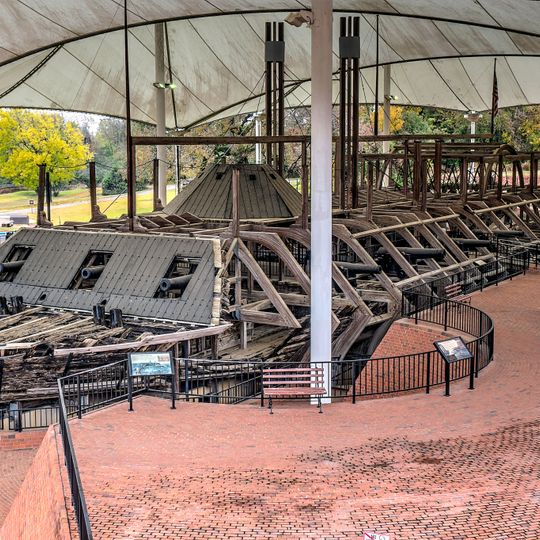
USS Cairo, Civil War museum ship in Vicksburg, United States
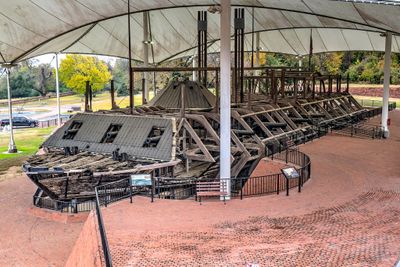
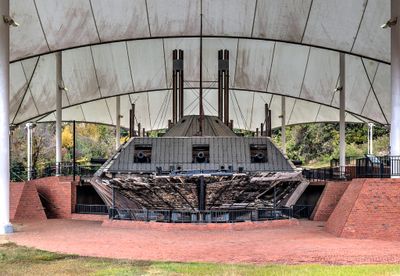
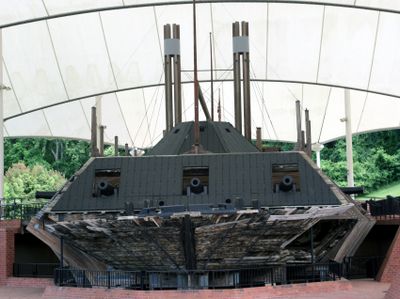
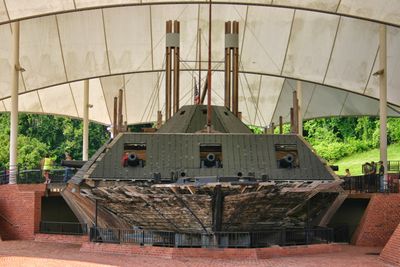
USS Cairo is a City-class casemate ironclad, its hull cut into three sections and partly rebuilt on a concrete foundation. The lower hull shows charred, broken white-oak planks and heavy framing; above sits a sloped casemate of weathered grey panels pierced by gun ports, two holding dark cannon barrels. A pointed iron ram projects at the bow, and a white tension-fabric canopy covers the hulk.
Built by James Eads and Co. at Mound City, Illinois, in 1861, Cairo was the lead ship of the City-class casemate ironclads and served in the Union Army's Western Gunboat Flotilla before transfer to the Navy on 1 October 1862. On 12 December 1862, while clearing mines ahead of the attack on Haines Bluff, she struck a torpedo detonated by volunteers on the river bank and sank in 12 minutes with no casualties, the first ship sunk by a remotely detonated mine.
The vessel reflects how Civil War naval service brought together people from different backgrounds who lived and worked in tight quarters aboard ship. Personal items on display show how crew members spent their time and expressed themselves during their service.
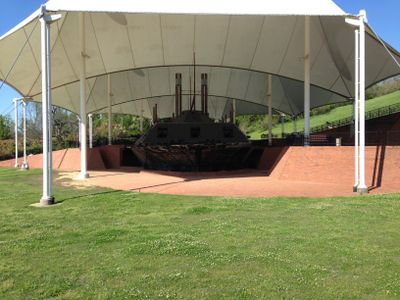
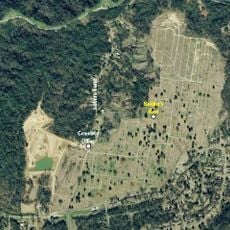
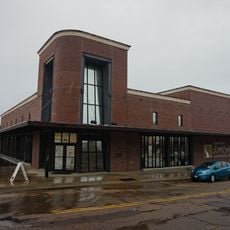
The USS Cairo is displayed under a tension-fabric shelter near Vicksburg National Cemetery, with a separate roofed building holding the artifact museum. The gunboat is a stabilized hull section on a concrete foundation, not a walkable ship, so there are no decks or stairs to climb. The circular battlefield tour route reaches the site by road.
River mud that covered the vessel preserved everyday items belonging to the crew from the 1860s, including playing cards, clothing, and cooking utensils. These finds offer a rare look into the personal lives of sailors who served aboard.
The community of curious travelers
AroundUs brings together thousands of curated places, local tips, and hidden gems, enriched daily by 94,361 contributors worldwide.