Magnolia Cemetery, cemetery in Mobile, Alabama
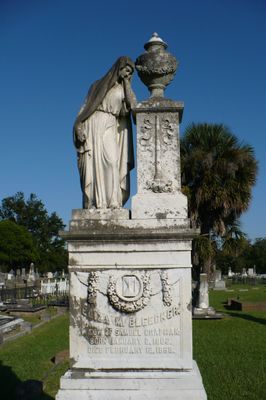
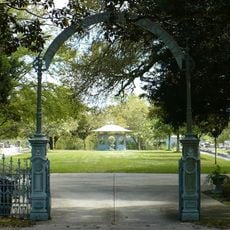
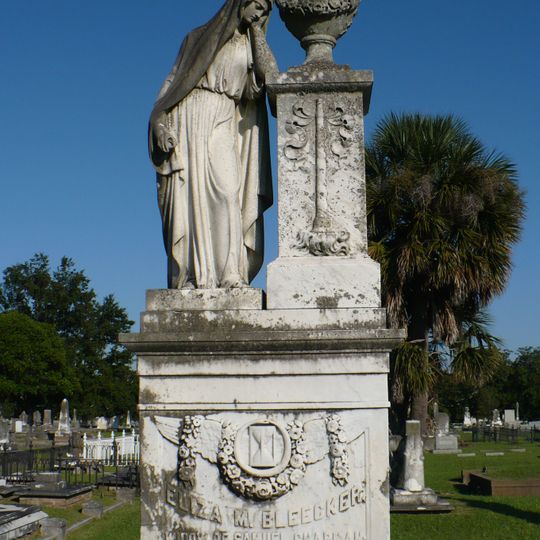
Magnolia Cemetery is a historic cemetery in Mobile, Alabama, spanning more than 100 acres (40 ha) and containing over 80,000 burials. Its grounds hold Victorian-era monuments, including the Eliza M. Bleecker memorial: a white marble draped female statue on a tall pedestal, beside a pillar topped by a carved urn and a base with a winged wreath.
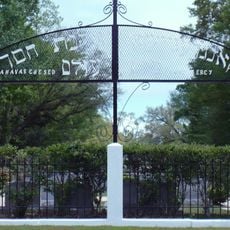
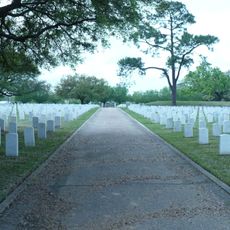
Magnolia Cemetery opened in 1836 as Mobile's New Burial Ground on 36 acres outside the city limits. The Jewish Rest section was deeded to Congregation Sha'arai Shomayim on June 22, 1841. Confederate Rest was added on November 25, 1861, and the Mobile National Cemetery annex was established on May 11, 1866. The cemetery was renamed Magnolia Cemetery on January 15, 1867.
The cemetery's name reflects the magnolia trees that grow throughout the grounds. The different sections for veterans, Jewish congregations, and fraternal organizations show how the community valued burial together, with each group marking their graves distinctly.
The cemetery is now centrally located and easy to reach, even though it was originally on the edge of the city. Visitors should plan for a leisurely walk across the large grounds or consider taking a guided tour to learn about the stories and sections.
The Pomeroy family mausoleum is one of only two cast-iron-over-brick mausoleums in the cemetery. The Confederate Rest section holds 1,100 war dead and an obelisk commemorating the men lost on the submarine H.L. Hunley. The LeBlanc memorial, two putti leaning over a stone marker for sisters who died in infancy, is among the most photographed markers.
The community of curious travelers
AroundUs brings together thousands of curated places, local tips, and hidden gems, enriched daily by 92,952 contributors worldwide.