Faunsdale Plantation, Greek Revival plantation in Marengo County, United States
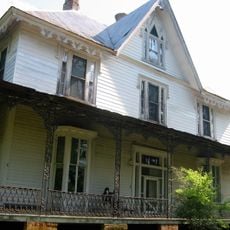
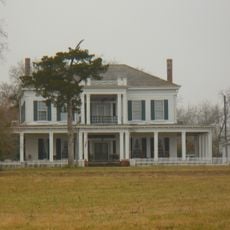
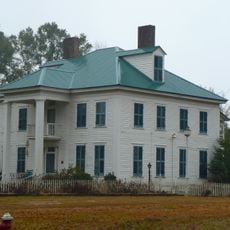
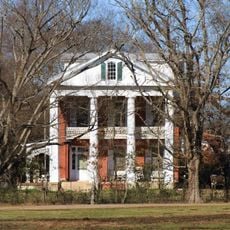
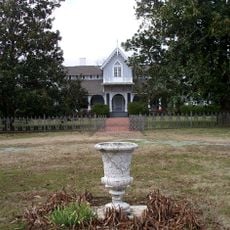
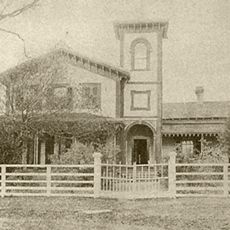
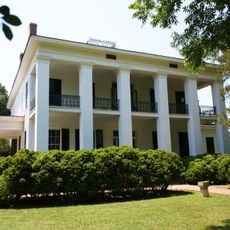
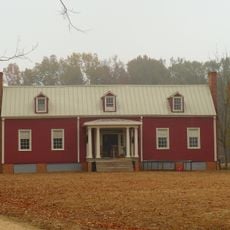
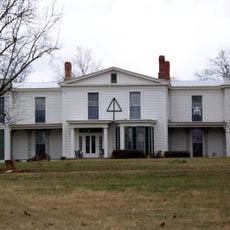
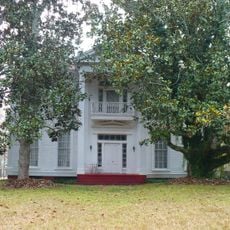
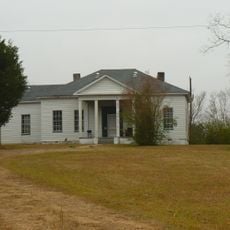
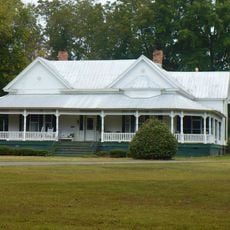
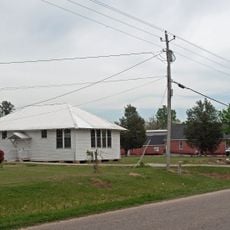
Faunsdale Plantation is a two-story wood-frame house in the Greek Revival style, with a gabled roof and one-story gabled wings on each side. Nearby stand one-room slave cabins built in 1860, also wood-frame, with high-pitched gables and scalloped barge boards showing Carpenter Gothic influence.
A physician named Thomas Harrison established the plantation in 1843 and brought enslaved people from Virginia to grow cotton in the fertile Black Belt region. The estate was shaped from its beginning by the labor system that drove agriculture of that era.
The plantation records document the lives of 186 enslaved individuals by 1864, preserving detailed information about 35 families and their surnames.
The plantation lies near the town of Faunsdale in Marengo County, within Alabama's Black Belt. The main house and the 1860 one-room slave cabins stand close together, so both can be seen on foot in one visit. The property is private working land; arrange access before travelling, as there is no public visitor programme described.
Faunsdale is one of the few large Alabama plantations whose detailed records of enslaved families survive, listing surnames such as Barron, Iredell, Newbern and Washington. A 1 January 1864 list names 186 people, likely at least 35 families; by the end of that year 14 had died of infectious disease, from typhoid fever to measles.
The community of curious travelers
AroundUs brings together thousands of curated places, local tips, and hidden gems, enriched daily by 94,636 contributors worldwide.