Magnolia Hall, Greek Revival residence in Greensboro, Alabama
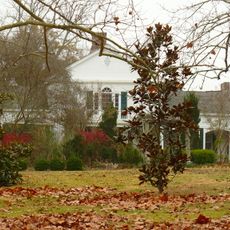
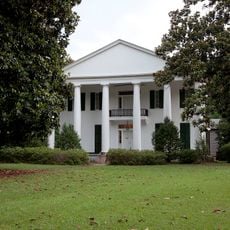
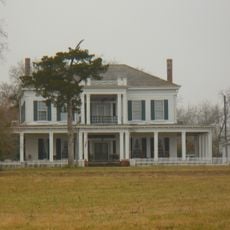
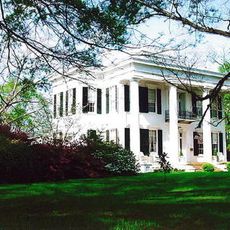
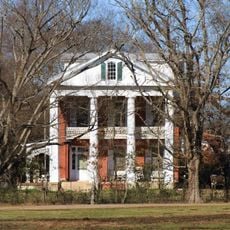
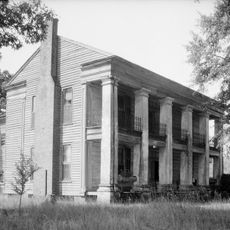
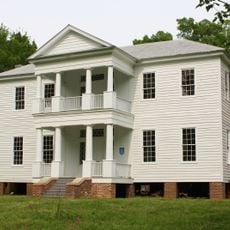
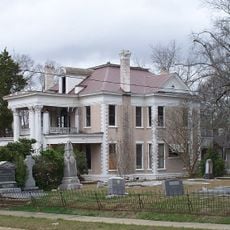
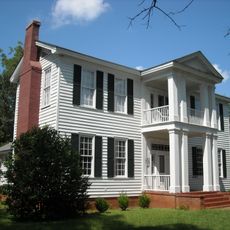
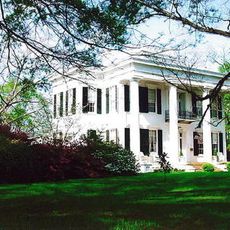
Magnolia Hall is a residence in Greensboro displaying symmetrical columns, detailed moldings, and grand porticos. These features exemplify the architectural principles of nineteenth-century Greek Revival design.
Magnolia Hall was completed in 1858 for cotton broker and planter David F. McCrary, who had lawyer and legislator William Murphy's house moved off the lot and hired Massachusetts-born architect B.F. Parsons to design the mansion. The Alabama Beacon reported its cost at $10,000. McCrary's finances survived the Civil War, and he opened the Greensboro Bank and Exchange in 1871.
The house reflects an architectural style that used classical Greek elements to express democratic ideals. This design approach was part of a broader movement emphasizing education and civic values.
Magnolia Hall is a private residence and not open for tours; the sources record no visiting arrangements. Visitors can see the house from the street in Greensboro's historic district, where it is a contributing property. The building was recorded by the Historic American Buildings Survey in March 1936, and that documentation is the practical way to study its porticoes and floor plan.
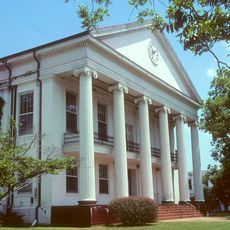
A twelve-page building contract for the house, found by McCrary descendant Dr. David Nelson, specifies six fluted Ionic columns on each of the north and south porticoes. Few such contracts for antebellum mansions survive, and this one also calls for double iron balconies and colored glass transoms.
The community of curious travelers
AroundUs brings together thousands of curated places, local tips, and hidden gems, enriched daily by 93,032 contributors worldwide.