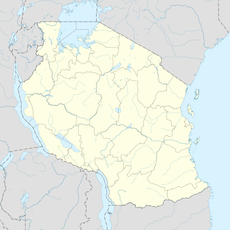
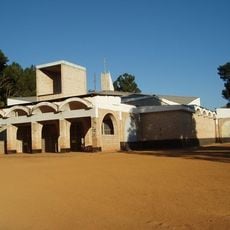
Ngualla, Stratovolcano near Ngwala Village, Tanzania
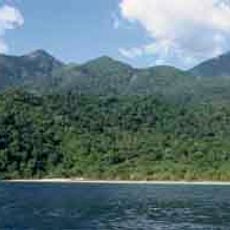
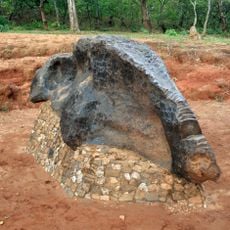
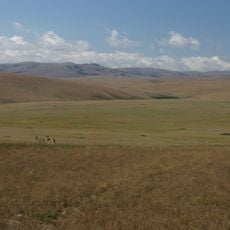
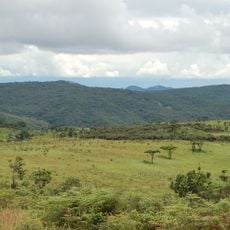
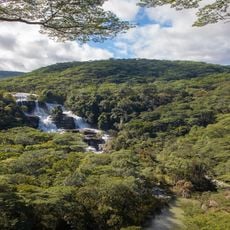
Ngualla is an extinct volcano in southwestern Tanzania featuring a collapsed structure with a plug-like carbonatite intrusion roughly 3 kilometers across. The formation displays a distinctive shape with minimal vegetation covering its surface.
This carbonatite formation originated roughly 1 billion years ago during the Proterozoic and experienced multiple phases of volcanic activity. This geological history offers insight into the early development of the Earth's crust.
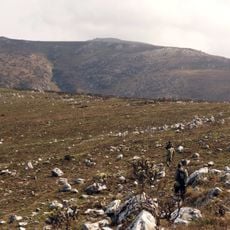
Local communities call this volcano Ngualla, which means 'bald head' in Swahili and refers to the sparse vegetation covering its slopes. The name reflects how residents perceive the exposed and open landscape.
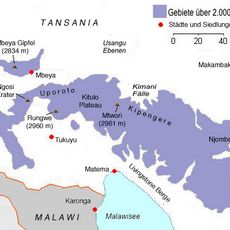
The site is roughly 150 kilometers from Mbeya and accessible by road, though routes in this region can be challenging to navigate. Visitors should prepare for variable weather conditions and the remote setting when exploring this volcano.
This volcano contains one of the world's largest neodymium praseodymium rare earth deposits with estimated reserves around 18.5 million tonnes. These rare mineral deposits make the location particularly interesting for geologists and mineral specialists.
The community of curious travelers
AroundUs brings together thousands of curated places, local tips, and hidden gems, enriched daily by 91,629 contributors worldwide.