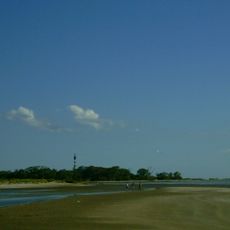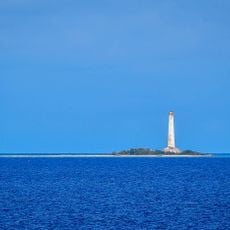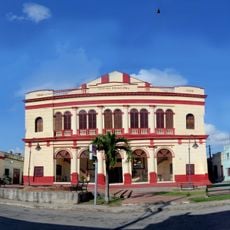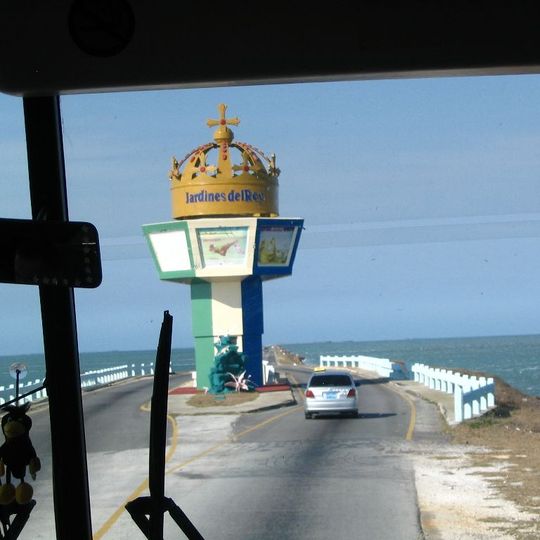
Jardines del Rey, Coral archipelago off northern Cuba.
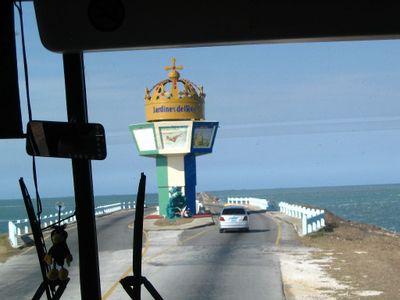
This archipelago stretches about 200 kilometers along Cuba's northern coast, made up of more than 2,500 small islands and cays spread between the Atlantic Ocean and Buena Vista Bay. The larger islands like Cayo Coco and Cayo Guillermo are connected to the mainland by a causeway and function mainly as resort destinations.
Spanish conquistadors named these islands in 1513 to honor King Ferdinand II, and by the 1550s they became havens for pirates operating in Caribbean waters. The region remained largely remote and sparsely settled until tourism began reshaping the islands in the late 1900s.
Spanish conquistadors named these islands in 1513 to honor King Ferdinand II, a choice that has remained part of local identity. Today, visitors and locals alike value the islands for their marine life and fishing heritage that still shape how people interact with the water.
A 27-kilometer (17 mi) causeway connects the mainland to the islands, and the airport on Cayo Coco provides the primary arrival point. The best visiting season falls between December and April when weather conditions are dry and warm.
The region holds Cuba's largest natural lagoon, Laguna de la Leche, whose waters turn white because of sodium carbonate deposits on the bottom. This unusual feature creates an otherworldly landscape that stands apart from typical Caribbean blue waters.
The community of curious travelers
AroundUs brings together thousands of curated places, local tips, and hidden gems, enriched daily by 90,862 contributors worldwide.