Chieftains Museum, Native American heritage museum in Rome, United States.
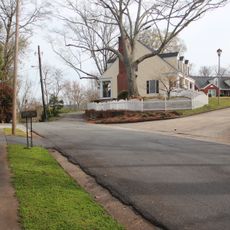
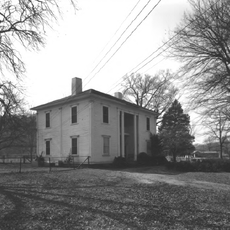
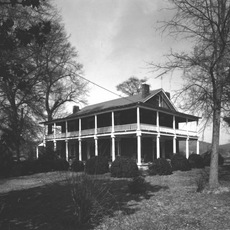
Chieftains Museum, also known as the Major Ridge Home, is a two-story white frame house built around an 1819 log house in Rome, Georgia. Major Ridge expanded the original dogtrot log cabin with side extensions and an enclosed central passage, creating the "Big House" of his 223-acre plantation that reached the Oostanaula River.
Major Ridge moved into the log house around 1819 and enlarged it over the following years into the two-story frame house. He led the Treaty Party, the minority that signed the 1835 Treaty of New Echota ceding the remaining Cherokee lands east of the Mississippi for $5 million and land in Indian Territory. After the forced removal, Ridge and other Treaty Party members were killed in 1839 for having ceded communal land.
The museum presents artifacts and stories about the Ridge family, a prominent Cherokee household of the 1800s who shaped community life in this region. Their possessions and living spaces reflect how daily traditions and family bonds were woven into this place.
The house stands at 501 Riverside Parkway in Rome, Georgia, and the eight-acre strip along the Oostanaula River is now part of Riverside Park. The building is a historic house museum, so visitors should check opening times before travelling. The grounds by the river can be walked, and the site is a stop on the Cherokee Trail of Tears National Historic Trail.
The house was designated a National Historic Landmark on November 7, 1973, the same day as the John Ross House in Rossville, the home of Ridge's political rival. The two designations mark both sides of the Cherokee removal dispute.
The community of curious travelers
AroundUs brings together thousands of curated places, local tips, and hidden gems, enriched daily by 92,777 contributors worldwide.