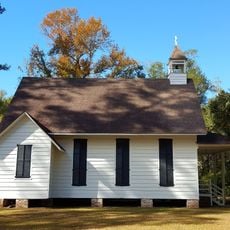
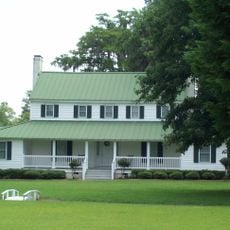
Waccamaw National Wildlife Refuge, National Wildlife Refuge in Georgetown County, South Carolina.
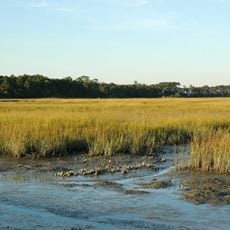
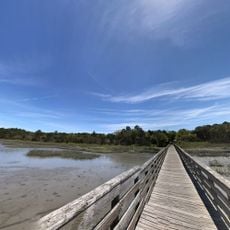
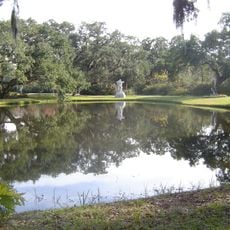
Waccamaw National Wildlife Refuge is a large protected area that spreads across multiple counties with wetlands, river corridors, and forests. The landscape is shaped by the meeting of rivers and tidal freshwater systems that create distinct ecological zones.
Waccamaw National Wildlife Refuge was established in 1997, making it a recent addition to the National Wildlife Refuge system. It was founded to protect undeveloped coastal wetland and adjacent uplands across parts of Georgetown, Horry and Marion counties, where the Pee Dee, Little Pee Dee and Waccamaw rivers meet. The refuge now covers 22,931 acres, with plans to exceed 50,000 acres.
The refuge's name comes from the Waccamaw River, one of three rivers—with the Pee Dee and Little Pee Dee—that meet near its lands. The Waccamaw people lived along this river before European settlement. Today the refuge is managed for environmental education and interpretation as well as for hunting, fishing and other outdoor recreation, so visitors encounter the landscape through these organised activities.
The visitor center sits just north of Georgetown on U.S. Route 701, in the Yauhannah community, overlooking the Great Pee Dee River. It is the orientation point for the refuge, whose 22,931 acres span Georgetown, Horry and Marion counties. Access to much of the property is by boat along the Pee Dee, Little Pee Dee and Waccamaw rivers.
The refuge was established in 1997 and covers 22,931 acres, with plans to exceed 50,000 acres. Sandy Island's longleaf pine forest shelters the endangered red-cockaded woodpecker, and swallow-tailed kites and bald eagles nest in the refuge. The visitor center at Yauhannah overlooks the Great Pee Dee River.
The community of curious travelers
AroundUs brings together thousands of curated places, local tips, and hidden gems, enriched daily by 93,896 contributors worldwide.