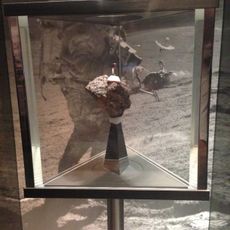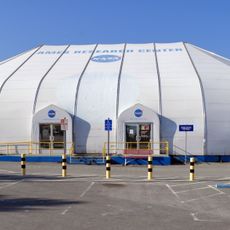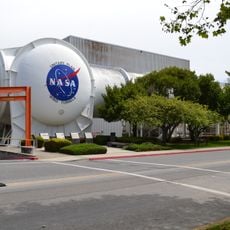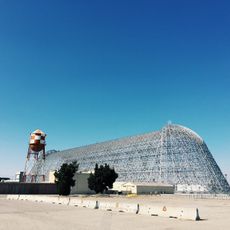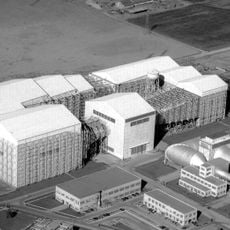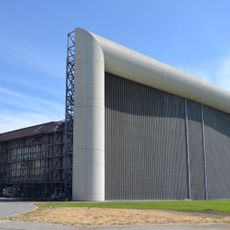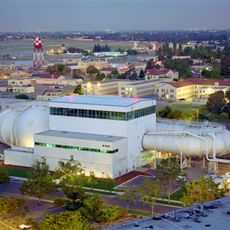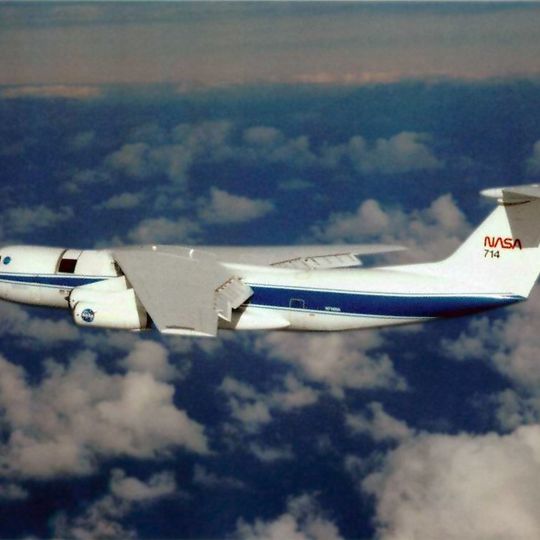
Kuiper Airborne Observatory, Airborne observatory at Moffett Field, California, US
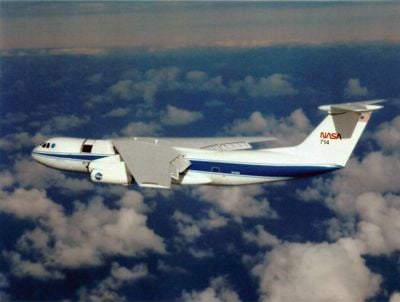
The Kuiper Airborne Observatory was a modified C-141A Starlifter aircraft that carried a 36-inch Cassegrain reflector telescope for astronomical research at high altitudes. The aircraft flew at about 41,000 feet, allowing observations above the water vapor layer in the atmosphere that normally blocks infrared radiation.
The observatory flew from 1974 to 1995 and completed 1,417 research flights after its predecessor, the Galileo Observatory, was lost in a 1973 collision. These two decades of intensive missions made it one of NASA's most successful airborne research platforms.
The observatory helped astronomers discover the rings of Uranus and confirm the presence of Pluto's atmosphere. These findings changed how scientists understood the outer planets in our solar system.
Flight operations took place mainly from Moffett Field in California, though missions were also conducted from other locations such as Australia and Japan. Visitors should know that the aircraft no longer flies and is now displayed in museums, offering a good way to explore this historic research platform.
The aircraft was named after one of history's most influential astronomers, honoring the scientific tradition that the mission built upon. This naming heritage connects the work of the observatory to pioneers of modern astronomy.
The community of curious travelers
AroundUs brings together thousands of curated places, local tips, and hidden gems, enriched daily by 92,052 contributors worldwide.