Museum of Vertebrate Zoology, Natural history museum at University of California, Berkeley, US
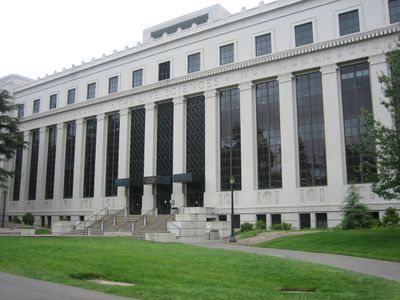
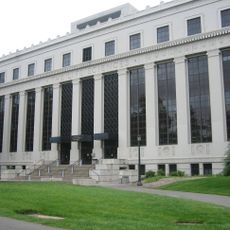
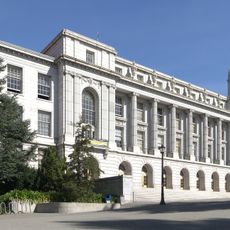
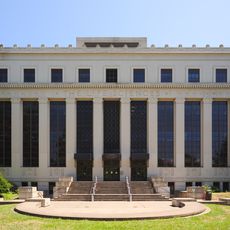
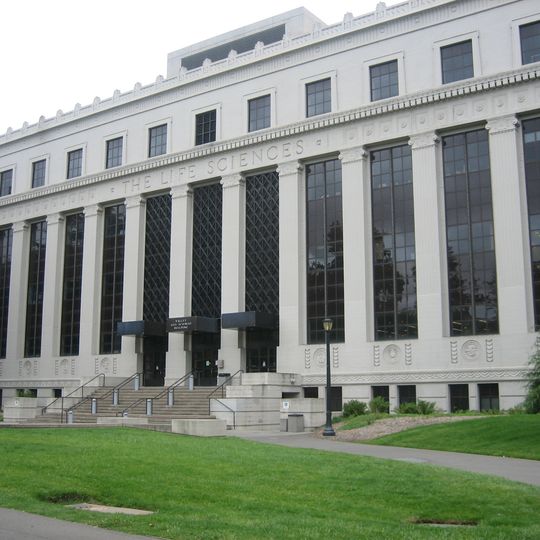
The Museum of Vertebrate Zoology is located on the third floor of the Valley Life Sciences Building and contains extensive collections of mammals, birds, amphibians, and reptiles. The specimens in the collection come from field research spanning multiple continents and represent many decades of scientific collecting.
The institution was founded in 1908 by Annie Montague Alexander, who created the initial collection. Joseph Grinnell directed the museum for three decades and shaped its scientific approach and growth during his leadership.
The museum serves as a working research center where students and scientists regularly study specimens to understand animal diversity and evolution. Visitors can observe how scientific inquiry about vertebrate life happens within a university setting.
The museum operates primarily as a research facility with limited general access, so visitors should contact the staff beforehand to arrange a visit. Plan for a focused experience rather than a casual drop-in, as you will be exploring focused areas of the collection.
The museum holds more than 640,000 specimens, making it the largest vertebrate collection at any university in the country. This enormous assemblage reflects over a century of field collecting and scientific documentation efforts.
The community of curious travelers
AroundUs brings together thousands of curated places, local tips, and hidden gems, enriched daily by 92,604 contributors worldwide.