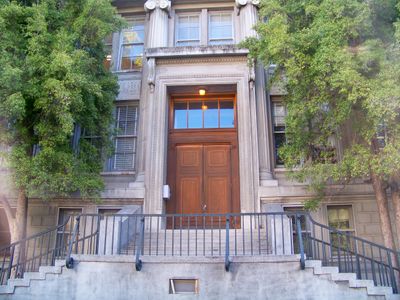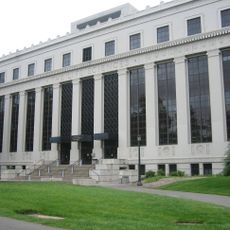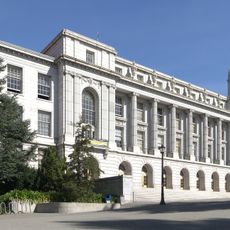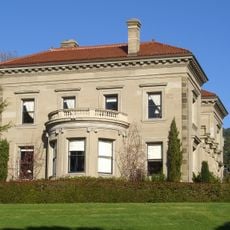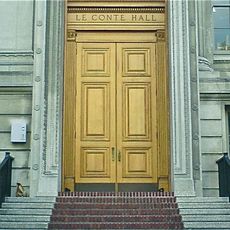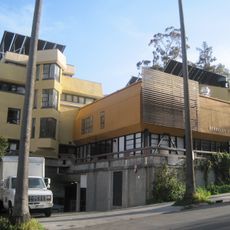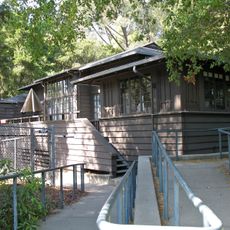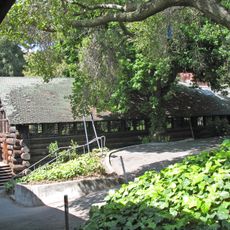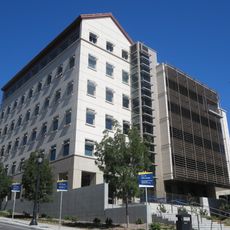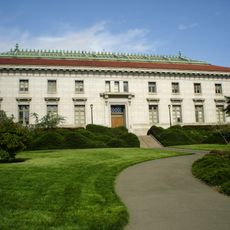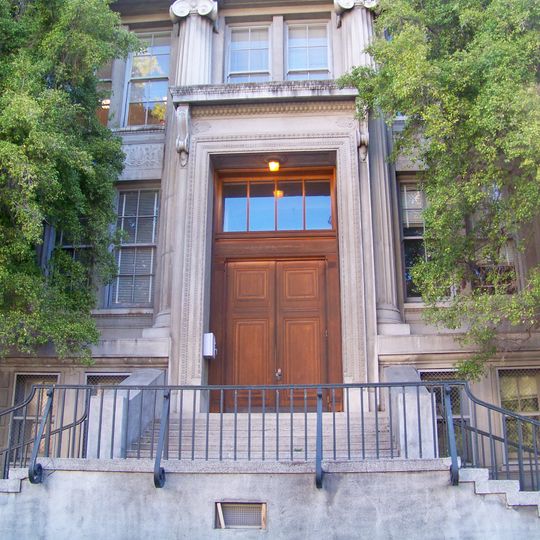
Gilman Hall, Chemistry research building at University of California Berkeley, US
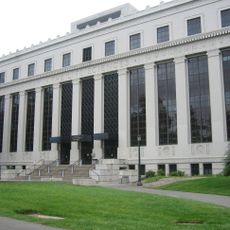
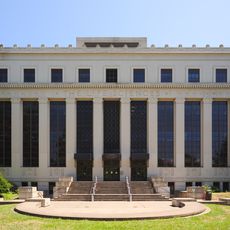
Gilman Hall is a steel and concrete building at the University of California Berkeley that houses laboratories and offices for chemistry research. Designed by architect John Galen Howard, the structure spans multiple floors with specialized spaces for different types of scientific work.
The building was constructed between 1916 and 1917 to expand the College of Chemistry under the direction of Gilbert Newton Lewis. Lewis was a pioneer in chemical thermodynamics and transformed this place into a center for modern research.
The building is named after a major early supporter and represents the university's commitment to chemistry research. Visitors can observe how the layout of laboratories and offices reflects the collaborative nature of scientific work.
The building now houses departments for chemistry and biomedical engineering with classrooms and offices. Visitors should note that some areas may only be accessible during the university's regular operating hours.
A room on the third floor was where plutonium was discovered as a new element. This 1941 discovery made this place a key milestone in nuclear chemistry.
The community of curious travelers
AroundUs brings together thousands of curated places, local tips, and hidden gems, enriched daily by 91,983 contributors worldwide.