Central Valley, Agricultural valley in California, United States
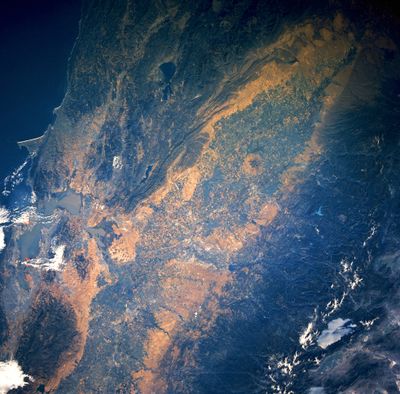
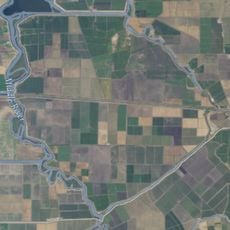
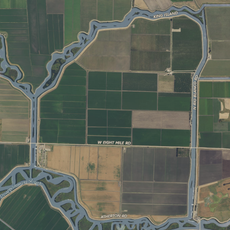
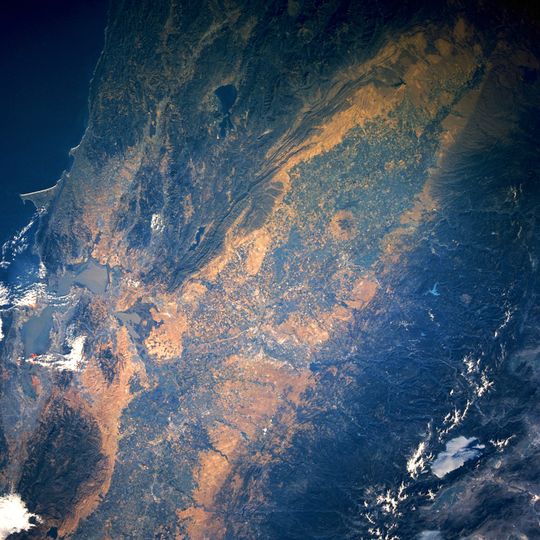
Central Valley is a large valley in California, United States, stretching more than 700 kilometers through the inland portion of the state and sitting between two mountain ranges. The Sierra Nevada forms the eastern boundary, while the Coast Ranges run along the west, creating a flat corridor crossed by numerous rivers.
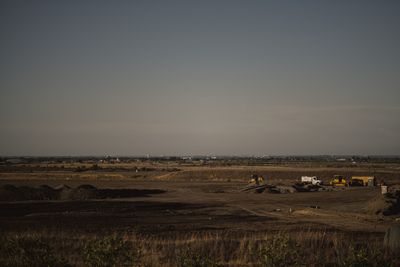
Early European settlers began building irrigation systems in the mid-19th century after gold prospectors and railroad workers recognized the region's potential. Construction of large canals and dams in the early 20th century transformed dry grasslands into farmable territory.
The agricultural towns and small cities carry names recalling early settlers and railroad routes, while roadside stands along the highways offer fresh produce directly from surrounding fields. Many families work the same parcels for several generations, maintaining farming methods adapted to the region's hot climate and soil.
Main roads run north to south through the valley, connecting smaller communities with larger cities at the edges of the region. Summer brings very high temperatures, while winter is milder and occasional fog can reduce visibility across the fields.
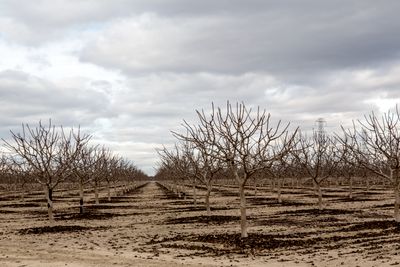
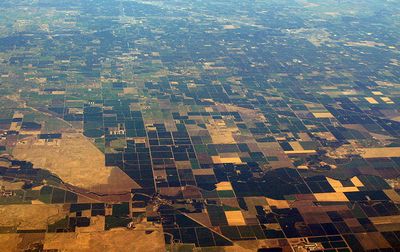
The valley produces a large portion of the almonds, tomatoes, and grapes consumed worldwide, though it sits on a geological plain that was once a vast inland sea. Harvests depend entirely on artificial irrigation, as summer rainfall is nearly absent.
The community of curious travelers
AroundUs brings together thousands of curated places, local tips, and hidden gems, enriched daily by 60,000 contributors worldwide.