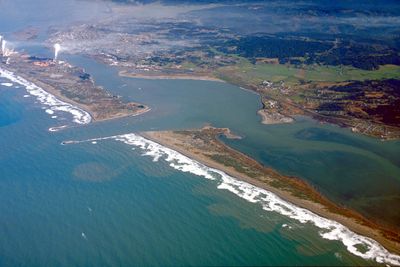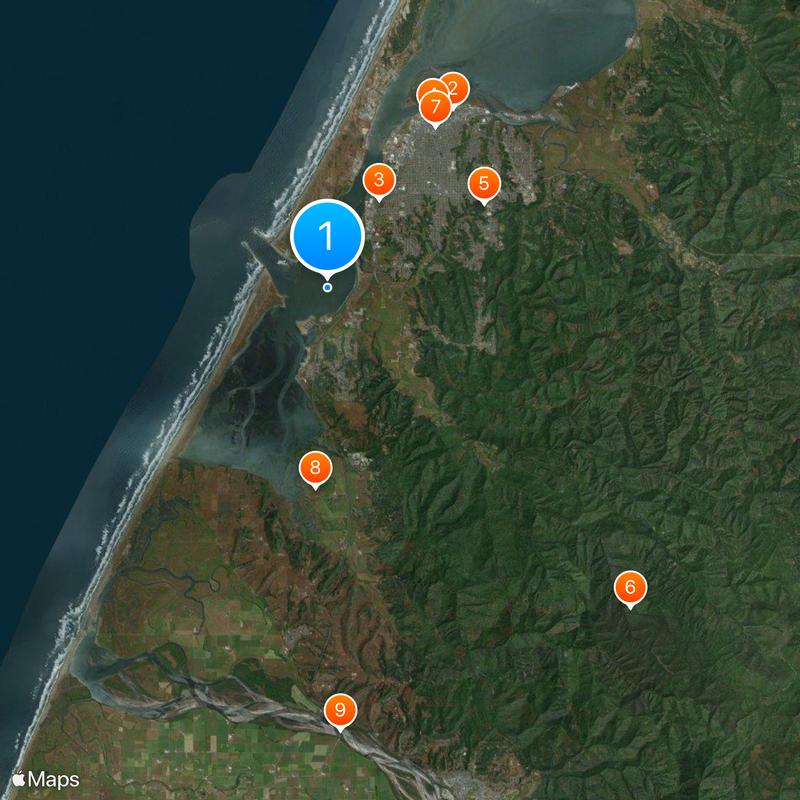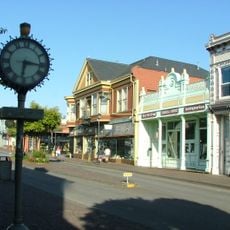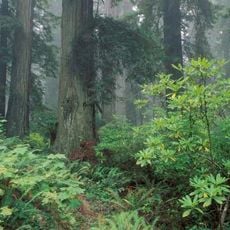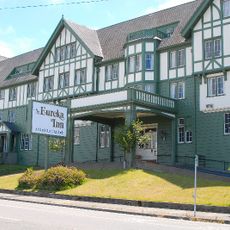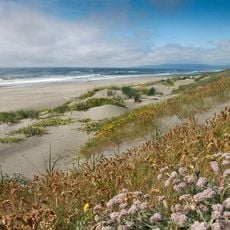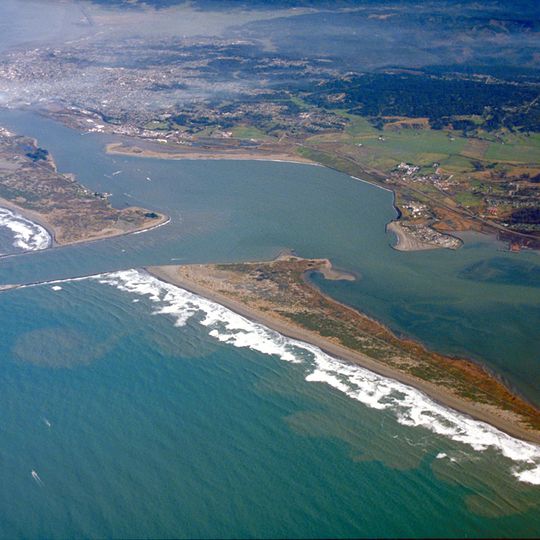
Humboldt Bay, Natural bay near Eureka, United States.
Humboldt Bay is a large inlet along the California coast, divided into three main sections that each have different water depths and characteristics. The bay provides sheltered areas where aquaculture operations and fishing industries depend on its resources.
An 1850 expedition named the bay after Alexander von Humboldt, the German naturalist and explorer. The bay then became a major port for shipping lumber from the surrounding redwood forests.
The Wiyot people established settlements along this bay and built redwood canoes to harvest shellfish from local waters. Their connection to this place shaped the region's identity and remains part of the community's story today.
The bay's sheltered waters make it accessible for boating, wildlife watching, and water activities throughout the year. You can explore from the surrounding shoreline or venture onto the water to see the local marine life up close.
This bay holds the largest continuous salt marsh between San Francisco and southern Oregon, a habitat that appears nowhere else in this section of coast. The marshes provide breeding and resting grounds for rare plants and thousands of migratory birds each year.
The community of curious travelers
AroundUs brings together thousands of curated places, local tips, and hidden gems, enriched daily by 92,784 contributors worldwide.