Folsom Lake, Reservoir in Sierra Nevada foothills, California
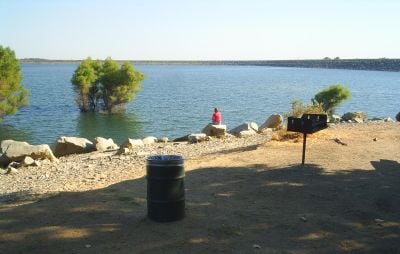
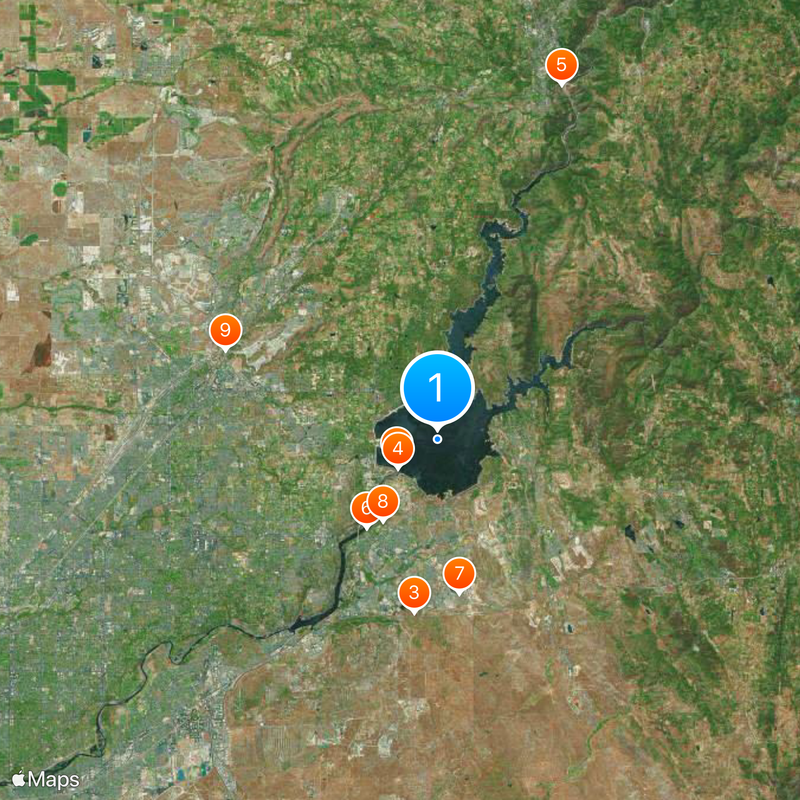
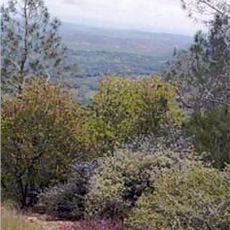
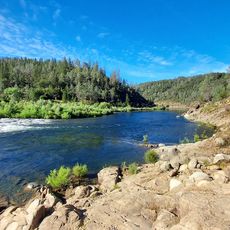
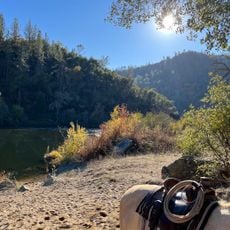
Folsom Lake is a reservoir in the foothills of the Sierra Nevada in California, stretching across three counties and fed by the American River. The water reaches a surface area of around 4,600 hectares (11,400 acres) at normal pool level with over 120 kilometers (75 miles) of shoreline shaped by grassy slopes, rocky cliffs, and small coves.
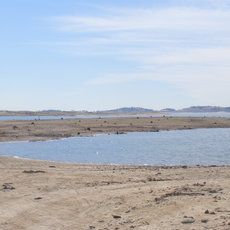
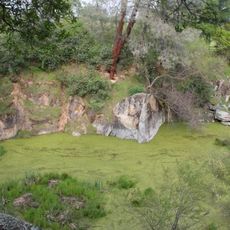
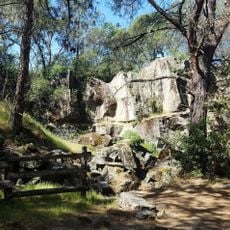
Folsom Dam was built in 1955 to control and retain the American River, forming the reservoir as part of the Folsom Project, which also includes the Nimbus afterbay facilities. Operated by the United States Bureau of Reclamation, the project is part of the Central Valley Project, providing flood control, hydroelectricity, drinking water, and irrigation water. The concrete dam is 340 feet high and 1,400 feet wide, supported by about 9 miles of earth fill wing dams and dikes. During the late 2013 drought, the submerged Gold Rush town of Mormon Island reappeared 58 years after being covered, with stone walls from outlying areas revealed by the shrinking lake.
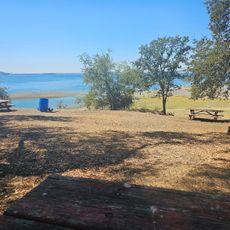
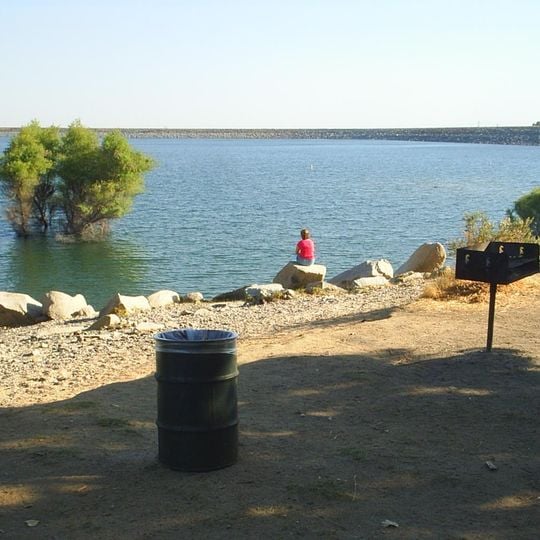
Locals refer to the reservoir simply as "Folsom" and use it year-round for boating, fishing, and picnics along the shore. On weekends, families from across the region come here to relax by the water and explore the trails along the shore.
Visitor zones are open from sunrise to sunset and offer parking, restrooms, and water access at several points around the lake. During low water levels, some boat ramps and swimming areas may be closed, so it is worth checking current conditions beforehand.
During extreme drought, the ruins of Mormon Island emerge from the water, including foundations and old roads from the Gold Rush settlement. Divers report submerged bridges and tree stumps deep below the surface, reminders of the earlier landscape before the dam was built.
The community of curious travelers
AroundUs brings together thousands of curated places, local tips, and hidden gems, enriched daily by 92,784 contributors worldwide.