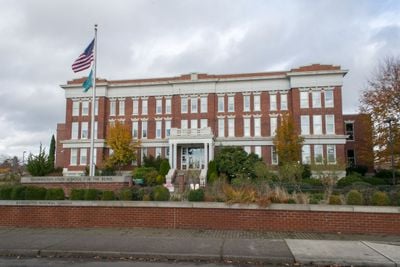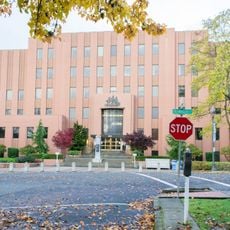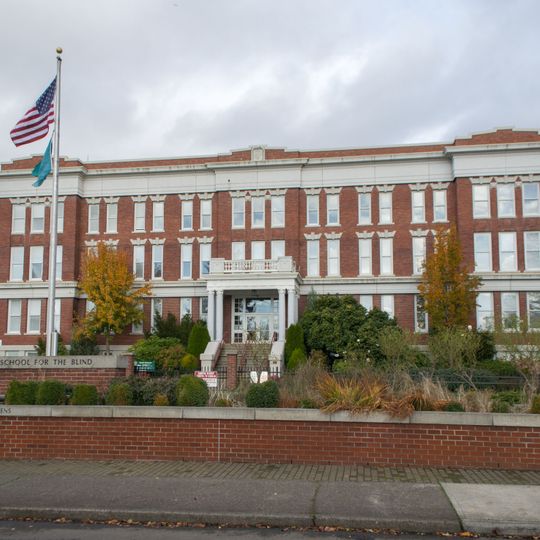
Washington School for the Blind, school for visually-impaired, blind, or deaf-blind students, located in Vancouver, Washington in the United States
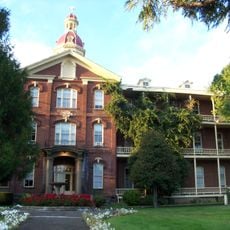
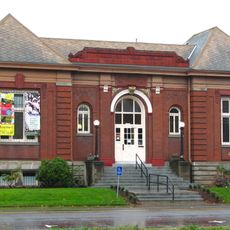
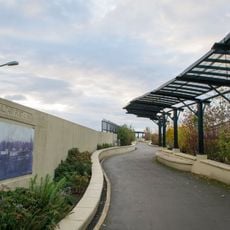
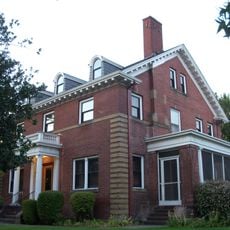
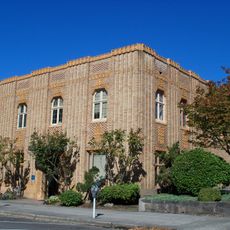
The Washington School for the Blind in Vancouver is an educational facility for blind and visually impaired students, designed by architect Julius Zeittel with four main buildings in classical revival style. The campus was transformed over the years, replacing large dormitories with small cottages to create a more home-like environment for residents.
The school was established in 1886 as an institution for students with various disabilities, but by 1892 it focused solely on blind and deaf students. In 1913, it separated programs for deaf students from those for blind students, and education shifted to include both practical job skills and college preparation.
The school's name reflects its evolution: it was originally called the School for Defective Youth but was renamed to use more respectful language. The campus functions as a community where students not only learn but also live together and develop independence in a home-like setting.
The school is located on East 13th Street and operates as an active educational facility that does not allow regular visits to the campus. Those interested can view the historic buildings from outside and learn about the school's history, which has been updated for earthquake safety and accessibility for people with disabilities.
A notable story from the school involves a donkey named Mr. Finnegan that students took to the roof of a building as a prank. The animal was only discovered when its braying gave away its location, revealing the lively spirit of the student community.
The community of curious travelers
AroundUs brings together thousands of curated places, local tips, and hidden gems, enriched daily by 90,753 contributors worldwide.