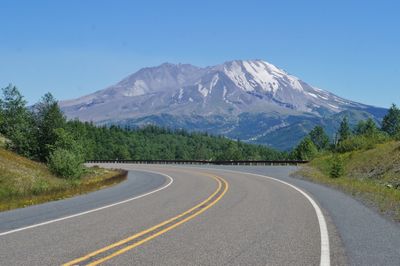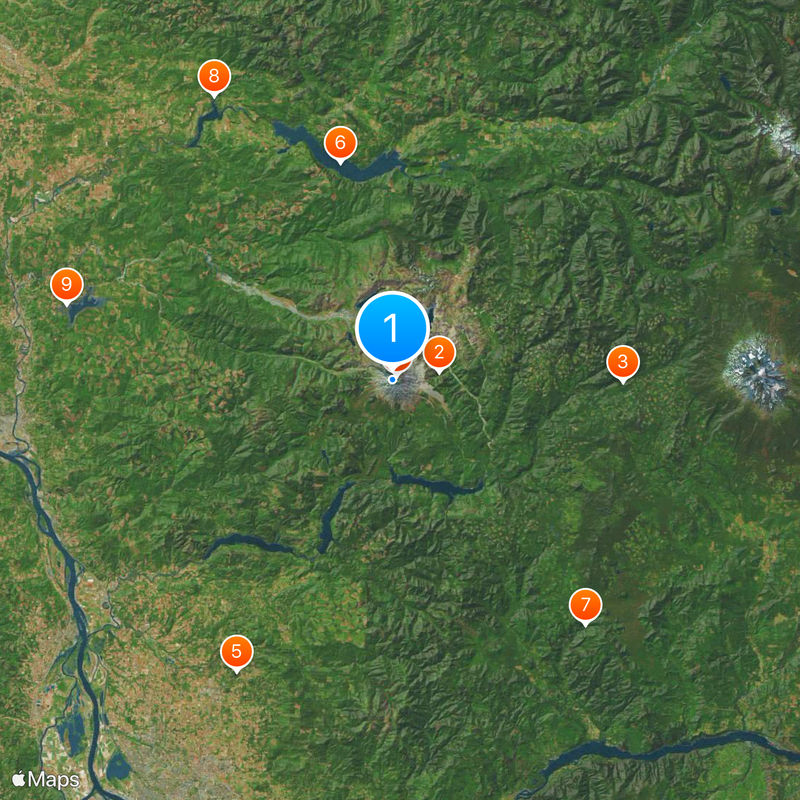
Mount St. Helens, Stratovolcano in Gifford Pinchot National Forest, Washington, US.
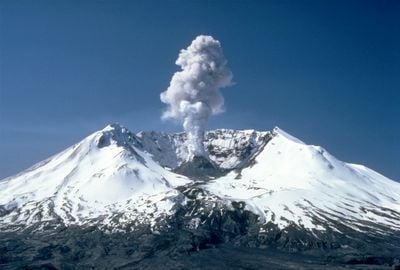
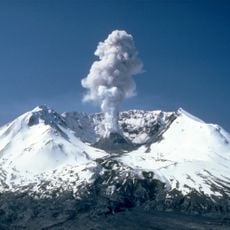
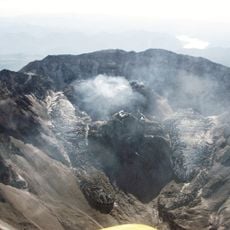
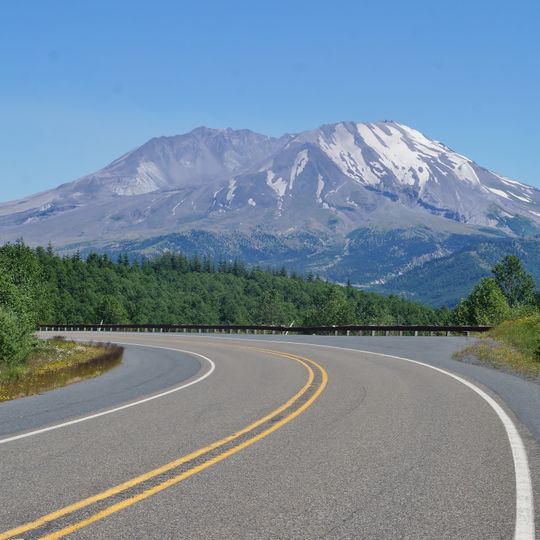
Mount St. Helens is a stratovolcano in Washington State with a horseshoe-shaped crater at 2549 meters (8363 feet) elevation. The flanks show exposed rock walls and ash fields, while the summit area features a slowly growing lava dome.
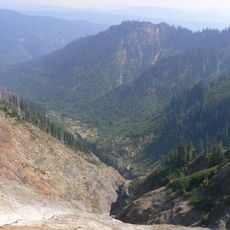
The eruption on May 18, 1980 tore away the entire north face of the mountain and transformed the landscape into a moonscape of mud and debris. Earlier eruptions occurred in the 19th century, but none matched the scale of this modern disaster.
Visitors can sense the lasting impact through memorials and interpretive centers where locals share personal accounts of surviving the eruption. Many residents in nearby towns still recall the event as a defining moment that shaped their community identity.
The Johnston Ridge Observatory offers direct views of the crater and the surrounding blast zone throughout the year. Hiking trails lead through the recovery zones, though some routes remain closed in winter due to snow.
An active lava flow inside the crater adds new material to the growing dome each day, a rare example of continuous volcanic activity. Researchers use this opportunity to study eruption processes in real time and develop better forecasting models.
The community of curious travelers
AroundUs brings together thousands of curated places, local tips, and hidden gems, enriched daily by 60,000 contributors worldwide.