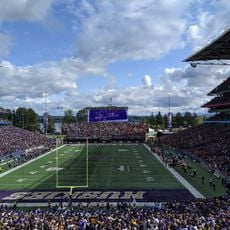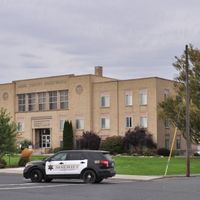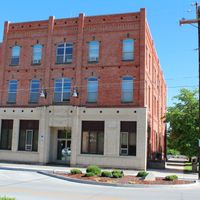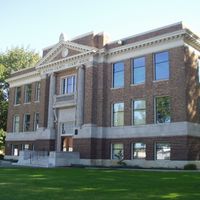
Washington, Pacific Northwest state in US.
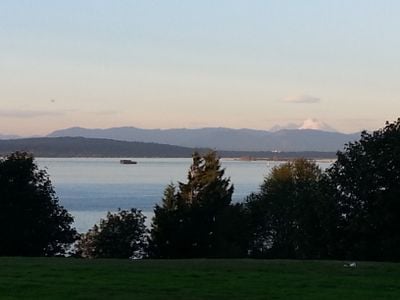
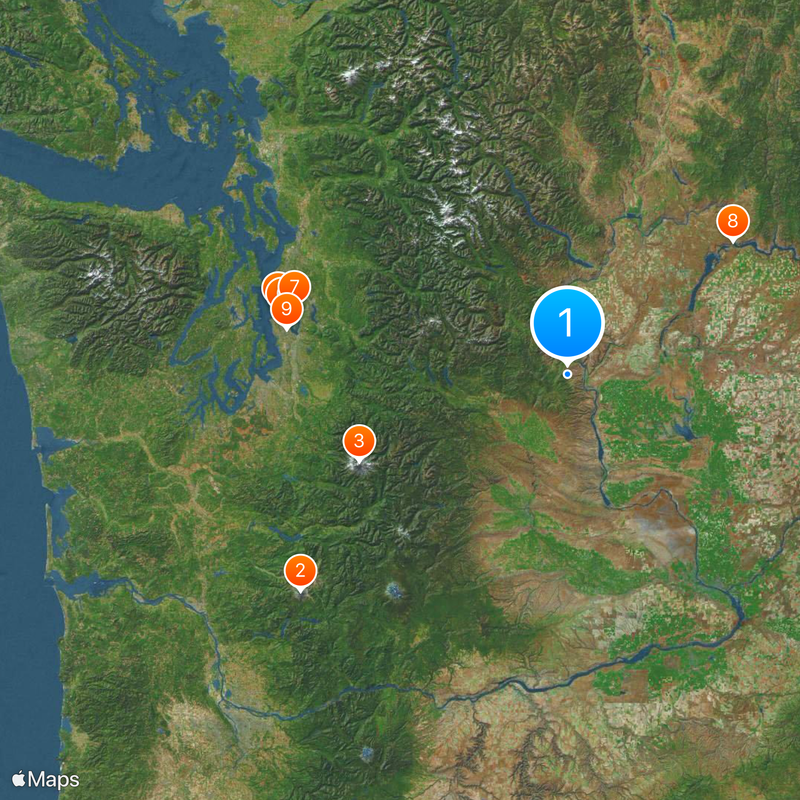
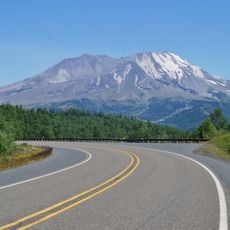
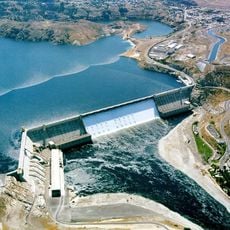
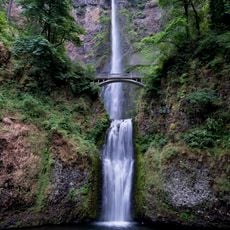
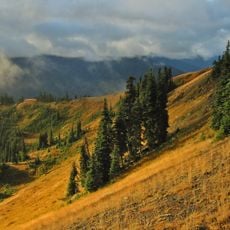
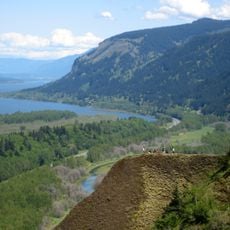
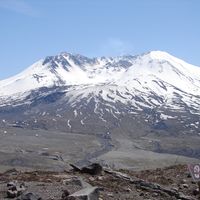
Washington stretches from the Pacific coast to Idaho, containing rainforests, volcanic peaks, and the Columbia River flowing through farmland. The Olympic Mountains and Cascade Range rise in the west, while dry plains with wheat fields spread across the east and Puget Sound carves into the coastline.
The territory formed in 1853 became the 42nd state in 1889, following European settlement and millennia after indigenous peoples first inhabited the region. The transcontinental railroad accelerated westward migration and reshaped the area permanently.
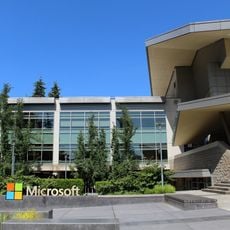
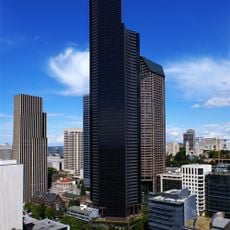
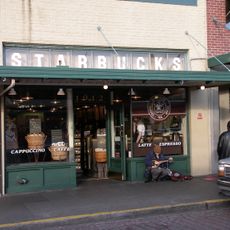
The state brings together Native heritage with contemporary life, seen in riverside salmon ceremonies and in Seattle coffeehouses where grunge music took shape. Coastal communities maintain fishing traditions passed through generations, while tech companies shape everyday routines in the cities.
Western areas receive heavy rainfall and experience mild temperatures throughout the year, while eastern regions see hot summers and cold winters with much less precipitation. Travelers should prepare for changing conditions when crossing the mountain ranges, where weather and temperature shift quickly.
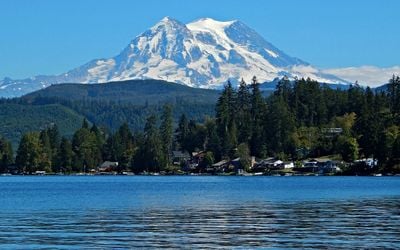
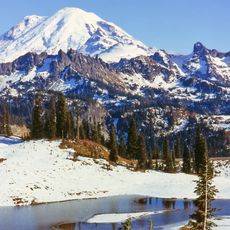
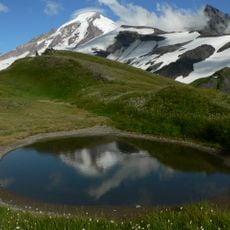
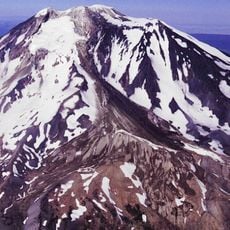
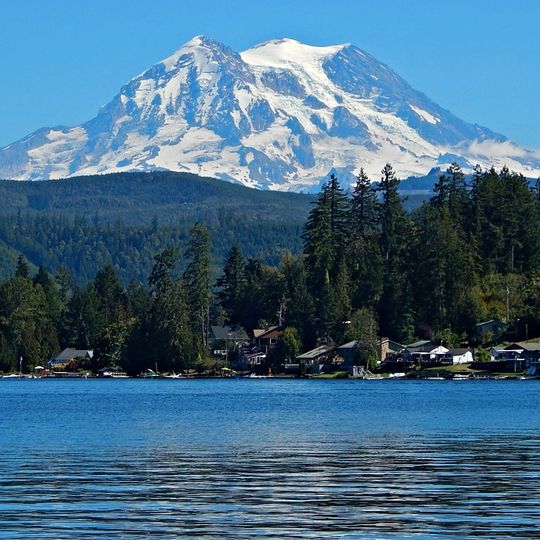
Mount Rainier rises to 4392 meters (14,411 feet) as the tallest volcano in the Cascade Range, holding 26 major glaciers within its national park. The Olympic National Park shelters temperate rainforests that rank among North America's wettest locations, with moss-covered trees lining the valleys.
The community of curious travelers
AroundUs brings together thousands of curated places, local tips, and hidden gems, enriched daily by 90,777 contributors worldwide.