Grand Coulee Dam, Hydroelectric power station on Columbia River, Washington, US
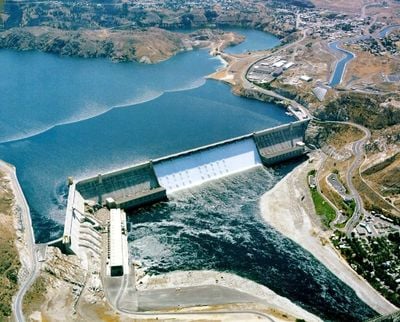
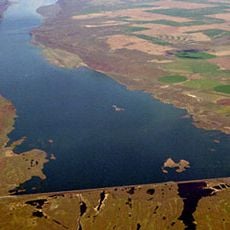
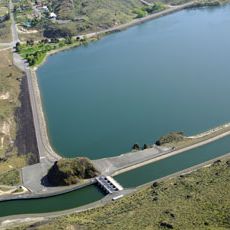
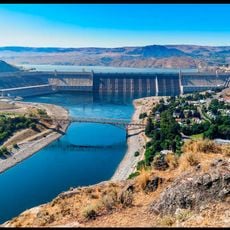
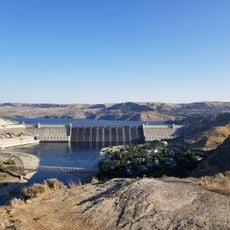
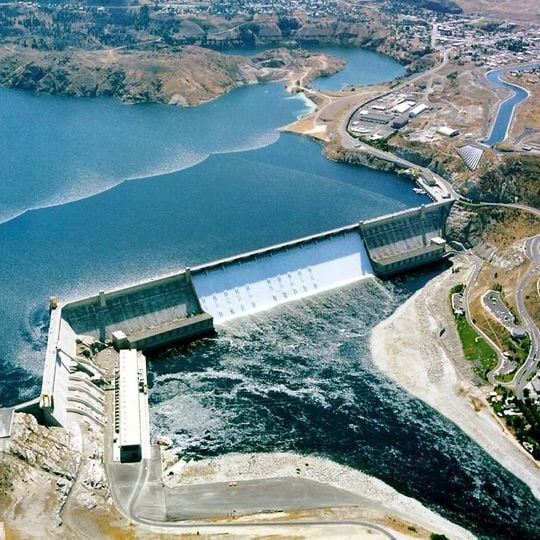
Grand Coulee Dam is a 1,592 meter (5,223 feet) long hydroelectric power station on the Columbia River in northeastern Washington State. The concrete gravity structure contains three separate powerhouse sections and a large pumped-storage plant on the left side of the facility.
Construction began in 1933 during the Great Depression and employed thousands of workers in the remote Washington desert. The first phase was completed in 1942, while later expansions in the 1950s and 1970s further increased capacity.
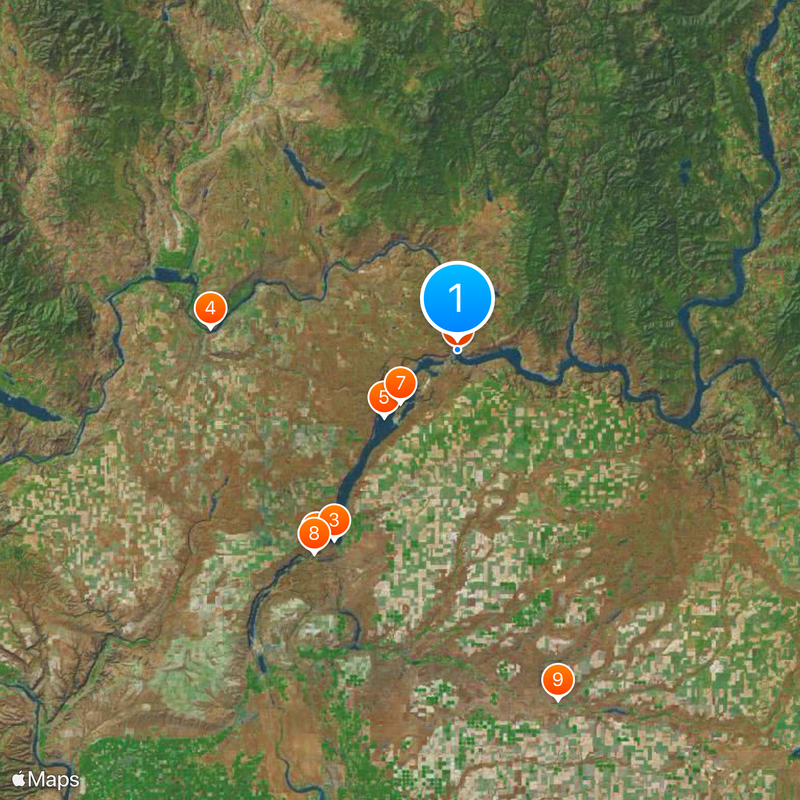
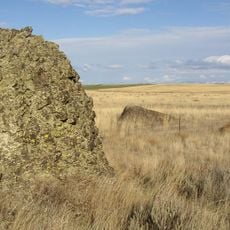
The name Coulee comes from the French word for ravine and describes the geological formation the Columbia River carved through this area. Today the facility serves not only to generate power but also to irrigate farmland across central Washington.
The visitor center offers guided tours through the facility and displays exhibits about power generation technology. In the evenings between May and September, a free laser show is projected onto the dam face and can be watched from the parking area.
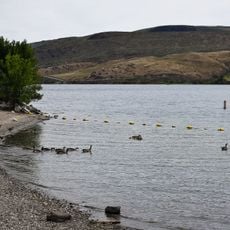
The facility uses the pumped-storage system at night to lift water into Banks Lake and releases it during the day when electricity demand rises. During World War II the dam provided power for the atomic bomb factory at Hanford in southern Washington.
The community of curious travelers
AroundUs brings together thousands of curated places, local tips, and hidden gems, enriched daily by 92,130 contributors worldwide.