Mount Hood, Stratovolcano in Cascade Range, Oregon
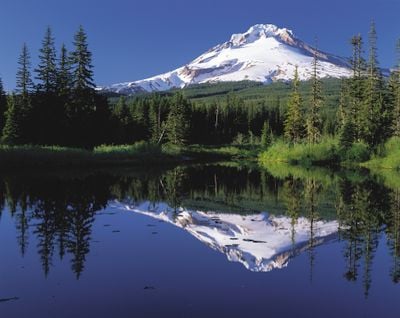
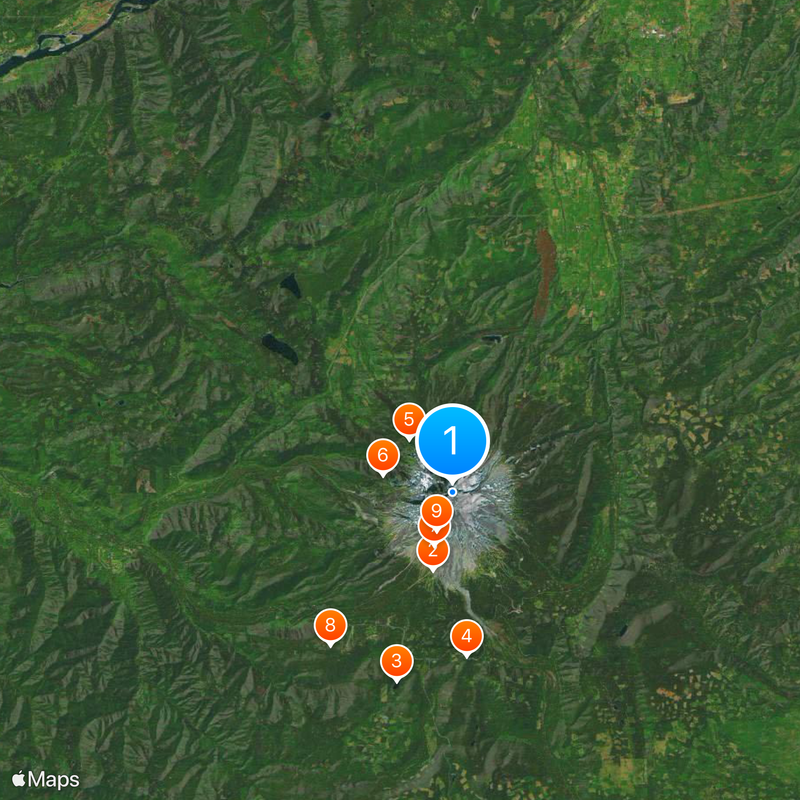
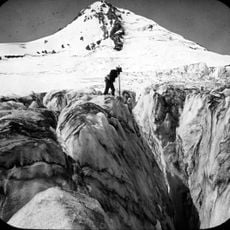
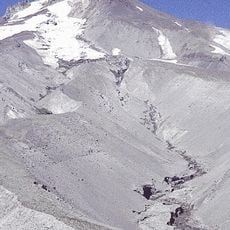
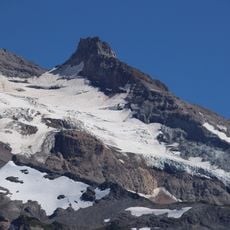
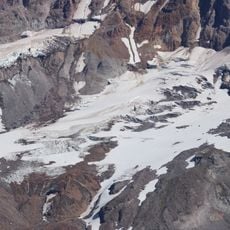
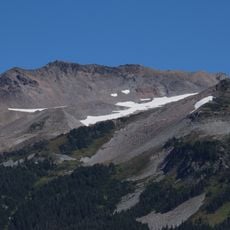
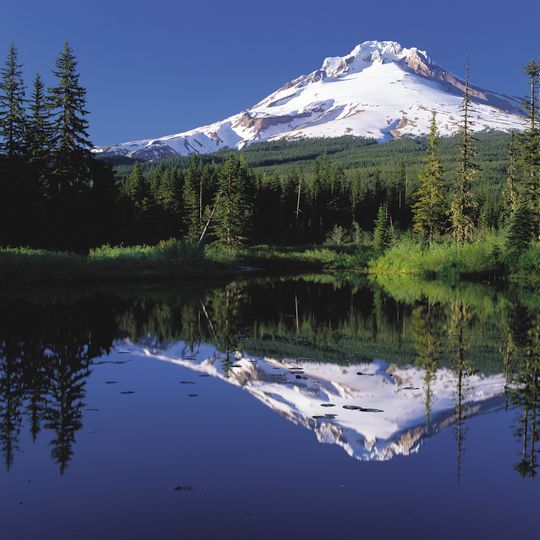
Mount Hood is a stratovolcano in the Cascade Range in Oregon, rising to 3425 meters (11239 feet) with eleven active glaciers across its upper slopes. Gray volcanic deposits run along its rivers, marking the geological activity of the region.
Lieutenant William Broughton named the peak after British Admiral Samuel Hood in October 1792 during his Columbia River expedition. European settlers later built trails and lodges, while indigenous communities had used the area for centuries before their arrival.
Local climbers, skiers, and hikers treat the mountain as a proving ground for alpine skill, returning season after season to test themselves against its slopes. Mountain guides and lodge staff share stories about the weather, the snow, and the quiet respect people feel when they stand near its summit.
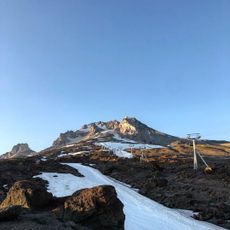
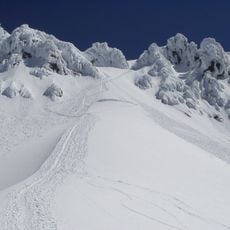
Five winter sports areas, including Timberline Lodge, offer skiing at higher elevations throughout the year. Weather changes quickly, so visitors should prepare for fog, wind, and sudden temperature shifts.
Twelve mapped glaciers cover the slopes, but their volume has decreased by 61 percent over the past century. This change is visible from below, showing how the ice fields have shifted over time.
The community of curious travelers
AroundUs brings together thousands of curated places, local tips, and hidden gems, enriched daily by 60,000 contributors worldwide.