Cascade Volcanoes, Volcanic mountain range in Pacific Northwest, United States
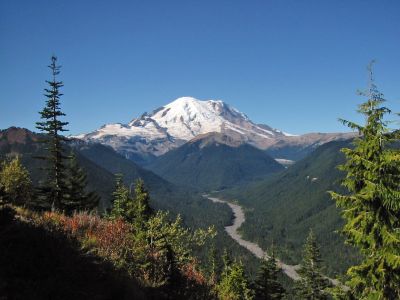
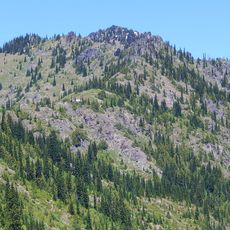
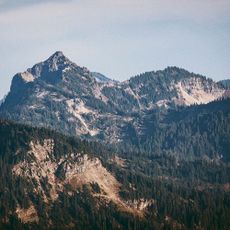
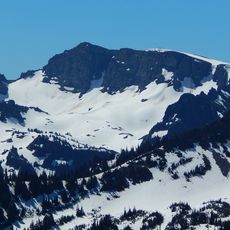
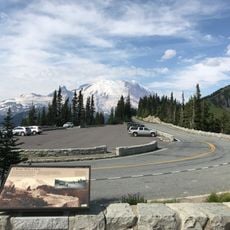
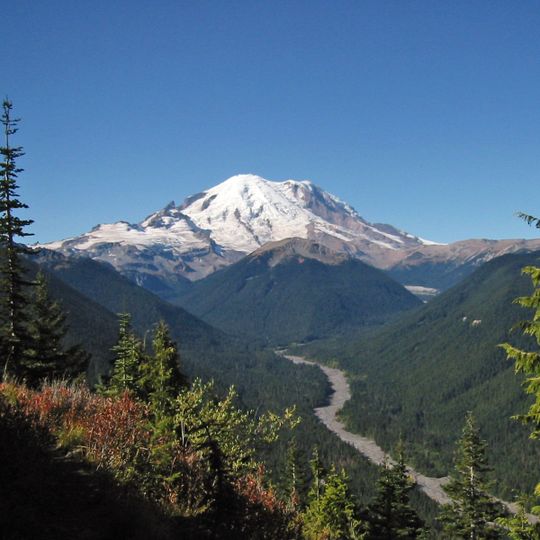
The Cascade Volcanoes form a 1,300-kilometer chain of active and dormant volcanoes stretching from northern California through Washington state to British Columbia. The range includes large stratovolcanoes such as Mount Rainier and Mount Hood, along with shield volcanoes, cinder cones, and broad lava fields between the highest peaks.
The volcanoes formed millions of years ago through the subduction of the Juan de Fuca Plate beneath the North American Plate. Seven volcanoes have erupted since 1700, including the 1980 eruption of Mount St. Helens that expelled large amounts of ash.
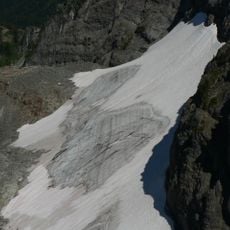
The name comes from the Cascade Rapids on the Columbia River, now submerged beneath reservoirs. Hikers visit the peaks in summer when snowfields retreat and alpine meadows bloom.
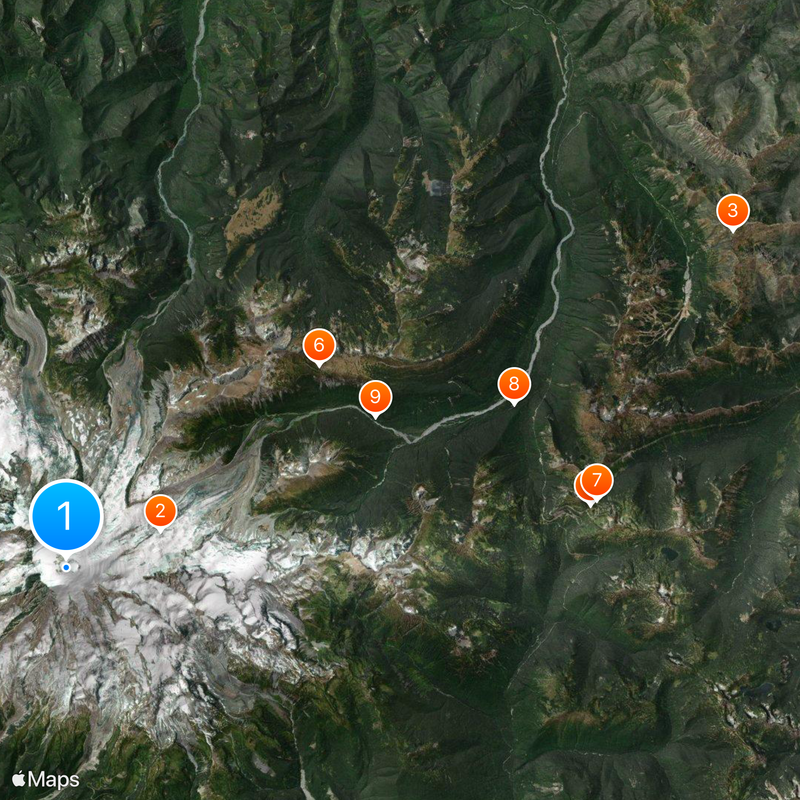
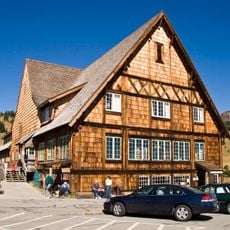
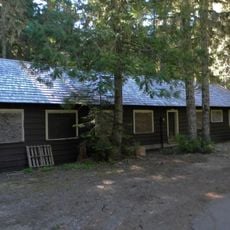
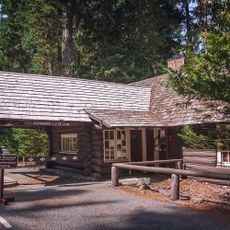
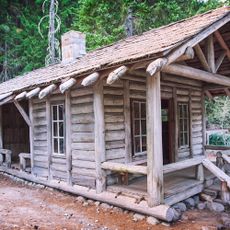
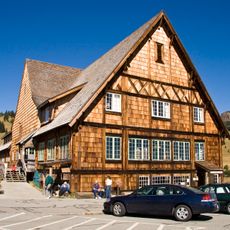
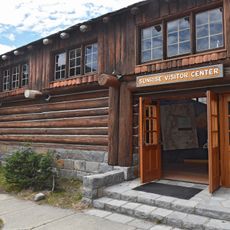
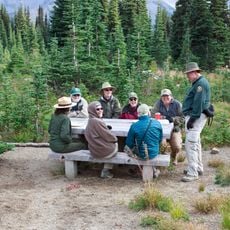
Multiple observation points and visitor centers along the volcanic range provide educational programs about volcanic activity and geological formations. Hiking trails at many peaks are accessible from late June to September when snowmelt clears the routes.
The range contains roughly 2,900 volcanic structures within a relatively narrow belt between the coastal mountains and the eastern plains. Many smaller cones and lava fields lie away from the major peaks and are often overlooked by visitors.
The community of curious travelers
AroundUs brings together thousands of curated places, local tips, and hidden gems, enriched daily by 92,585 contributors worldwide.