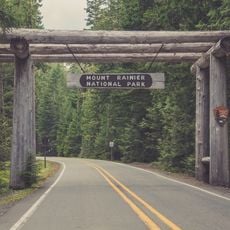
Norse Peak Wilderness, Protected wilderness area near Mount Rainier, Washington, US.
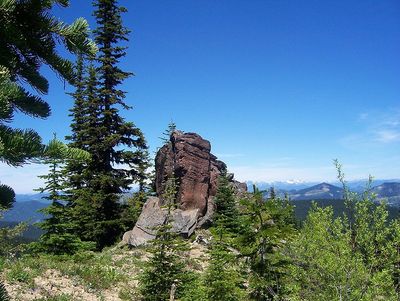
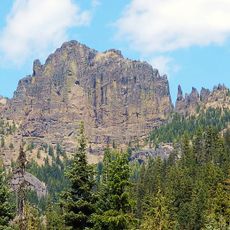
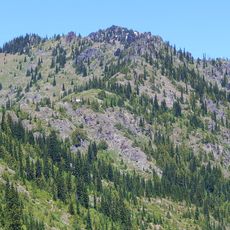
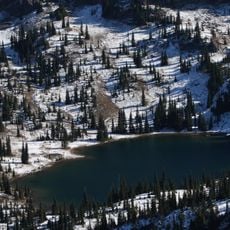
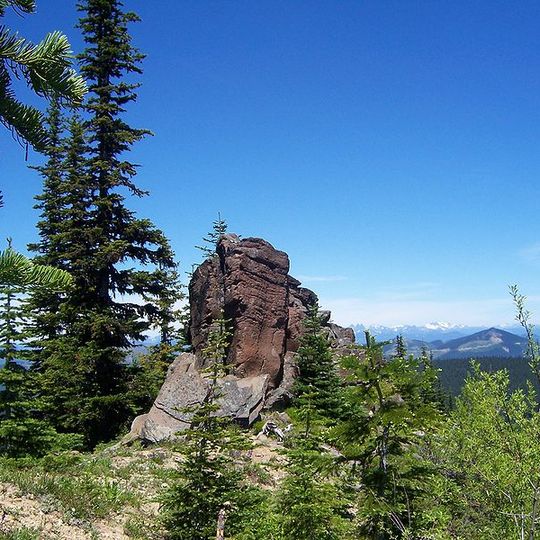
Norse Peak Wilderness is a 52,315-acre protected area in the central Washington Cascades, roughly triangular and about 10 miles across, with no roads. Forested slopes of Douglas fir, western red cedar, western hemlock and pine rise to jutting volcanic peaks, from 3,000 feet at the Greenwater River to 6,856-foot Norse Peak and 6,900-foot Fifes Peaks, a remnant volcanic cone. Streams run through narrow valleys into lower meadows, with open park-like basins higher up.
The wilderness protection was established in 1984 under the Washington State Wilderness Act, incorporating the area into the national preservation system. This designation secured long-term protection for the land.
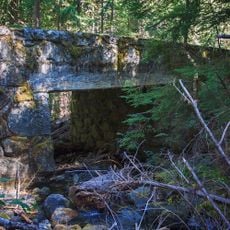
The area south of the wilderness, in the Morse Creek drainage, was the Summit Mining District, worked for minerals between 1885 and 1920. Placer mineral content there was poor, but remains of that activity are still evident. Domestic sheep grazed the wilderness heavily from 1890 to 1950.
Multiple trailheads provide access to the wilderness, with the best visiting season from late spring through early fall when trails are snow-free. The elevation and rugged terrain require good physical preparation and proper gear.
The Pacific Crest National Scenic Trail runs along the Cascade divide inside the wilderness, while the historic Naches Pass Trail lies just outside its northern boundary. The area was heavily grazed by domestic sheep from 1890 to 1950, and the Summit Mining District in the Morse Creek drainage saw mineral activity between 1885 and 1920, with poor placer content but remains still visible.
The community of curious travelers
AroundUs brings together thousands of curated places, local tips, and hidden gems, enriched daily by 93,774 contributors worldwide.