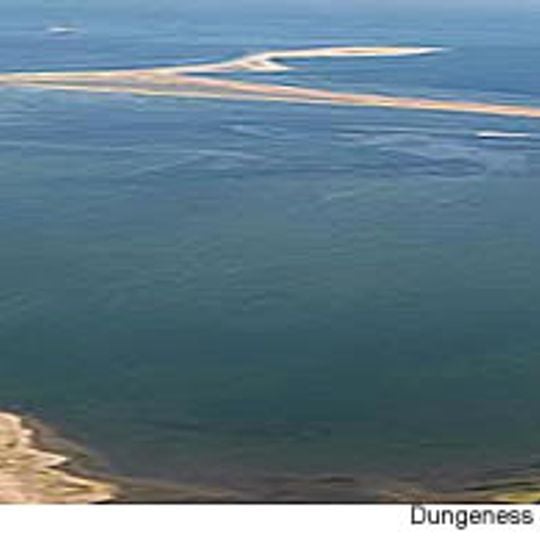
Dungeness National Wildlife Refuge, National Wildlife Refuge on Olympic Peninsula, Washington, US
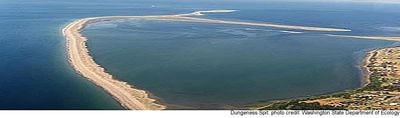
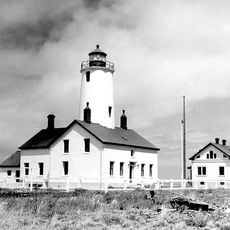
Dungeness National Wildlife Refuge covers 772.52 acres near Sequim, including Dungeness Spit, Graveyard Spit and parts of Dungeness Bay and Harbor. Dungeness Spit is a narrow natural sand spit 6.8 miles (10.9 km) long, with the New Dungeness Light near its tip. The refuge lies on the Strait of Juan de Fuca.
The refuge was established in 1915 to protect breeding areas for wild birds along the Pacific coast. These early conservation efforts formed the basis for today's management of this coastal ecosystem.
George Vancouver named the spit New Dungeness in 1792 after the Dungeness headland in Kent, England. The name passed to the refuge, which since 1915 has drawn birdwatchers; the National Audubon Society lists it as an Important Bird Area, and black brant stage here in spring, with 3,000 to 5,000 present in April.
The refuge is accessible from Highway 101 and offers opportunities to walk trails and observe wildlife in its natural setting. The best time to visit is during migration seasons in spring and fall when bird and animal activity is at its peak.
Harbor seals haul out to rest and give birth to pups at the end of Dungeness Spit, which is 6.8 miles (10.9 km) long and very narrow. The refuge is recognized as an Important Bird Area by the National Audubon Society. Black brant gather in Dungeness Bay from late October through early May, with peak numbers of about 3,000 to 5,000 in April.
The community of curious travelers
AroundUs brings together thousands of curated places, local tips, and hidden gems, enriched daily by 94,484 contributors worldwide.