Tse-whit-zen, Archaeological site in Port Angeles, US
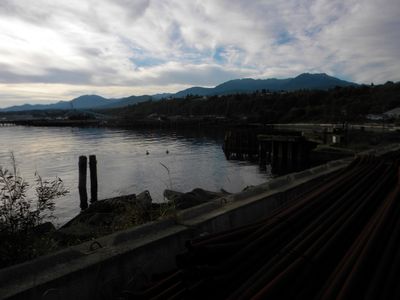
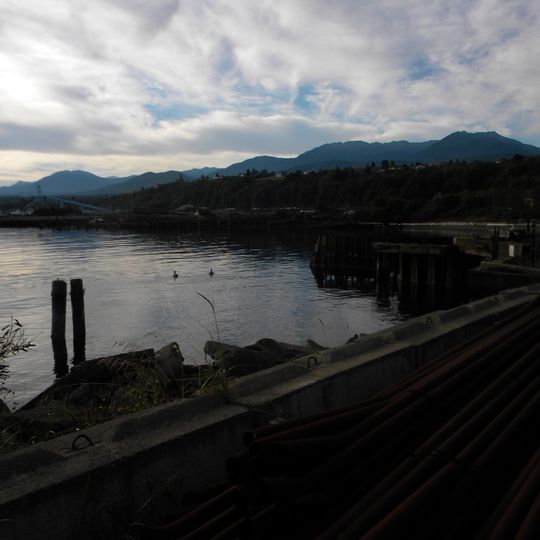
Tse-whit-zen was a large village with several longhouse structures, now buried beneath the modern city of Port Angeles. Underground deposits contain thousands of artifacts and layered evidence spanning thousands of years of continuous occupation.
The site was continuously inhabited from around 750 BC through the present day, spanning more than 2,700 years of settlement. Early 1900s lumber industry development buried the village under fill material, and excavations beginning in 2003 uncovered it again.
This was a major village of the Lower Elwha Klallam people for many generations, where families lived in large communal houses and relied on fishing and gathering. The everyday objects found here tell stories about how people built their homes and made their tools.
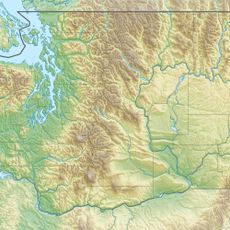
The site is located beneath modern Port Angeles and is not open for public visits. Visitors interested in the artifacts and history can find information at local museums and tribal cultural centers in the area.
The lumber industry of the early 1900s accidentally preserved the village when mills spread fill material across the land, sealing the site from the elements. This unusual protection allowed archaeologists to recover exceptionally preserved organic materials and food remains rarely found at other sites.
The community of curious travelers
AroundUs brings together thousands of curated places, local tips, and hidden gems, enriched daily by 91,273 contributors worldwide.