Pyramid Lake, Endorheic salt lake in Washoe County, United States
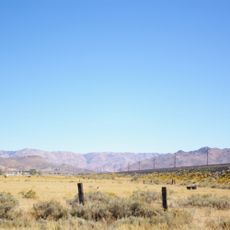
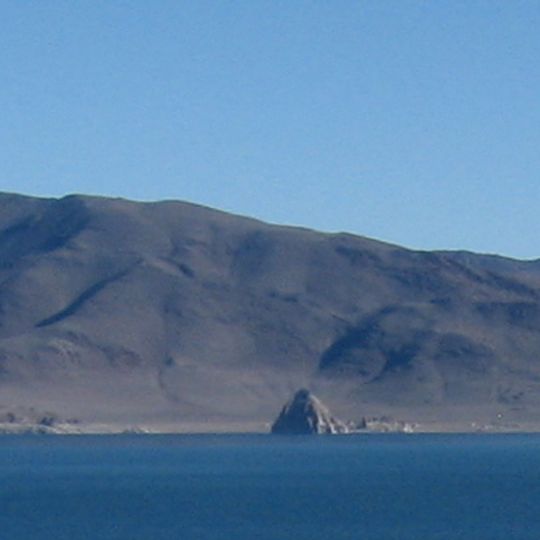
Pyramid Lake is an endorheic salt lake in Washoe County in northwestern Nevada. The water surface stretches roughly 43 kilometers in length and nearly 18 kilometers in width, with depths reaching up to 108 meters in some areas.
Pyramid Lake is the largest remnant of Pleistocene Lake Lahontan, which at its deepest reached about 270 metres here. The Paiute, Shoshone and Washo fished its waters long before contact, and archaeological finds in the area span roughly 9500 BCE to 1400 CE. John C. Frémont was the first non-Indigenous person to map the lake, and two battles of the Paiute War were fought near its shores in 1860.
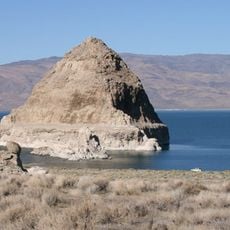
The name was given by John C. Frémont after the cone- or pyramid-shaped tufa formations in the lake and along its shores, including the small island called The Pyramid. In Northern Paiute the lake is Kooyooe Pa'a Panunadu, after the cui-ui fish; the Kooyooe Tukadu band take their name from it, "cui-ui eaters."
Permits for fishing, camping, and boating can be obtained through the tribal administration office. Roads around the shoreline are often sandy and dusty in windy conditions, so sturdy footwear helps.
Anaho Island, a rocky outcrop in the middle of the water, hosts one of the largest breeding colonies of American white pelicans outside the Yellowstone region. The endemic Cui-ui sucker fish lives only in this body of water and has survived here for thousands of years.
The community of curious travelers
AroundUs brings together thousands of curated places, local tips, and hidden gems, enriched daily by 93,641 contributors worldwide.