See the monuments around you in AROpen chests in the app
Around Us is built for your phone — point your camera at the streets and discover the monuments and places around you in augmented reality.Around Us is built for your phone — chests unlock when you walk, explore and capture nearby places.
Nevada offers far more than the casinos of Las Vegas and Reno. The Clown Motel in Tonopah houses an unusual collection, while the Neon Boneyard in Las Vegas preserves historic electric signs. The Pinball Hall of Fame displays machines spanning several decades, and the International Car Forest near Goldfield presents painted vehicles as outdoor art. History seekers can explore the ghost town of Rhyolite near Beatty with its abandoned mining era buildings and the Pioneer Saloon in Goodsprings, a working tavern since 1913.
Nevada offers far more than the casinos of Las Vegas and Reno. The Clown Motel in Tonopah houses an unusual collection, while the Neon Boneyard in Las Vegas preserves historic electric signs. The Pinball Hall of Fame displays machines spanning several decades, and the International Car Forest near Goldfield presents painted vehicles as outdoor art. History seekers can explore the ghost town of Rhyolite near Beatty with its abandoned mining era buildings and the Pioneer Saloon in Goodsprings, a working tavern since 1913.
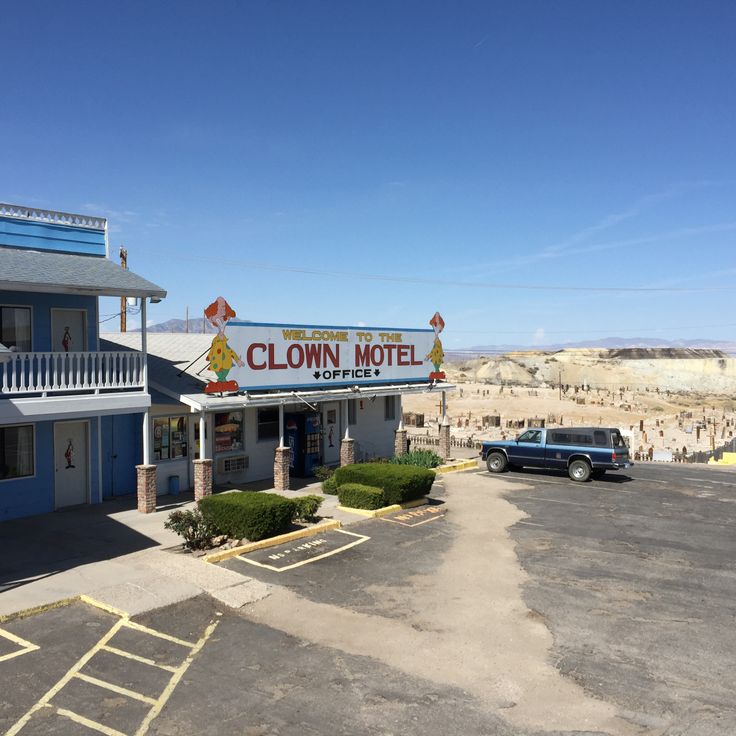
This motel in Tonopah houses over 2000 clown figurines and decorations throughout its rooms and reception area, representing the unusual attractions that Nevada offers beyond its casinos.
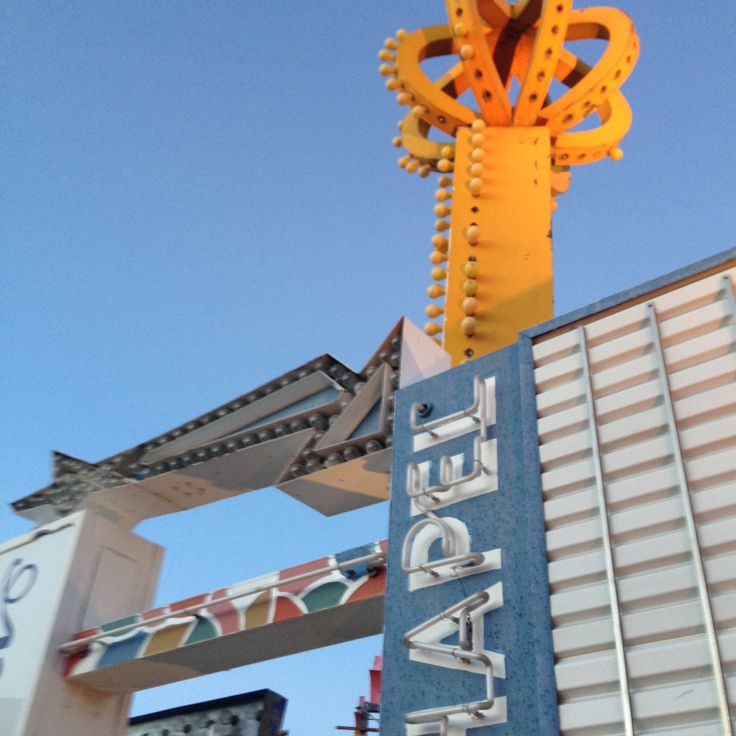
This outdoor museum displays retired neon signs from Las Vegas history. The collection includes hundreds of historic signs from hotels, casinos and businesses that lined the city streets from the 1930s to the present day. The Neon Boneyard documents the evolution of commercial signage and preserves examples of different design styles and fabrication techniques. Guided tours explain the history of individual signs and their original locations.
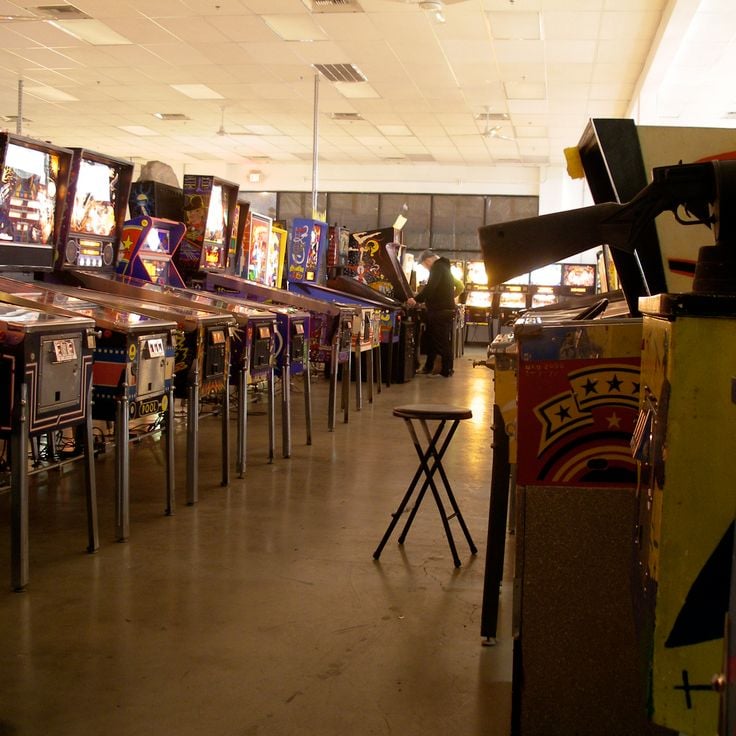
This gaming hall brings together more than 200 pinball machines from different decades, all playable by visitors, adding a hands-on museum of arcade history to Nevada's alternative entertainment offerings.
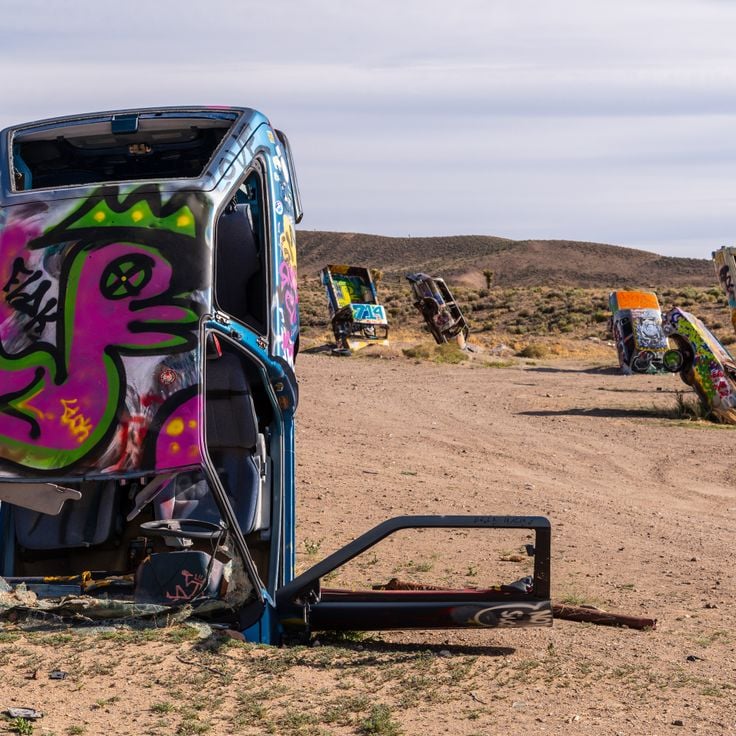
This outdoor gallery features more than 40 cars and trucks buried vertically in the ground and painted with graffiti, representing one of Nevada's most unusual roadside attractions.
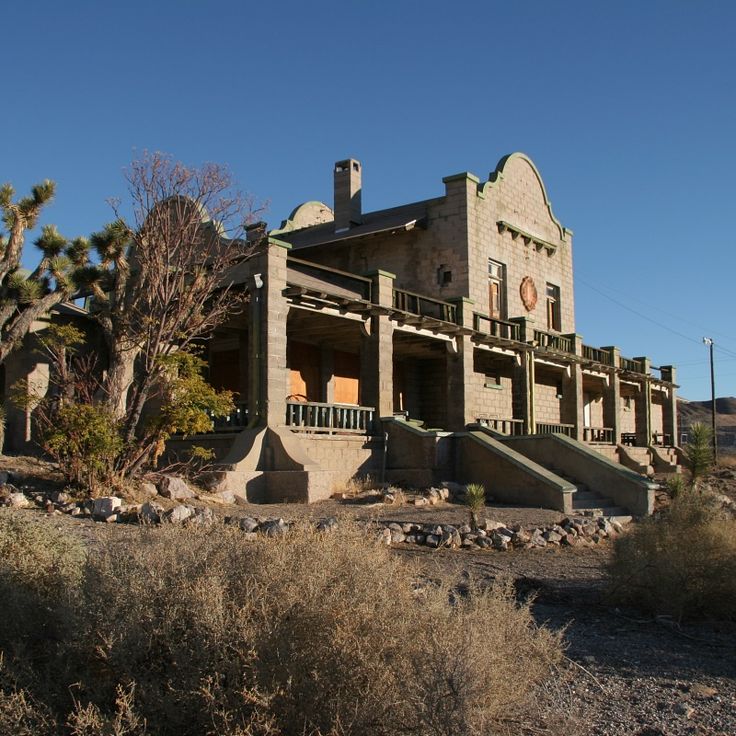
This abandoned settlement from 1905 displays remnants of banks, schools and stores from the gold rush era, adding to Nevada's alternative attractions with an authentic view of the region's early mining life.
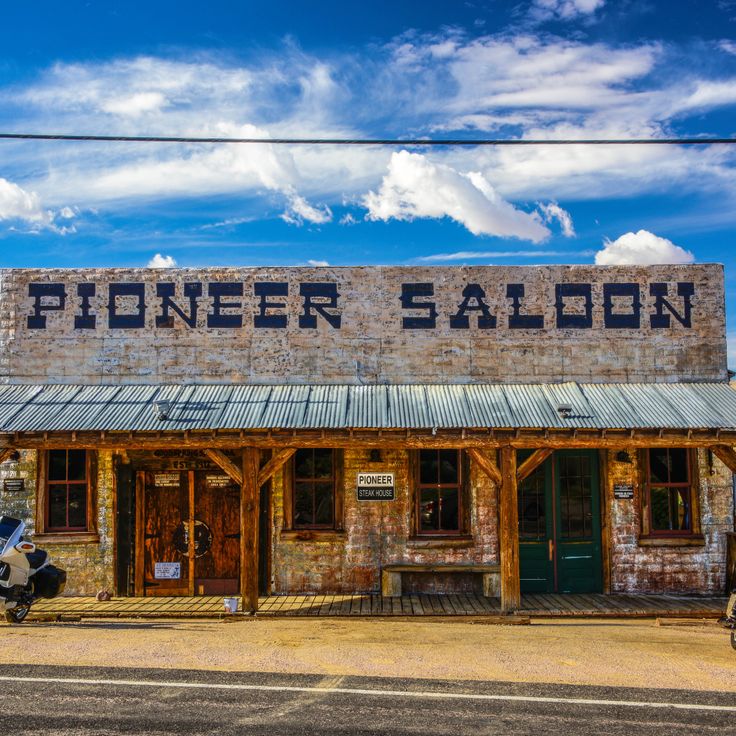
This historic saloon from 1913 preserves its original metal siding, Brunswick bar counter and gathering tables once used by early mining prospectors. The Pioneer Saloon represents Nevada's alternative attractions that extend beyond typical casinos and shows, offering an authentic window into the region's mining heritage.
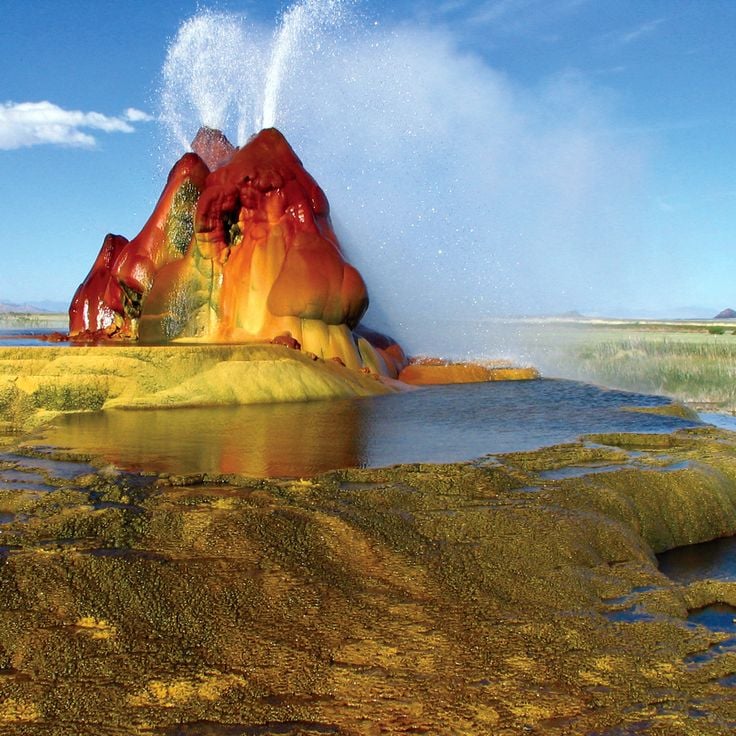
This geyser formed from drilling in 1964 and has built multiple mineral terraces displaying green and red color patterns. The water reaches about 200 degrees Fahrenheit (93 degrees Celsius) and has created a structure of calcium carbonate through continuous flow over the decades. Fly Ranch Geyser sits on private land roughly 20 miles (32 kilometers) north of Gerlach and is part of Nevada's alternative attractions that include clown collections and car art alongside geological features.
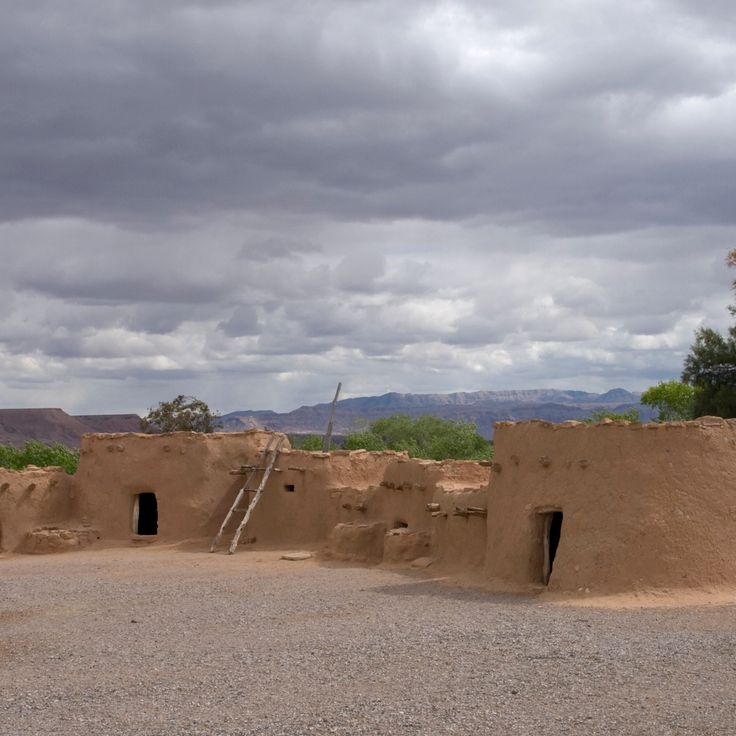
This museum presents archaeological findings from Anasazi culture and documents early inhabitants of the Moapa Valley, including pottery, tools and reconstructed pueblo structures. Lost City Museum adds to Nevada's alternative entertainment offerings with insight into prehistoric settlements excavated in the 1930s before the construction of Hoover Dam.
This 726-foot (221-meter) concrete dam on the Colorado River has generated power for Nevada, Arizona and California since 1936 and ranks among the most recognized engineering structures in the United States. A visitor center and observation platforms explain the history and operation of the dam.
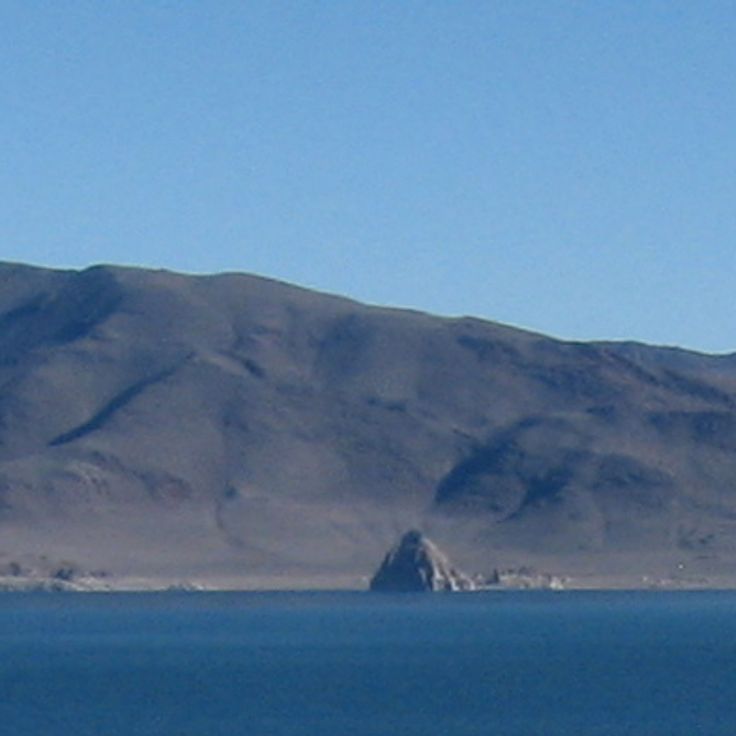
This desert saline lake sits about 35 miles (56 kilometers) northeast of Reno and takes its name from a prominent limestone tufa formation. The body of water extends over roughly 190 square miles (490 square kilometers) and reaches depths up to 350 feet (107 meters). The lake provides critical habitat for migratory birds along the Pacific Flyway and sustains the cui-ui, an endemic sucker species, and Lahontan cutthroat trout. The shoreline displays various tufa formations created by deposits from a prehistoric lake. Pyramid Lake receives its primary inflow from the Truckee River and is owned and managed by the Paiute tribe. Visitors can fish, boat and explore the geological formations along the shore.
This resort on the western edge of the Las Vegas Strip holds 716 suites and a 7,000-square-foot (650-square-meter) casino floor with table games and slot machines. The property includes an Italian restaurant, a steakhouse, a pool area with a sun deck and a fitness room. The hotel provides meeting spaces for business events and sits near golf courses and shopping options, making it an accessible alternative to the larger resorts along the main boulevard.
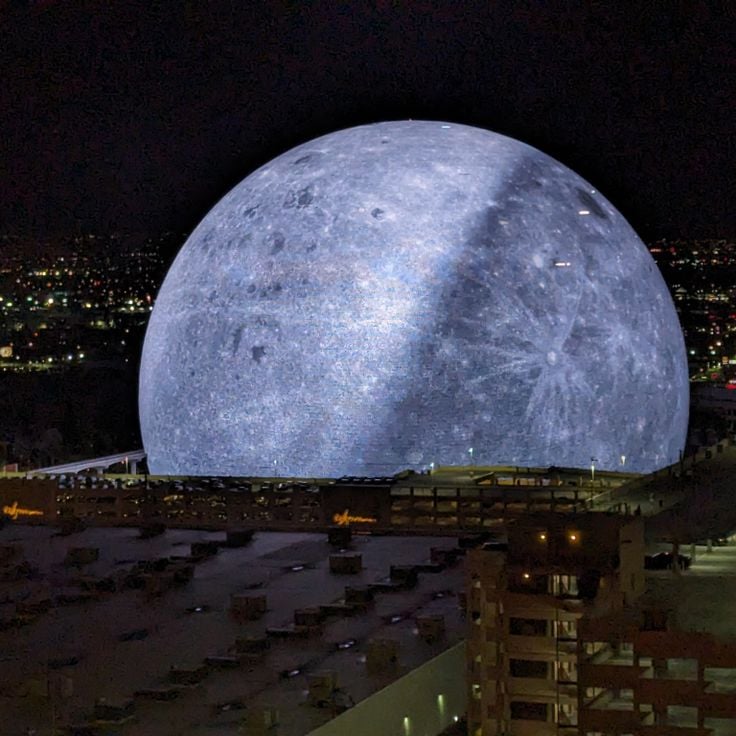
This spherical concert venue in Paradise features an LED exterior measuring 366 feet (112 meters) wide and 516 feet (157 meters) tall with capacity for 20,000 spectators, expanding Nevada's alternative entertainment options with a technologically advanced performance format.
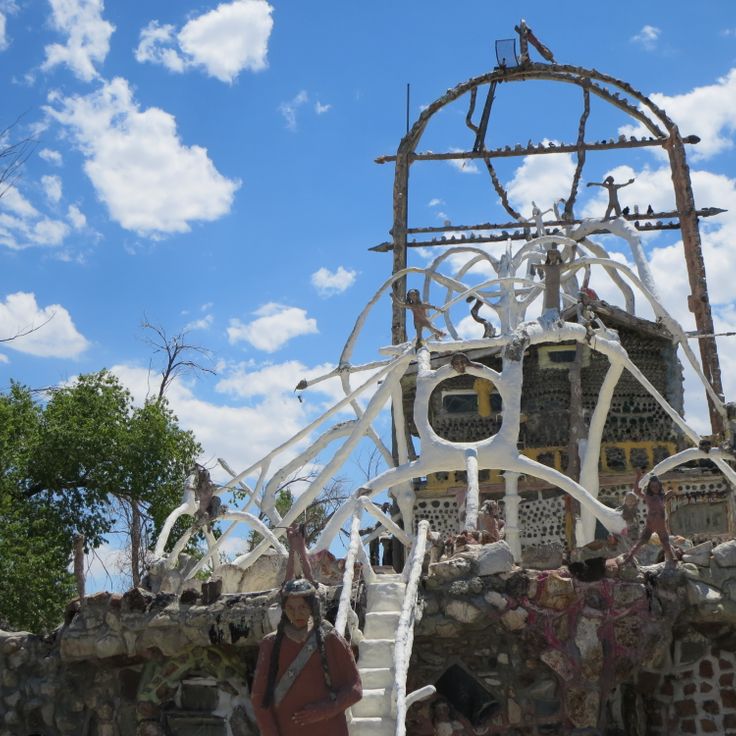
This monument in Imlay consists of concrete sculptures and structures built by a single artist across five acres from 1969 to 1989, representing one of Nevada's alternative attractions. The installation combines monumental figures with personal vision in the tradition of American visionary art environments. Visitors encounter towers, reliefs and sculptures addressing themes from American history and personal mythology. The site stands along a desert stretch off Interstate 80 in northern Nevada.
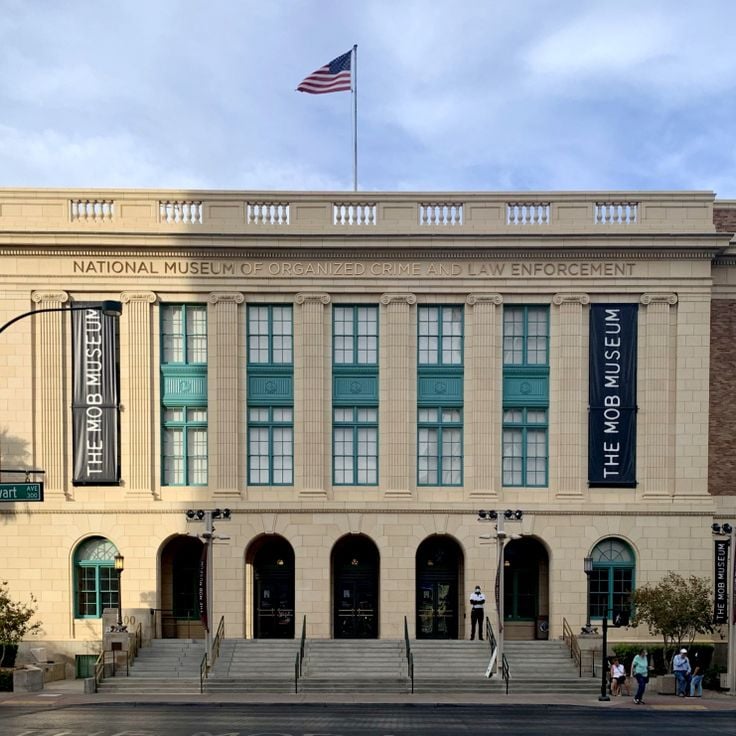
This three-story museum presents exhibits on the history of American organized crime and federal law enforcement in the United States. The Mob Museum documents the evolution of criminal organizations, major investigations and the methods used by law enforcement agencies. Visitors find original artifacts, interactive displays and historical documents that examine the relationship between crime syndicates and investigators from Prohibition to the present day.
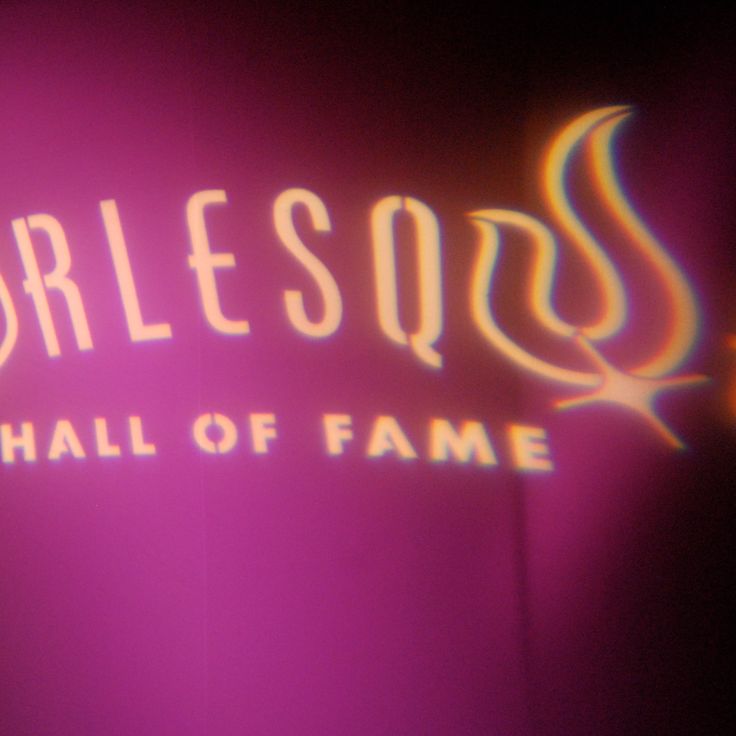
This museum displays historical costumes, props and photographs documenting the history of American burlesque from 1880 to the present. The collection traces the evolution of this entertainment form, which holds a place among Nevada's alternative attractions. Exhibits include stage costumes worn by notable performers, original props from historical shows and photographic archive material.
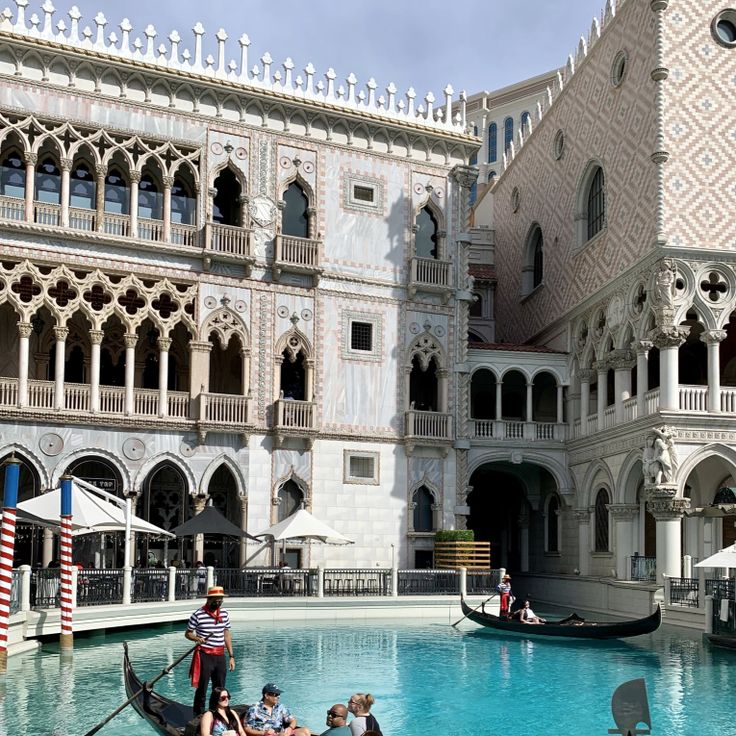
These gondola rides at the Venetian Hotel follow canals through climate-controlled interior spaces and outdoor sections. Gondoliers steer the boats while performing Italian songs during the journey. The waterways pass beneath bridges and along recreated Venetian facades. Each ride lasts approximately twelve minutes and provides a stylized interpretation of Venetian canal traditions within a casino resort setting.
This outdoor art installation consists of seven columns reaching up to 30 feet (9 meters) in height, constructed from stacked, colorfully painted local boulders set in the Mojave Desert, offering a contrast to the stark landscape that expands Nevada's alternative attractions.
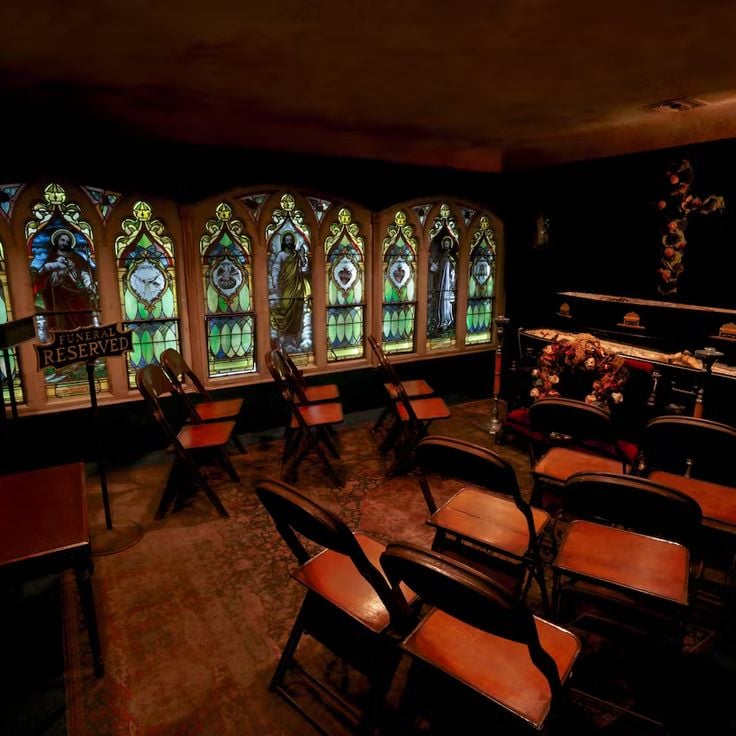
This Las Vegas museum displays objects with purported paranormal histories inside a 1938 historic mansion. Guided tours lead visitors through thirty rooms containing artifacts related to the occult, true crime, and American pop culture. The collection includes horror movie props, personal items from serial killers, and objects said to possess supernatural properties. The building itself stands as a historic example of colonial architecture in the desert city and once served as residence to prominent figures.
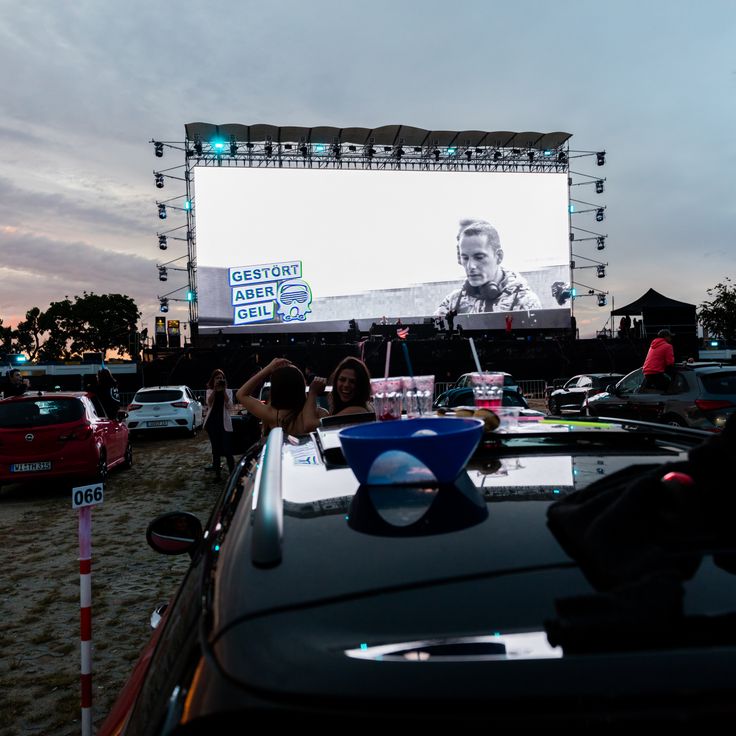
This drive-in theater shows films on multiple screens using digital projection and offers a classic outdoor cinema experience that fits within Nevada's collection of alternative entertainment venues. A concession stand sells snacks and beverages while moviegoers watch from their own vehicles.
These thermal springs along the Colorado River are accessible via a 2-mile (3.2-kilometer) trail with rope sections and rock scrambling passages, contributing to Nevada's alternative entertainment offerings.
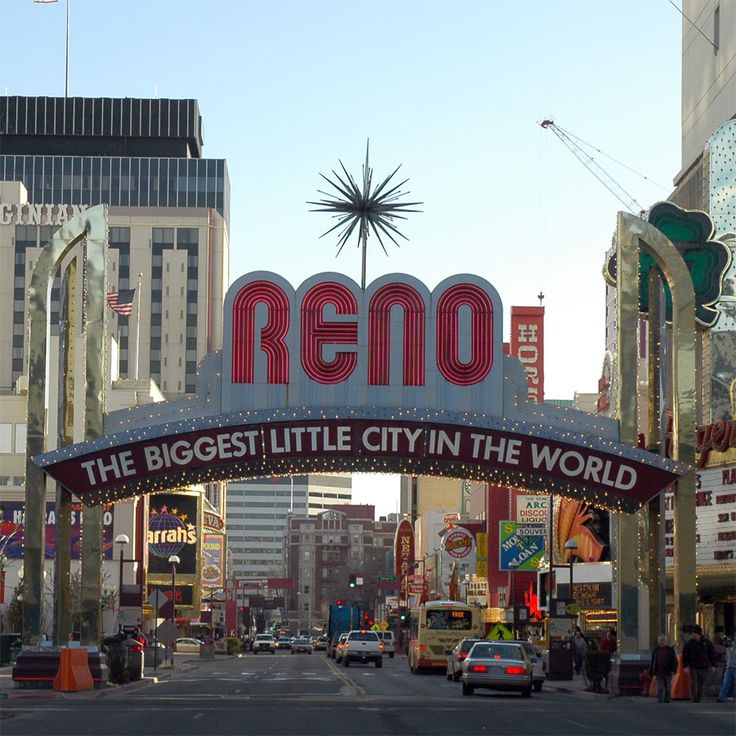
This metal structure with neon lights spans Virginia Street and displays the city slogan of Reno. The arch marks the downtown center and stands among the characteristic attractions of Nevada that differ from typical tourist sites. The structure is a publicly accessible landmark that visitors can view at any time and documents the evolution of the city since 1926.
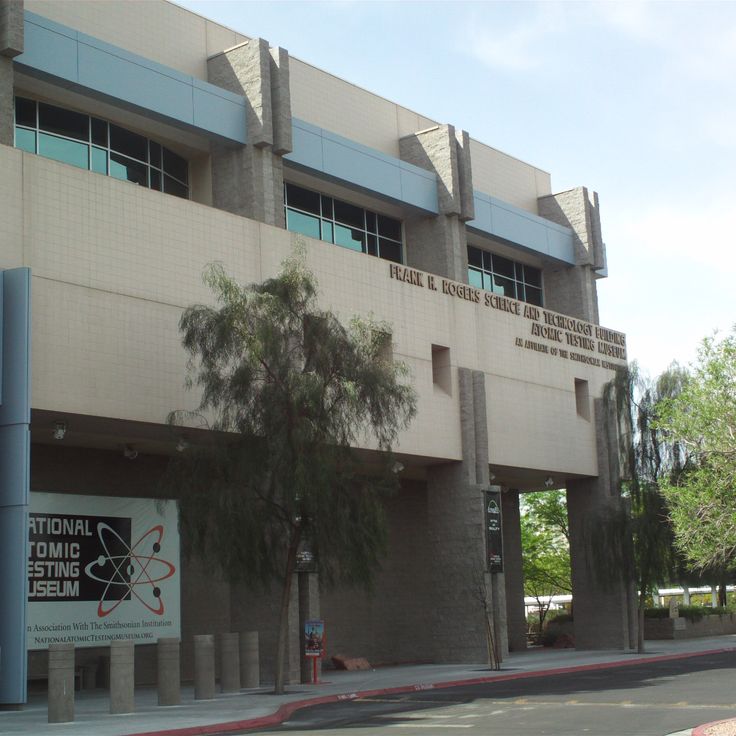
This museum documents atomic weapons tests conducted in the Nevada desert between 1951 and 1992. The collection displays historical documents, photographs and equipment that illustrate scientific and military aspects of nuclear research. Visitors find test artifacts, measurement instruments and information about the impact of testing programs.
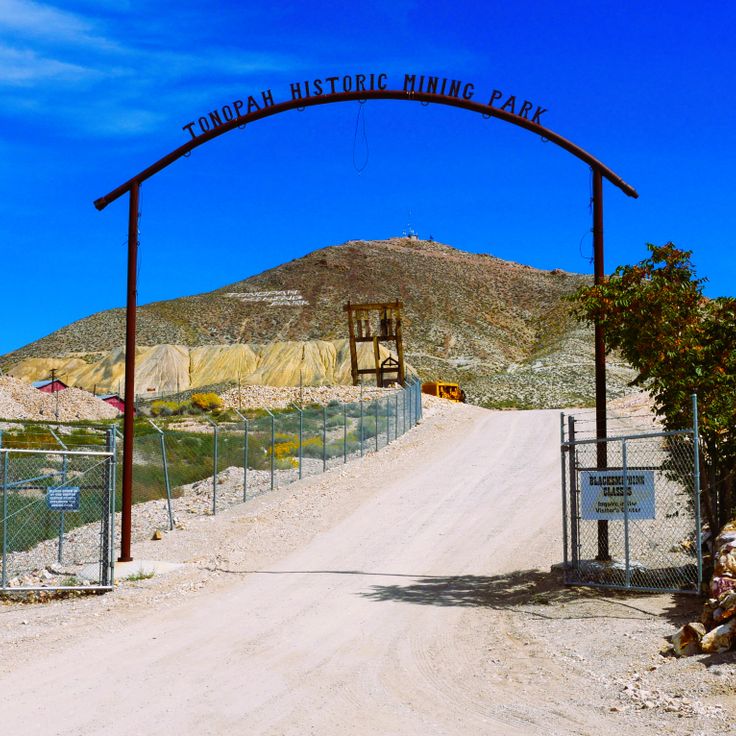
This open-air museum spans 45 acres (18 hectares) and preserves original mining structures from Tonopah's silver boom. The park provides access to historic tunnels, heavy machinery and hand tools that document the industrial operations of early 20th-century mines. The site ranks among Nevada's most complete records of hard-rock mining technology.
Bonnie Springs Ranch is a collection of reconstructed 19th century buildings in Blue Diamond. The ranch museum presents the life of early Nevada settlers and contributes to understanding the regional history that forms part of Nevada's alternative entertainment offerings.
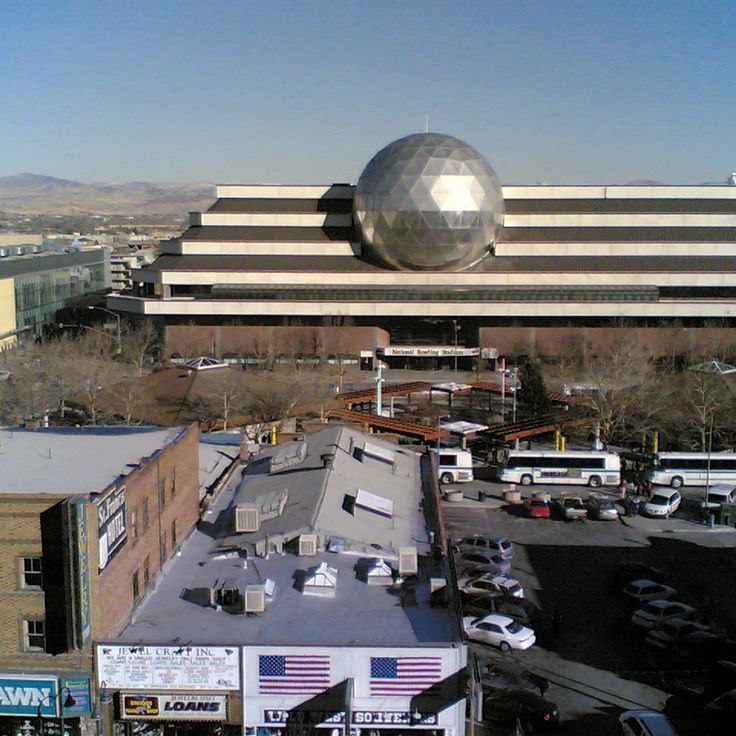
This bowling facility in Reno features 78 lanes, seating for 1,200 spectators and a 4-story screen for tournament broadcasts, adding to Nevada's alternative entertainment options as a venue for professional competition and public play.
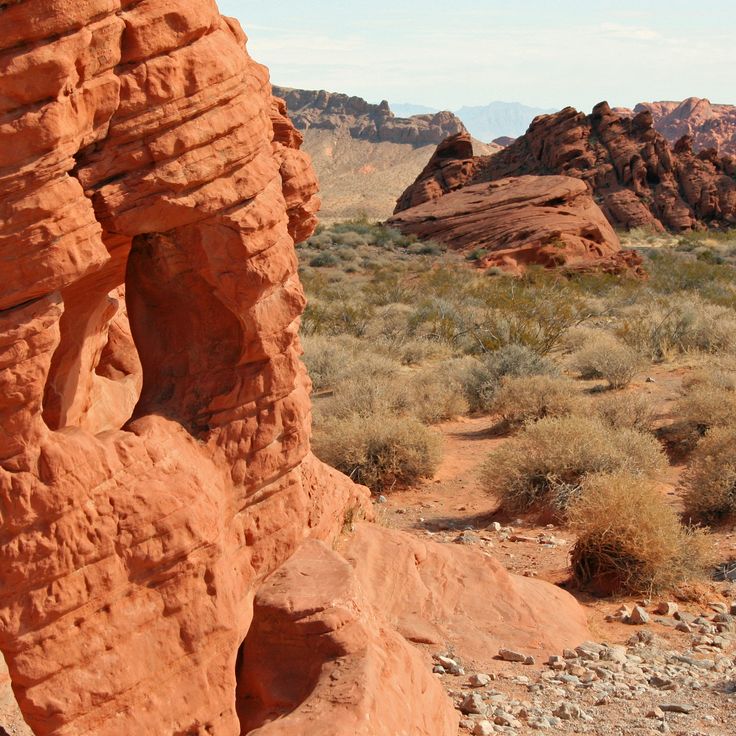
This 40,000-acre park in Nevada, established in 1935, preserves red sandstone formations and prehistoric rock art created by Native Americans around 300 BCE. Petroglyphs on the rock walls document earlier inhabitants of the region. Hiking trails lead through canyons and past geological formations shaped by wind and water over thousands of years. Visitors can view the rock art panels along marked routes and experience the distinctive red coloring of the stone, which gives the park its name.
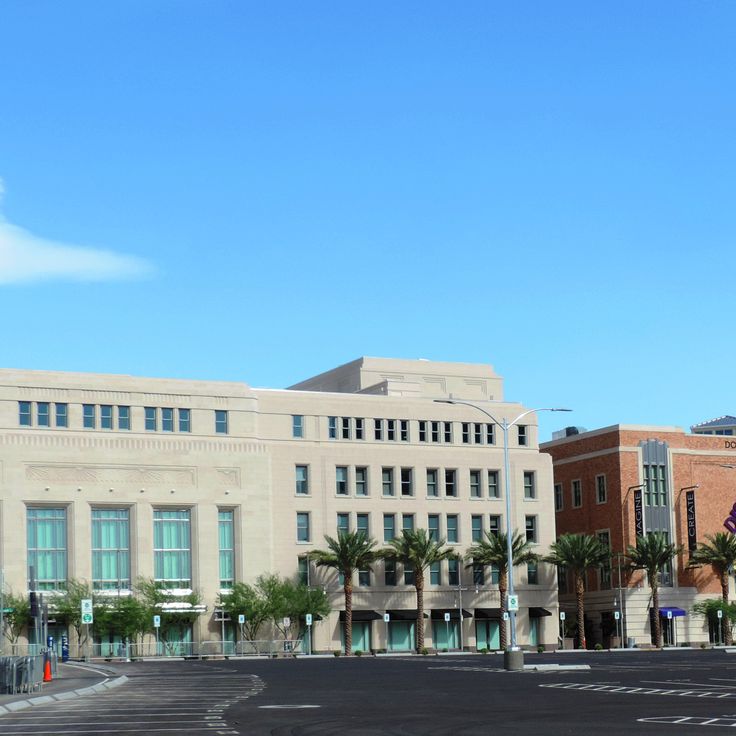
This arts center features three theaters totaling 2,050 seats and serves as a major cultural venue in Las Vegas, presenting operas, symphonies and dance performances amid the city's casinos and entertainment venues. The Art Deco facility expands Nevada's alternative entertainment offerings with a program of classical performing arts in a region traditionally known for its gambling establishments.
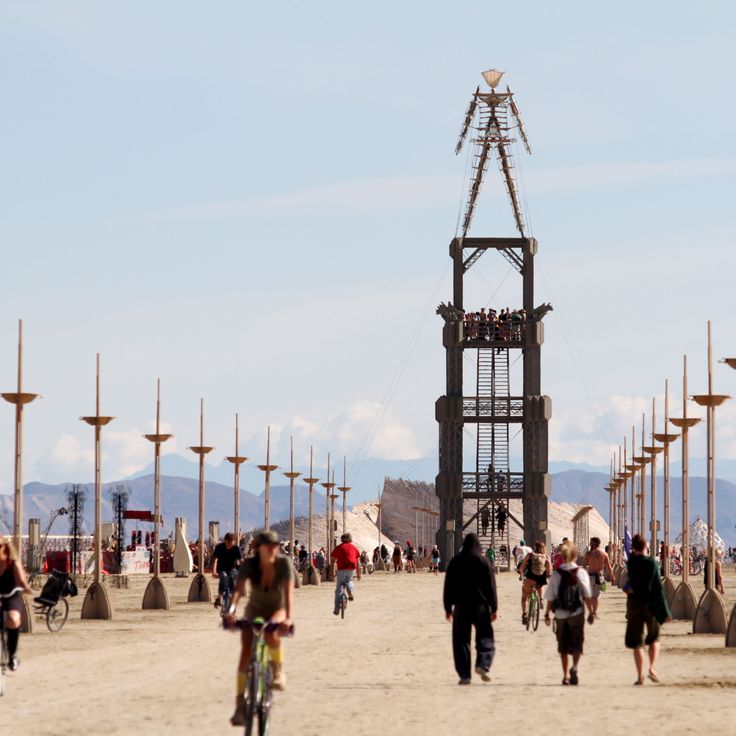
This weeklong festival in the Black Rock Desert annually gathers around 80,000 participants who construct a temporary city and present large-scale art installations, musical performances and theatrical displays. Burning Man represents Nevada's alternative entertainment scene through radical self-expression, communal creativity and gift economy principles, concluding with the dismantling of all structures and restoration of the desert to its original state.
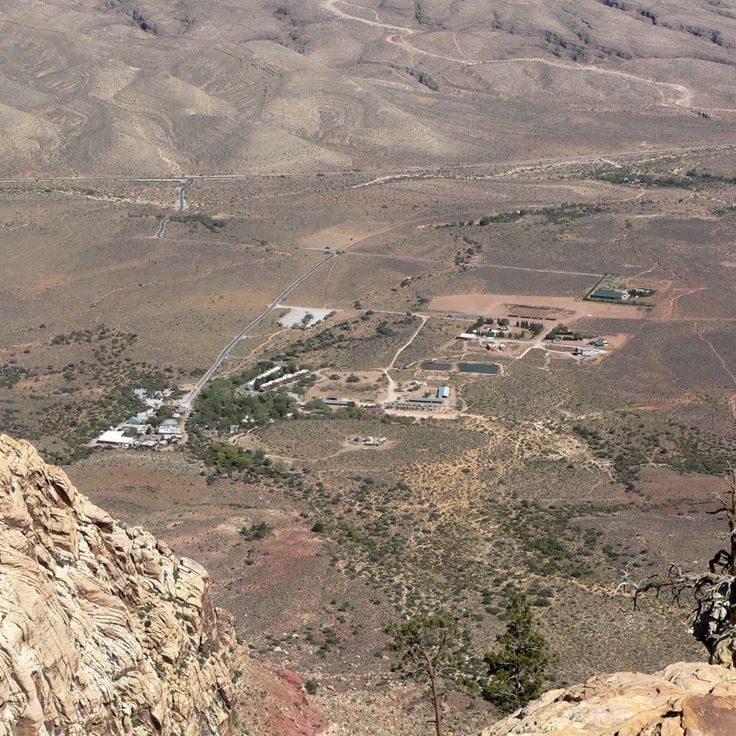
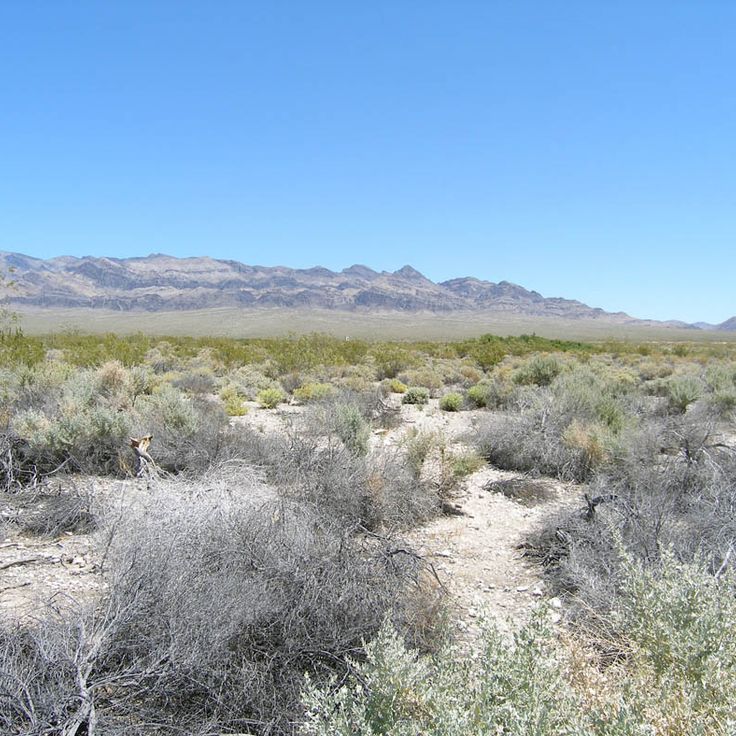
This refuge northwest of Las Vegas extends across six mountain ranges and supports desert bighorn sheep populations alongside more than 320 bird species, contributing to Nevada's diverse natural attractions.
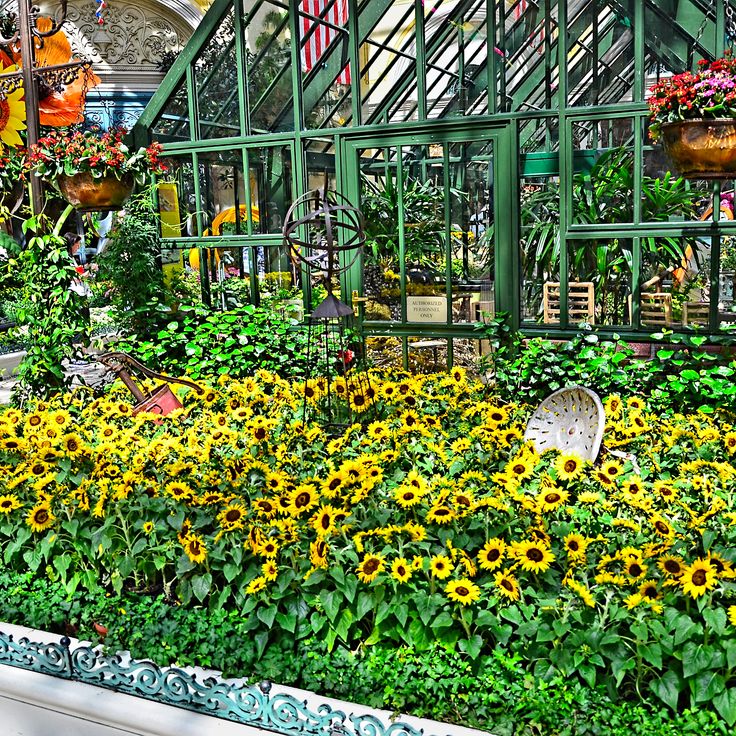
This garden presents new floral arrangements four times a year featuring over 10,000 plants and handcrafted decorations across 14,000 square feet (1,300 square meters). The displays change with the seasons and add to Nevada's alternative entertainment offerings between neon signs and desert landscapes. Horticulturists and decorators create themed displays with living plants that occupy the hotel's public space.
This historic school in Carson City opened in 1890 and features stone buildings that now serve as a museum. The exhibits and artifacts document the history of Nevada's indigenous peoples and provide insight into the late 19th and early 20th century education policies that aimed to assimilate Native Americans.
This motel in Tonopah houses over 2000 clown figurines and decorations throughout its rooms and reception area, representing the unusual attractions that Nevada offers beyond its casinos.
This outdoor museum displays retired neon signs from Las Vegas history. The collection includes hundreds of historic signs from hotels, casinos and businesses that lined the city streets from the 1930s to the present day. The Neon Boneyard documents the evolution of commercial signage and preserves examples of different design styles and fabrication techniques. Guided tours explain the history of individual signs and their original locations.
This gaming hall brings together more than 200 pinball machines from different decades, all playable by visitors, adding a hands-on museum of arcade history to Nevada's alternative entertainment offerings.
This outdoor gallery features more than 40 cars and trucks buried vertically in the ground and painted with graffiti, representing one of Nevada's most unusual roadside attractions.
This abandoned settlement from 1905 displays remnants of banks, schools and stores from the gold rush era, adding to Nevada's alternative attractions with an authentic view of the region's early mining life.
This historic saloon from 1913 preserves its original metal siding, Brunswick bar counter and gathering tables once used by early mining prospectors. The Pioneer Saloon represents Nevada's alternative attractions that extend beyond typical casinos and shows, offering an authentic window into the region's mining heritage.
This geyser formed from drilling in 1964 and has built multiple mineral terraces displaying green and red color patterns. The water reaches about 200 degrees Fahrenheit (93 degrees Celsius) and has created a structure of calcium carbonate through continuous flow over the decades. Fly Ranch Geyser sits on private land roughly 20 miles (32 kilometers) north of Gerlach and is part of Nevada's alternative attractions that include clown collections and car art alongside geological features.
This museum presents archaeological findings from Anasazi culture and documents early inhabitants of the Moapa Valley, including pottery, tools and reconstructed pueblo structures. Lost City Museum adds to Nevada's alternative entertainment offerings with insight into prehistoric settlements excavated in the 1930s before the construction of Hoover Dam.
This 726-foot (221-meter) concrete dam on the Colorado River has generated power for Nevada, Arizona and California since 1936 and ranks among the most recognized engineering structures in the United States. A visitor center and observation platforms explain the history and operation of the dam.
This desert saline lake sits about 35 miles (56 kilometers) northeast of Reno and takes its name from a prominent limestone tufa formation. The body of water extends over roughly 190 square miles (490 square kilometers) and reaches depths up to 350 feet (107 meters). The lake provides critical habitat for migratory birds along the Pacific Flyway and sustains the cui-ui, an endemic sucker species, and Lahontan cutthroat trout. The shoreline displays various tufa formations created by deposits from a prehistoric lake. Pyramid Lake receives its primary inflow from the Truckee River and is owned and managed by the Paiute tribe. Visitors can fish, boat and explore the geological formations along the shore.
This resort on the western edge of the Las Vegas Strip holds 716 suites and a 7,000-square-foot (650-square-meter) casino floor with table games and slot machines. The property includes an Italian restaurant, a steakhouse, a pool area with a sun deck and a fitness room. The hotel provides meeting spaces for business events and sits near golf courses and shopping options, making it an accessible alternative to the larger resorts along the main boulevard.
This spherical concert venue in Paradise features an LED exterior measuring 366 feet (112 meters) wide and 516 feet (157 meters) tall with capacity for 20,000 spectators, expanding Nevada's alternative entertainment options with a technologically advanced performance format.
This monument in Imlay consists of concrete sculptures and structures built by a single artist across five acres from 1969 to 1989, representing one of Nevada's alternative attractions. The installation combines monumental figures with personal vision in the tradition of American visionary art environments. Visitors encounter towers, reliefs and sculptures addressing themes from American history and personal mythology. The site stands along a desert stretch off Interstate 80 in northern Nevada.
This three-story museum presents exhibits on the history of American organized crime and federal law enforcement in the United States. The Mob Museum documents the evolution of criminal organizations, major investigations and the methods used by law enforcement agencies. Visitors find original artifacts, interactive displays and historical documents that examine the relationship between crime syndicates and investigators from Prohibition to the present day.
This museum displays historical costumes, props and photographs documenting the history of American burlesque from 1880 to the present. The collection traces the evolution of this entertainment form, which holds a place among Nevada's alternative attractions. Exhibits include stage costumes worn by notable performers, original props from historical shows and photographic archive material.
These gondola rides at the Venetian Hotel follow canals through climate-controlled interior spaces and outdoor sections. Gondoliers steer the boats while performing Italian songs during the journey. The waterways pass beneath bridges and along recreated Venetian facades. Each ride lasts approximately twelve minutes and provides a stylized interpretation of Venetian canal traditions within a casino resort setting.
This outdoor art installation consists of seven columns reaching up to 30 feet (9 meters) in height, constructed from stacked, colorfully painted local boulders set in the Mojave Desert, offering a contrast to the stark landscape that expands Nevada's alternative attractions.
This Las Vegas museum displays objects with purported paranormal histories inside a 1938 historic mansion. Guided tours lead visitors through thirty rooms containing artifacts related to the occult, true crime, and American pop culture. The collection includes horror movie props, personal items from serial killers, and objects said to possess supernatural properties. The building itself stands as a historic example of colonial architecture in the desert city and once served as residence to prominent figures.
This drive-in theater shows films on multiple screens using digital projection and offers a classic outdoor cinema experience that fits within Nevada's collection of alternative entertainment venues. A concession stand sells snacks and beverages while moviegoers watch from their own vehicles.
These thermal springs along the Colorado River are accessible via a 2-mile (3.2-kilometer) trail with rope sections and rock scrambling passages, contributing to Nevada's alternative entertainment offerings.
This metal structure with neon lights spans Virginia Street and displays the city slogan of Reno. The arch marks the downtown center and stands among the characteristic attractions of Nevada that differ from typical tourist sites. The structure is a publicly accessible landmark that visitors can view at any time and documents the evolution of the city since 1926.
This museum documents atomic weapons tests conducted in the Nevada desert between 1951 and 1992. The collection displays historical documents, photographs and equipment that illustrate scientific and military aspects of nuclear research. Visitors find test artifacts, measurement instruments and information about the impact of testing programs.
This open-air museum spans 45 acres (18 hectares) and preserves original mining structures from Tonopah's silver boom. The park provides access to historic tunnels, heavy machinery and hand tools that document the industrial operations of early 20th-century mines. The site ranks among Nevada's most complete records of hard-rock mining technology.
Bonnie Springs Ranch is a collection of reconstructed 19th century buildings in Blue Diamond. The ranch museum presents the life of early Nevada settlers and contributes to understanding the regional history that forms part of Nevada's alternative entertainment offerings.
This bowling facility in Reno features 78 lanes, seating for 1,200 spectators and a 4-story screen for tournament broadcasts, adding to Nevada's alternative entertainment options as a venue for professional competition and public play.
This 40,000-acre park in Nevada, established in 1935, preserves red sandstone formations and prehistoric rock art created by Native Americans around 300 BCE. Petroglyphs on the rock walls document earlier inhabitants of the region. Hiking trails lead through canyons and past geological formations shaped by wind and water over thousands of years. Visitors can view the rock art panels along marked routes and experience the distinctive red coloring of the stone, which gives the park its name.
This arts center features three theaters totaling 2,050 seats and serves as a major cultural venue in Las Vegas, presenting operas, symphonies and dance performances amid the city's casinos and entertainment venues. The Art Deco facility expands Nevada's alternative entertainment offerings with a program of classical performing arts in a region traditionally known for its gambling establishments.
This weeklong festival in the Black Rock Desert annually gathers around 80,000 participants who construct a temporary city and present large-scale art installations, musical performances and theatrical displays. Burning Man represents Nevada's alternative entertainment scene through radical self-expression, communal creativity and gift economy principles, concluding with the dismantling of all structures and restoration of the desert to its original state.
This refuge northwest of Las Vegas extends across six mountain ranges and supports desert bighorn sheep populations alongside more than 320 bird species, contributing to Nevada's diverse natural attractions.
This garden presents new floral arrangements four times a year featuring over 10,000 plants and handcrafted decorations across 14,000 square feet (1,300 square meters). The displays change with the seasons and add to Nevada's alternative entertainment offerings between neon signs and desert landscapes. Horticulturists and decorators create themed displays with living plants that occupy the hotel's public space.
This historic school in Carson City opened in 1890 and features stone buildings that now serve as a museum. The exhibits and artifacts document the history of Nevada's indigenous peoples and provide insight into the late 19th and early 20th century education policies that aimed to assimilate Native Americans.
This motel in Tonopah houses over 2000 clown figurines and decorations throughout its rooms and reception area, representing the unusual attractions that Nevada offers beyond its casinos.
This outdoor museum displays retired neon signs from Las Vegas history. The collection includes hundreds of historic signs from hotels, casinos and businesses that lined the city streets from the 1930s to the present day. The Neon Boneyard documents the evolution of commercial signage and preserves examples of different design styles and fabrication techniques. Guided tours explain the history of individual signs and their original locations.
This gaming hall brings together more than 200 pinball machines from different decades, all playable by visitors, adding a hands-on museum of arcade history to Nevada's alternative entertainment offerings.
This outdoor gallery features more than 40 cars and trucks buried vertically in the ground and painted with graffiti, representing one of Nevada's most unusual roadside attractions.
This abandoned settlement from 1905 displays remnants of banks, schools and stores from the gold rush era, adding to Nevada's alternative attractions with an authentic view of the region's early mining life.
This historic saloon from 1913 preserves its original metal siding, Brunswick bar counter and gathering tables once used by early mining prospectors. The Pioneer Saloon represents Nevada's alternative attractions that extend beyond typical casinos and shows, offering an authentic window into the region's mining heritage.
This geyser formed from drilling in 1964 and has built multiple mineral terraces displaying green and red color patterns. The water reaches about 200 degrees Fahrenheit (93 degrees Celsius) and has created a structure of calcium carbonate through continuous flow over the decades. Fly Ranch Geyser sits on private land roughly 20 miles (32 kilometers) north of Gerlach and is part of Nevada's alternative attractions that include clown collections and car art alongside geological features.
This museum presents archaeological findings from Anasazi culture and documents early inhabitants of the Moapa Valley, including pottery, tools and reconstructed pueblo structures. Lost City Museum adds to Nevada's alternative entertainment offerings with insight into prehistoric settlements excavated in the 1930s before the construction of Hoover Dam.
This 726-foot (221-meter) concrete dam on the Colorado River has generated power for Nevada, Arizona and California since 1936 and ranks among the most recognized engineering structures in the United States. A visitor center and observation platforms explain the history and operation of the dam.
This desert saline lake sits about 35 miles (56 kilometers) northeast of Reno and takes its name from a prominent limestone tufa formation. The body of water extends over roughly 190 square miles (490 square kilometers) and reaches depths up to 350 feet (107 meters). The lake provides critical habitat for migratory birds along the Pacific Flyway and sustains the cui-ui, an endemic sucker species, and Lahontan cutthroat trout. The shoreline displays various tufa formations created by deposits from a prehistoric lake. Pyramid Lake receives its primary inflow from the Truckee River and is owned and managed by the Paiute tribe. Visitors can fish, boat and explore the geological formations along the shore.
This resort on the western edge of the Las Vegas Strip holds 716 suites and a 7,000-square-foot (650-square-meter) casino floor with table games and slot machines. The property includes an Italian restaurant, a steakhouse, a pool area with a sun deck and a fitness room. The hotel provides meeting spaces for business events and sits near golf courses and shopping options, making it an accessible alternative to the larger resorts along the main boulevard.
This spherical concert venue in Paradise features an LED exterior measuring 366 feet (112 meters) wide and 516 feet (157 meters) tall with capacity for 20,000 spectators, expanding Nevada's alternative entertainment options with a technologically advanced performance format.
This monument in Imlay consists of concrete sculptures and structures built by a single artist across five acres from 1969 to 1989, representing one of Nevada's alternative attractions. The installation combines monumental figures with personal vision in the tradition of American visionary art environments. Visitors encounter towers, reliefs and sculptures addressing themes from American history and personal mythology. The site stands along a desert stretch off Interstate 80 in northern Nevada.
This three-story museum presents exhibits on the history of American organized crime and federal law enforcement in the United States. The Mob Museum documents the evolution of criminal organizations, major investigations and the methods used by law enforcement agencies. Visitors find original artifacts, interactive displays and historical documents that examine the relationship between crime syndicates and investigators from Prohibition to the present day.
This museum displays historical costumes, props and photographs documenting the history of American burlesque from 1880 to the present. The collection traces the evolution of this entertainment form, which holds a place among Nevada's alternative attractions. Exhibits include stage costumes worn by notable performers, original props from historical shows and photographic archive material.
These gondola rides at the Venetian Hotel follow canals through climate-controlled interior spaces and outdoor sections. Gondoliers steer the boats while performing Italian songs during the journey. The waterways pass beneath bridges and along recreated Venetian facades. Each ride lasts approximately twelve minutes and provides a stylized interpretation of Venetian canal traditions within a casino resort setting.
This outdoor art installation consists of seven columns reaching up to 30 feet (9 meters) in height, constructed from stacked, colorfully painted local boulders set in the Mojave Desert, offering a contrast to the stark landscape that expands Nevada's alternative attractions.
This Las Vegas museum displays objects with purported paranormal histories inside a 1938 historic mansion. Guided tours lead visitors through thirty rooms containing artifacts related to the occult, true crime, and American pop culture. The collection includes horror movie props, personal items from serial killers, and objects said to possess supernatural properties. The building itself stands as a historic example of colonial architecture in the desert city and once served as residence to prominent figures.
This drive-in theater shows films on multiple screens using digital projection and offers a classic outdoor cinema experience that fits within Nevada's collection of alternative entertainment venues. A concession stand sells snacks and beverages while moviegoers watch from their own vehicles.
These thermal springs along the Colorado River are accessible via a 2-mile (3.2-kilometer) trail with rope sections and rock scrambling passages, contributing to Nevada's alternative entertainment offerings.
This metal structure with neon lights spans Virginia Street and displays the city slogan of Reno. The arch marks the downtown center and stands among the characteristic attractions of Nevada that differ from typical tourist sites. The structure is a publicly accessible landmark that visitors can view at any time and documents the evolution of the city since 1926.
This museum documents atomic weapons tests conducted in the Nevada desert between 1951 and 1992. The collection displays historical documents, photographs and equipment that illustrate scientific and military aspects of nuclear research. Visitors find test artifacts, measurement instruments and information about the impact of testing programs.
This open-air museum spans 45 acres (18 hectares) and preserves original mining structures from Tonopah's silver boom. The park provides access to historic tunnels, heavy machinery and hand tools that document the industrial operations of early 20th-century mines. The site ranks among Nevada's most complete records of hard-rock mining technology.
Bonnie Springs Ranch is a collection of reconstructed 19th century buildings in Blue Diamond. The ranch museum presents the life of early Nevada settlers and contributes to understanding the regional history that forms part of Nevada's alternative entertainment offerings.
This bowling facility in Reno features 78 lanes, seating for 1,200 spectators and a 4-story screen for tournament broadcasts, adding to Nevada's alternative entertainment options as a venue for professional competition and public play.
This 40,000-acre park in Nevada, established in 1935, preserves red sandstone formations and prehistoric rock art created by Native Americans around 300 BCE. Petroglyphs on the rock walls document earlier inhabitants of the region. Hiking trails lead through canyons and past geological formations shaped by wind and water over thousands of years. Visitors can view the rock art panels along marked routes and experience the distinctive red coloring of the stone, which gives the park its name.
This arts center features three theaters totaling 2,050 seats and serves as a major cultural venue in Las Vegas, presenting operas, symphonies and dance performances amid the city's casinos and entertainment venues. The Art Deco facility expands Nevada's alternative entertainment offerings with a program of classical performing arts in a region traditionally known for its gambling establishments.
This weeklong festival in the Black Rock Desert annually gathers around 80,000 participants who construct a temporary city and present large-scale art installations, musical performances and theatrical displays. Burning Man represents Nevada's alternative entertainment scene through radical self-expression, communal creativity and gift economy principles, concluding with the dismantling of all structures and restoration of the desert to its original state.
This refuge northwest of Las Vegas extends across six mountain ranges and supports desert bighorn sheep populations alongside more than 320 bird species, contributing to Nevada's diverse natural attractions.
This garden presents new floral arrangements four times a year featuring over 10,000 plants and handcrafted decorations across 14,000 square feet (1,300 square meters). The displays change with the seasons and add to Nevada's alternative entertainment offerings between neon signs and desert landscapes. Horticulturists and decorators create themed displays with living plants that occupy the hotel's public space.
This historic school in Carson City opened in 1890 and features stone buildings that now serve as a museum. The exhibits and artifacts document the history of Nevada's indigenous peoples and provide insight into the late 19th and early 20th century education policies that aimed to assimilate Native Americans.