Fort Ruby, Military fort in Ruby Valley, Nevada.
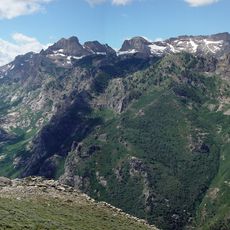
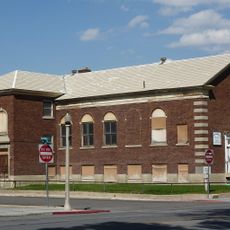
Fort Ruby, also called Camp Ruby, was built in 1862 by the U.S. Army at the east entrance to Overland Pass from Ruby Valley, near the later ghost town of Hobson. Two of its four landmarked log buildings burned in a 1992 fire, and the remaining structures are altered and deteriorated.
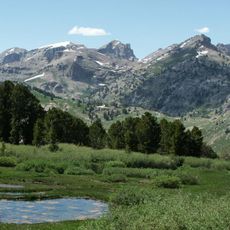
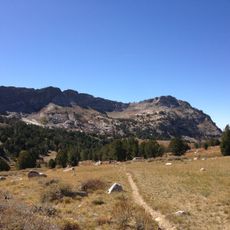
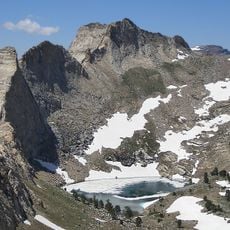
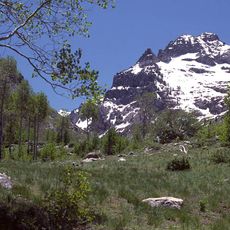
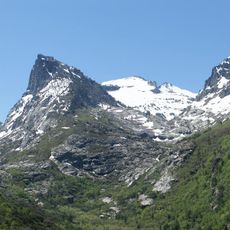
Fort Ruby was built by the U.S. Army in 1862, during the Civil War, in the Ruby Mountains at the east entrance to Overland Pass, to guard the California Trail and Overland Trail mail and emigrant routes. It operated until 1869 in Western Shoshone territory. In October 1863 the Treaty of Ruby Valley was signed there with twelve Western Shoshone chiefs, who ceded no land; the promised $5,000 in yearly annuities stopped after the first year.
The fort's name comes from Ruby Valley, where Western Shoshone bands lived when the Army arrived. In October 1863 the U.S. signed the Treaty of Ruby Valley with twelve Shoshone chiefs, who did not cede territory; the government gained permission for gold mining and promised $5,000 in annuities for 20 years but paid only the first year.
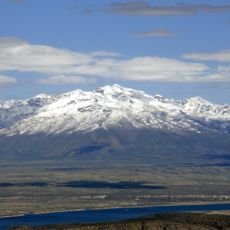
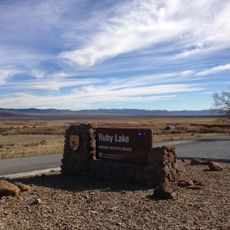
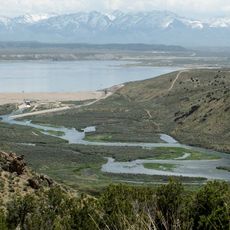
Fort Ruby lies near the abandoned ghost town of Hobson, on the west side of Ruby Lake at the east entrance to Overland Pass, in Elko County with part in White Pine County. The site sits beside Humboldt-Toiyabe National Forest, and since 2002 it has been under federal control, so access is arranged through the U.S. Fish and Wildlife Service and the U.S. Forest Service rather than a private owner.
Fort Ruby was declared a National Historic Landmark in 1961, when several log buildings still stood. Two of the four landmarked buildings burned in 1992, and because the logs were already in poor condition at designation and have deteriorated since, the Department of the Interior is reviewing whether the site keeps its landmark status.
The community of curious travelers
AroundUs brings together thousands of curated places, local tips, and hidden gems, enriched daily by 94,658 contributors worldwide.