Bruneau-Jarbidge caldera, Volcanic caldera in southwestern Idaho, United States.
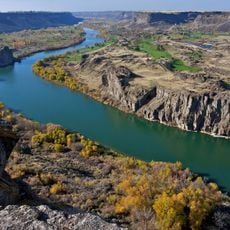
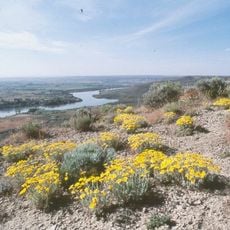
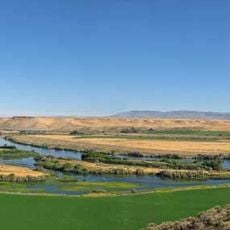
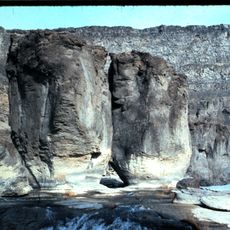
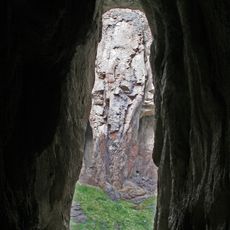
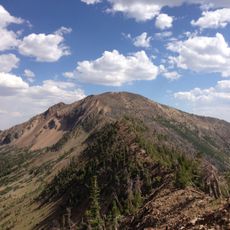
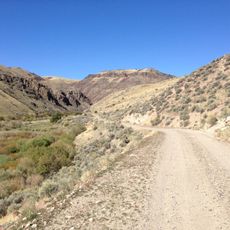
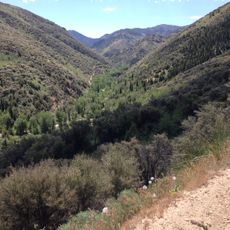
Bruneau-Jarbidge caldera is a large volcanic depression in southwestern Idaho with exposed rock layers that reveal different stages of volcanic activity. The terrain's geology clearly displays structures formed during the period of massive eruptions.
About 10 to 12 million years ago, this volcanic center produced enormous eruptions that scattered ash across much of North America. These ash layers contributed to the formation of important geological and paleontological deposits in distant regions.
Research expeditions to the caldera contribute to scientific understanding of North American volcanic systems and their effects on ancient ecosystems.
Reaching the remote caldera requires four-wheel drive vehicles and careful preparation before visiting. Visitors should bring adequate water, supplies, and either have experience or local guidance for challenging terrain.
The volcanic eruption indirectly contributed to the formation of the Ashfall Fossil Beds in Nebraska, where the ashfall event preserved many animals from that era. The fossils at this distant site document the ecosystem that existed far from the eruption source.
The community of curious travelers
AroundUs brings together thousands of curated places, local tips, and hidden gems, enriched daily by 90,790 contributors worldwide.