Idaho, Northwestern state in the United States
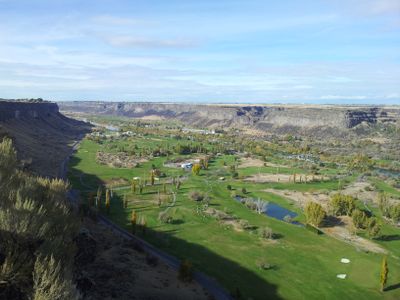
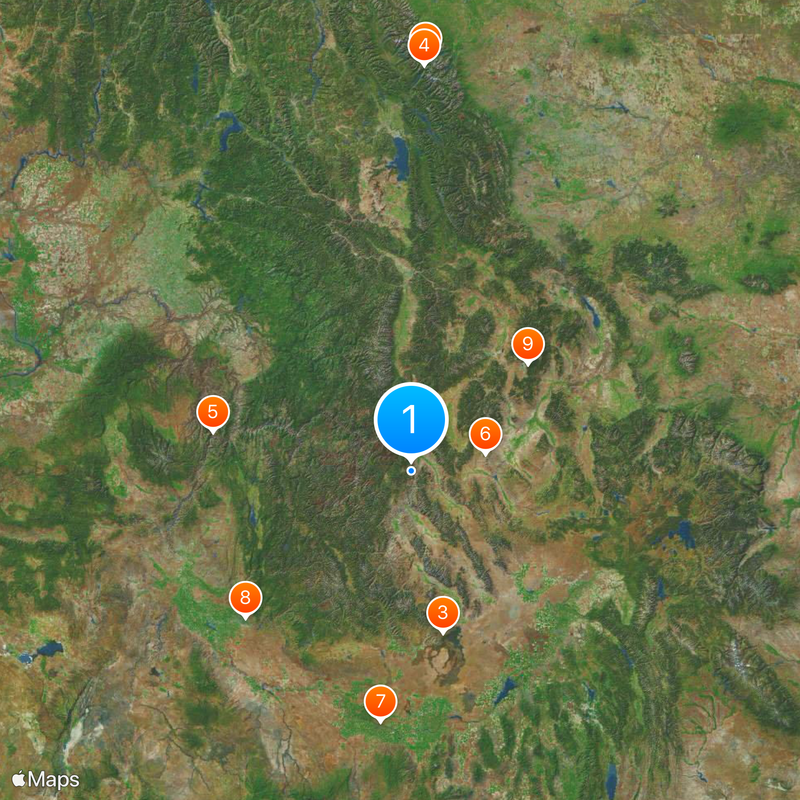
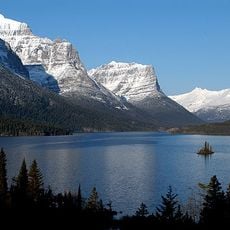
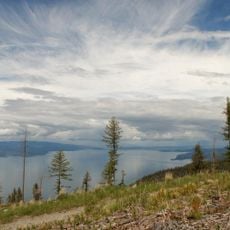
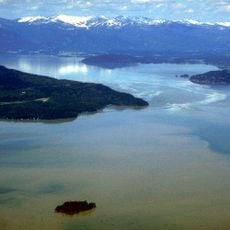
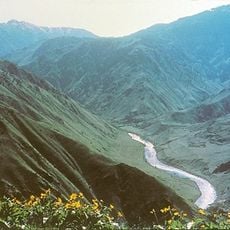
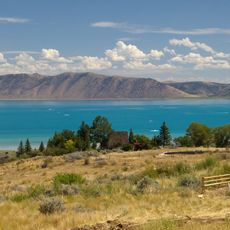
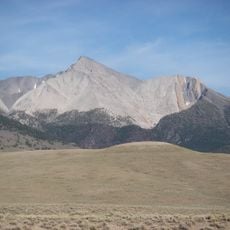
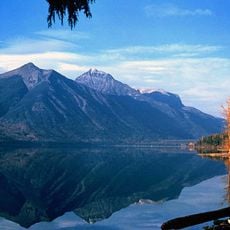
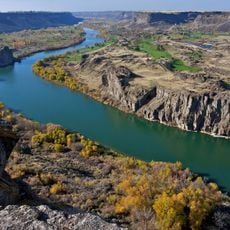
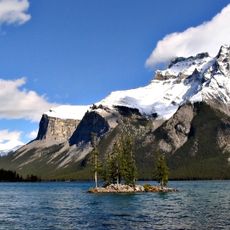
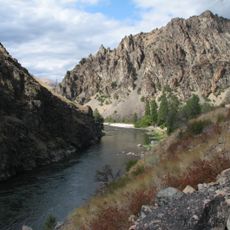
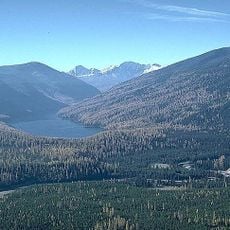
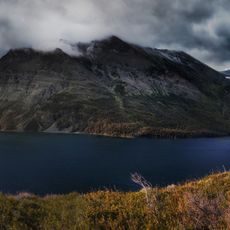
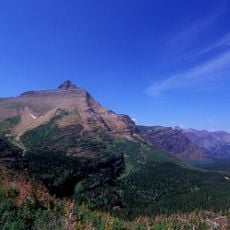
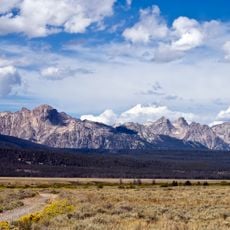
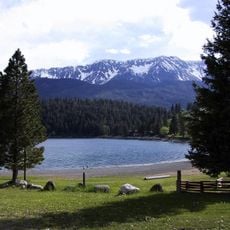
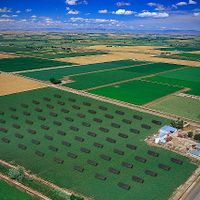
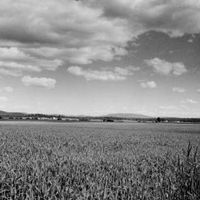
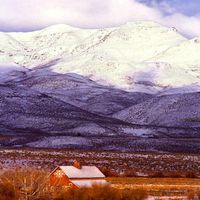
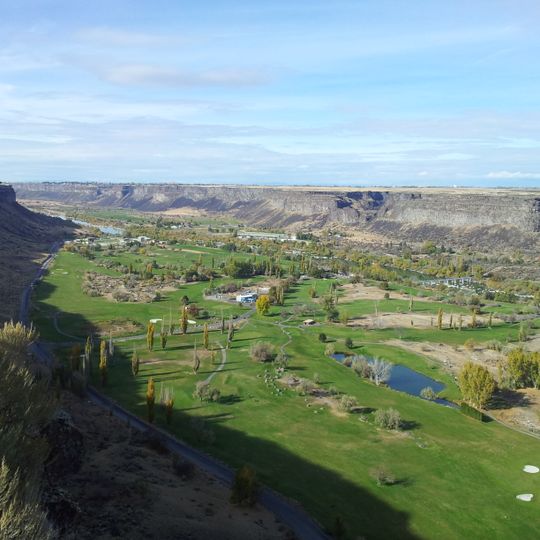
The state stretches between Montana, Washington, Oregon, Nevada, Utah and Wyoming, covering mountain ranges, forests, river systems and farmland. The landscape divides into the Rocky Mountains in the north and east, the fertile Snake River Plain in the center and dry highlands in the south.
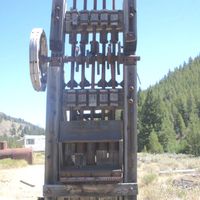
The territory became the 43rd state in 1890, following gold discoveries in the 1860s that drew waves of settlers. Indigenous peoples had lived here for thousands of years before, and their communities remain present throughout the region today.
Local communities maintain the traditions of the Shoshone, Nez Perce and Bannock peoples through festivals, crafts and public ceremonies open to visitors. In rural areas, rodeos and agricultural fairs shape the annual calendar, while cities develop a growing arts scene rooted in regional identity.
Boise International Airport connects the area with other cities and provides access to national parks and recreation areas. Roads cross different climate zones, with mountain passes often difficult to navigate in winter and requiring appropriate preparation.
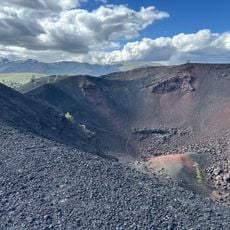
A volcanic field called Craters of the Moon spreads across the Snake River Plain, showing frozen lava flows, cinder cones and underground caves. The black formations resulted from eruptions over the past 15,000 years and offer insight into geological processes that remain ongoing.
The community of curious travelers
AroundUs brings together thousands of curated places, local tips, and hidden gems, enriched daily by 90,763 contributors worldwide.