Glacier National Park, National park in Montana, United States.
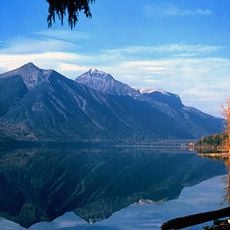
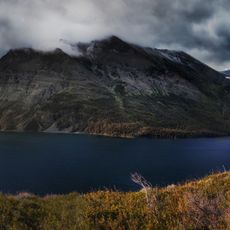
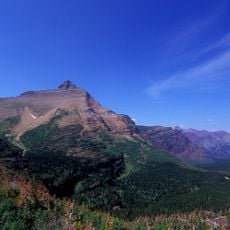
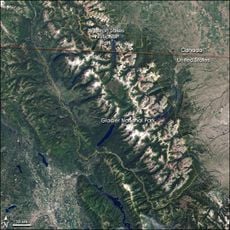
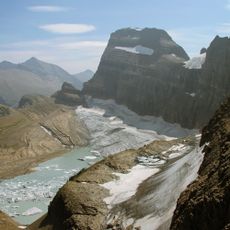
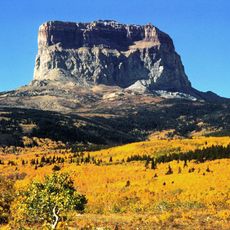
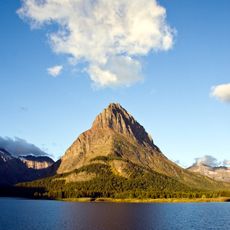
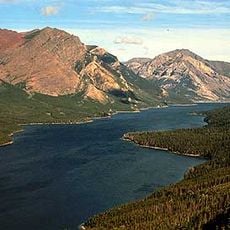
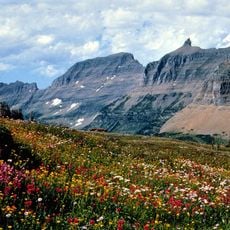
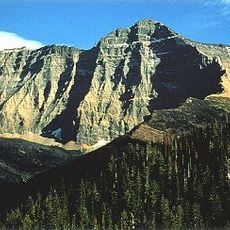
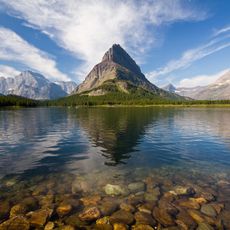
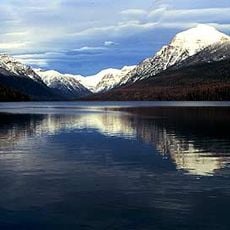
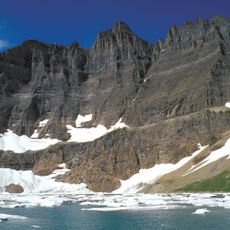
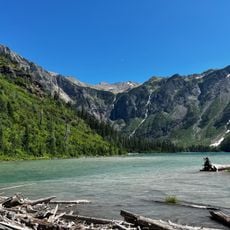
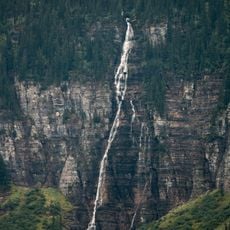
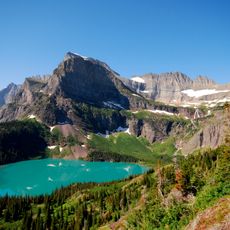
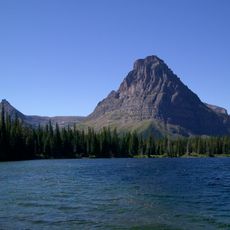
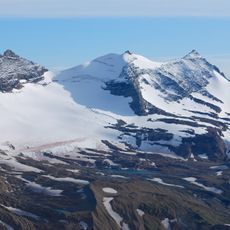
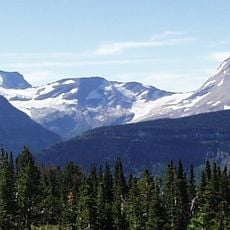
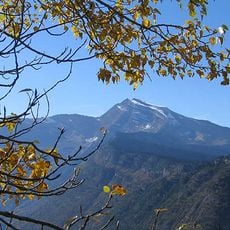
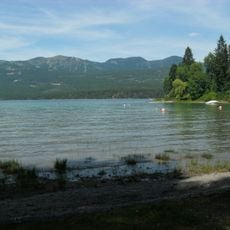
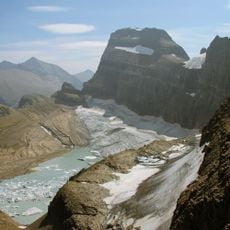
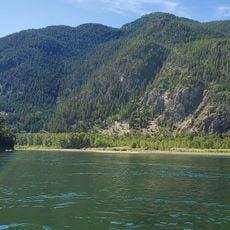
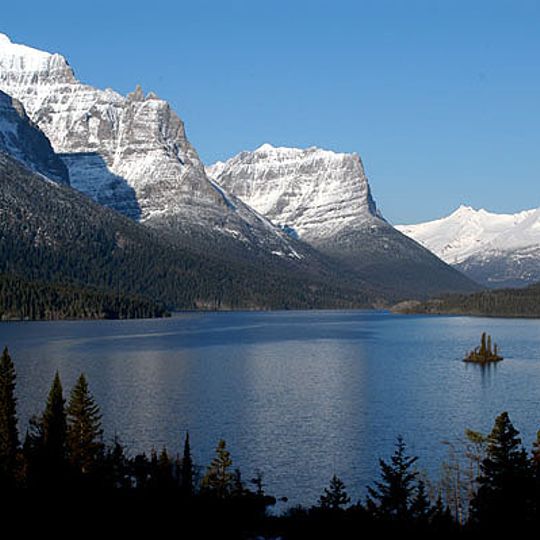
Glacier National Park is a protected area in northwestern Montana that stretches along the Canadian border and offers more than a thousand kilometers of hiking trails through forests, valleys, and alpine meadows. The landscape includes dozens of glaciers, over a hundred named lakes, and steep rock walls cut by streams that tumble into deep canyons.
The Blackfeet ceded 800,000 acres of mountain land to the U.S. government in 1895 for $1.5 million, retaining hunting rights. After George Bird Grinnell's two decades of campaigning, the park was established on May 11, 1910. The Great Northern Railway then built hotels and chalets, and the Going-to-the-Sun Road was completed in 1932, the year the park joined Waterton Lakes as the first International Peace Park.
The area remains connected to the Blackfeet, whose reservation borders the eastern edge and whose language appears on signs and interpretive displays throughout the park. Visitors encounter this relationship through ranger programs and guided walks led by tribal members who explain how these mountains have shaped their stories and daily life for generations.
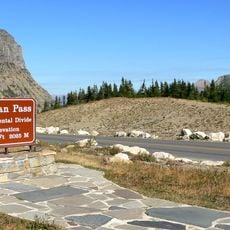
Most visitors arrive between June and September when the high-elevation road through the mountains is fully open and trails are free of snow. Shoulder seasons bring fewer crowds but limited access, as many facilities and roads remain closed during winter months.
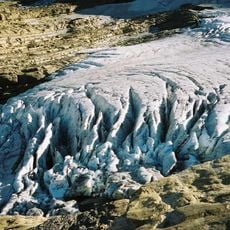
Of the roughly 150 glaciers larger than 25 acres present in the mid-19th century, only 25 active glaciers remained by 2010, and scientists estimate all may vanish by 2030 if current climate patterns persist. The park also holds the Triple Divide Peak at 2,433 m, where drainage to the Pacific, Atlantic and Arctic oceans meets.
The community of curious travelers
AroundUs brings together thousands of curated places, local tips, and hidden gems, enriched daily by 92,059 contributors worldwide.