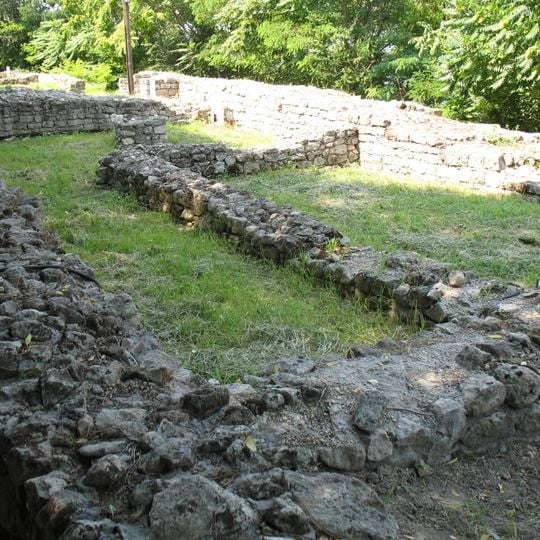
Sexaginta Prista, Archaeological site near the Danube River in Ruse, Bulgaria
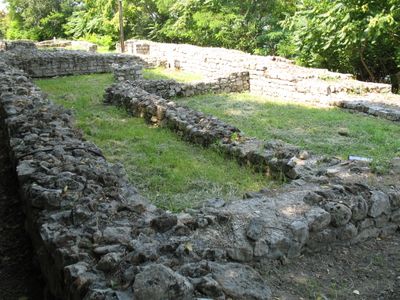
Sexaginta Prista is an archaeological site in Ruse, Bulgaria, preserving the remains of a Roman military fort on the bank of the Danube. The site includes stone walls, military structures, and the foundations of a temple dedicated to Apollo, all set on elevated ground.
The fort was founded in the 1st century and served as a military post and river port on the Danube until Gothic raids in the 4th century devastated the settlement. Its position on the river made it a key point for Roman control of the region.
The votive tablets and ceramic fragments found during excavations show how Roman soldiers worshipped their gods at this remote frontier post. These objects give a concrete sense of the daily life of people stationed far from Rome.
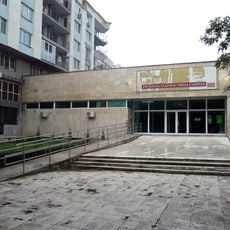
The open-air museum on Tsar Kaloyan Street in Ruse displays archaeological finds and scale models of Roman structures within the original setting. Sturdy shoes are recommended since the ground is uneven and paths cross ancient earthworks and raised terrain.
A former German bunker from World War II has been converted into an exhibition space that now houses religious artifacts from the ancient Roman province of Lower Moesia. The bunker sits directly on the ancient site, placing two very different military eras side by side in the same location.
The community of curious travelers
AroundUs brings together thousands of curated places, local tips, and hidden gems, enriched daily by 90,851 contributors worldwide.