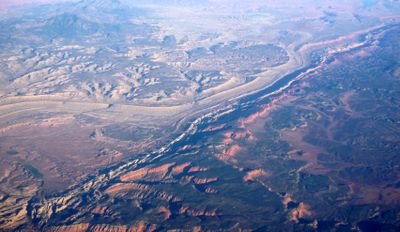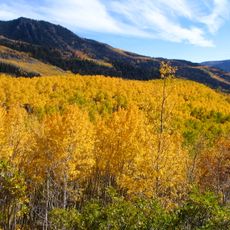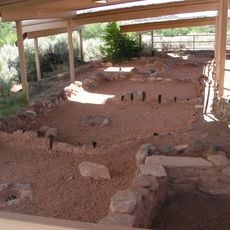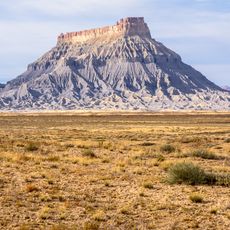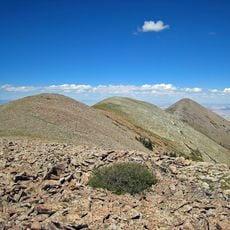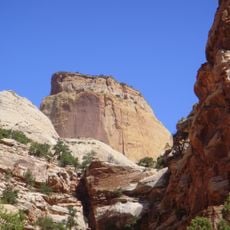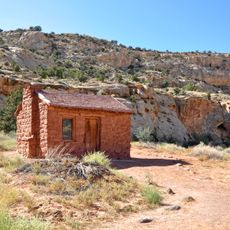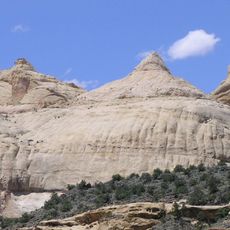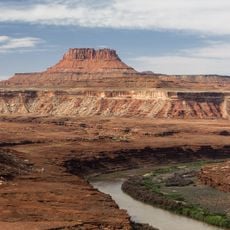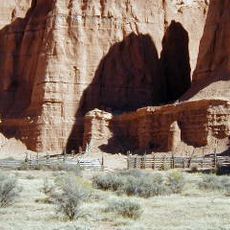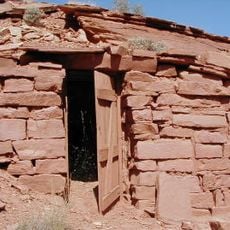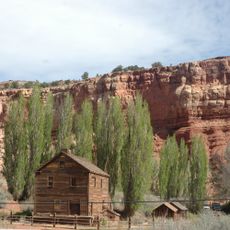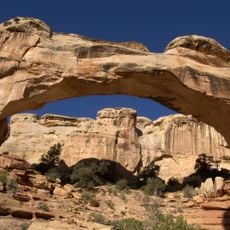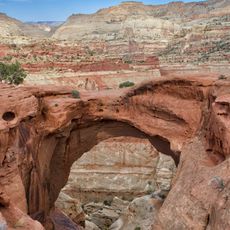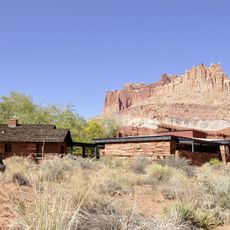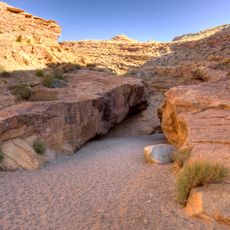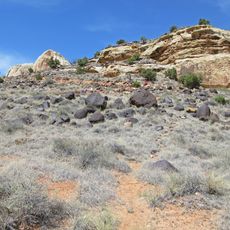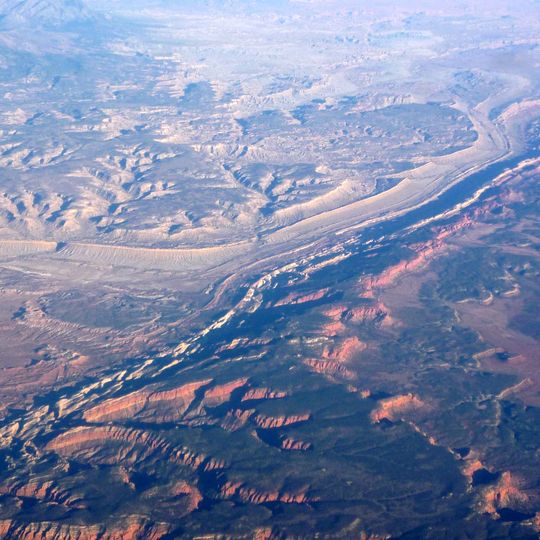
Waterpocket Fold, Monoclinal fold in Capitol Reef National Park, Utah, US.
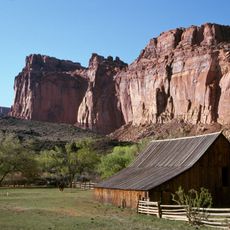
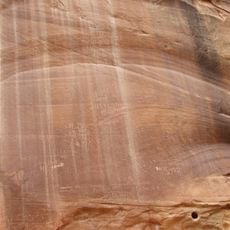
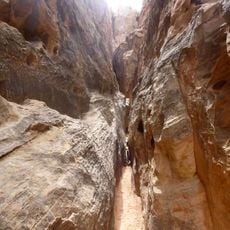
Waterpocket Fold is a massive monoclinal fold running about 100 miles through southern Utah, featuring tilted rock layers that form a dramatic step-like ridge across the desert landscape. The exposed stone walls display varied colors and textures, with numerous natural depressions carved into the sandstone surface.
This geological structure formed roughly 65 million years ago during the Laramide Orogeny, when powerful tectonic forces reshaped the western North American landscape. The same geological processes that created this fold also shaped the surrounding regions, leaving a lasting mark on the terrain.
Native American tribes utilized the natural water pockets along the fold's surface for sustenance and navigation through the desert environment over many centuries.
Access the fold via Utah State Route 24 or Notom Road, with several viewpoints providing different perspectives of the rock formations. Bring plenty of water in the hot season and wear sturdy shoes, as unpaved roads and hiking trails can be rough and exposed.
The scattered water pockets in the sandstone collect and hold rainwater, providing vital water sources for desert wildlife including bighorn sheep and numerous bird species. These natural reservoirs allow animals to survive in this otherwise extremely arid environment.
The community of curious travelers
AroundUs brings together thousands of curated places, local tips, and hidden gems, enriched daily by 90,879 contributors worldwide.