Indian Peaks Wilderness, Protected wilderness area in Colorado, United States
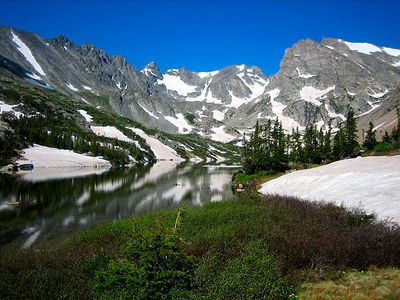
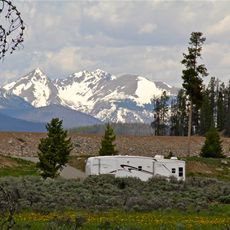
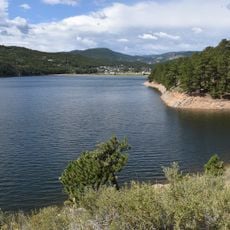
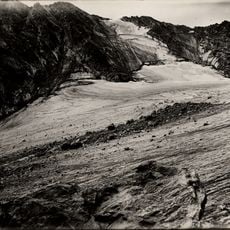
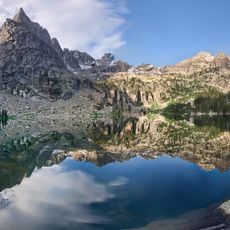
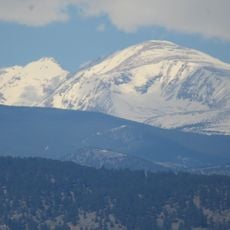
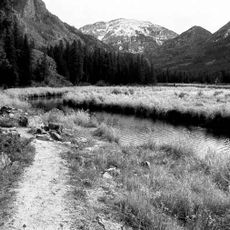
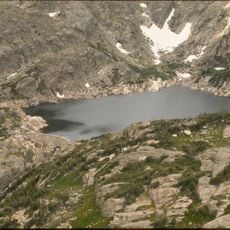
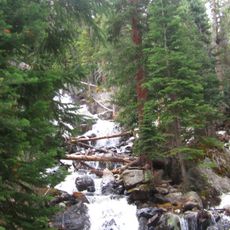
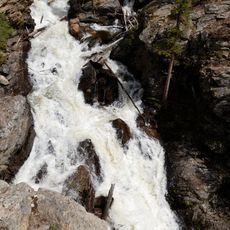
Indian Peaks Wilderness is a protected mountainous area in Colorado spanning over 73,000 acres with 50 lakes and elevations ranging from 8,400 to 13,500 feet. The terrain spreads across three distinct life zones, offering varied landscapes from alpine meadows to rocky summits.
Native Americans crossed the area for thousands of years, and the Arapaho hunted here in summer until mining began in the 1870s near the Arapaho Peaks, where the Caribou mining district produced little but low-grade ore. Enos Mills included the Indian Peaks in his first proposal for Rocky Mountain National Park, but they were dropped in a compromise with mining interests. Congress designated the Indian Peaks Wilderness in 1978.
Many summits carry names of western Native American tribes, a scheme devised in spring 1914 by botany teacher Ellsworth Bethel, inspired by the existing Arapaho Peaks name. The US Board on Geographic Names kept six of his choices, including Apache, Arikaree, Kiowa, Navajo, Ogalalla and Pawnee; Paiute Peak followed after his Ute suggestion was rejected. Achonee Mountain honors Cheyenne peace chief Ochinee, killed at Sand Creek.
The wilderness can be accessed through several trailheads including Brainard Lake Recreation Area, Hessie Trailhead, and 4th of July Trailhead. A network of roughly 28 trails totaling around 133 miles offers options for different skill levels and fitness abilities.
The wreckage of a Civil Aeronautics Administration plane that crashed about 500 feet below the summit of Navajo Peak in January 1948, killing three airmen, is still visible on the mountainside in summer. A Denver and Boulder mountaineering team recovered the bodies after a five-day expedition.
The community of curious travelers
AroundUs brings together thousands of curated places, local tips, and hidden gems, enriched daily by 93,935 contributors worldwide.