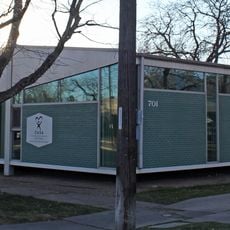
May Natural History Museum, Natural history museum in Colorado Springs, United States
May Natural History Museum holds about 7,000 insects and spiders in custom-made wooden cases with handwritten labels, gathered by James May in South America, Africa, Asia and elsewhere. The collection covers beetles, butterflies and centipedes, and some specimens are now thought to be extinct. A giant Hercules beetle statue, Herkimer, marks the entrance on Colorado State Highway 115.
James May, an English-born amateur naturalist, collected insects from 1903 until his death in 1956, starting while recovering from a wound received in the Second Boer War in 1899. His son John built airtight wooden display cases and collapsible stands in the 1930s and took the collection to fairs. The family bought 1,000 acres south of Colorado Springs in 1942, and John opened the museum in 1952.
The museum's name comes from the May family, and its specimens sit in airtight wooden cases John May built in the 1930s, with handwritten labels. The family first showed the collection at fairs and expositions, funding travel through small visitor donations. Walt Disney visited in 1956 and offered to buy the collection; May refused after learning he would get no credit for building it.
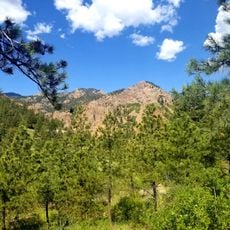
The museum sits south of Colorado Springs off Colorado State Highway 115, where the beetle statue Herkimer marks the turn; the same grounds hold a campground opened in 1960 with hiking trails and fishing ponds. The dry Colorado climate that protects the specimens also means sun and wind, so plan for both.
The museum displays specimens from extinct insect species and some of the largest beetles ever collected, all preserved in their original form. These rare examples came from James May's personal journeys and serve as a reminder of lost animal diversity.
The community of curious travelers
AroundUs brings together thousands of curated places, local tips, and hidden gems, enriched daily by 94,048 contributors worldwide.