Kalamalka Lake, lake in British Columbia, Canada
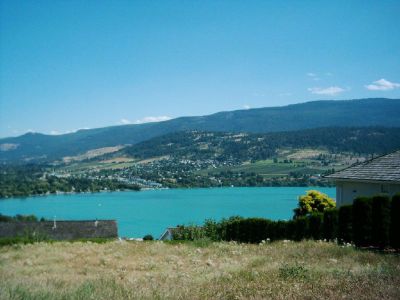
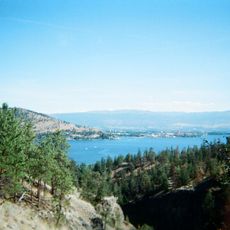
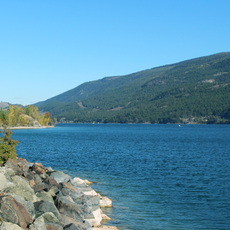
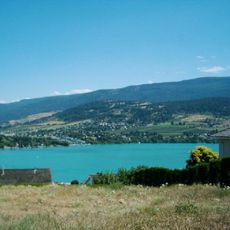
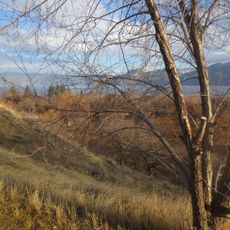
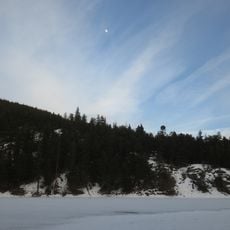
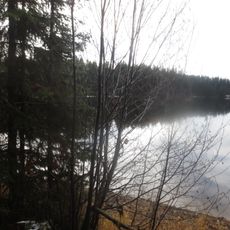
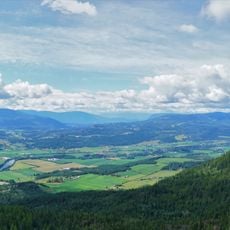
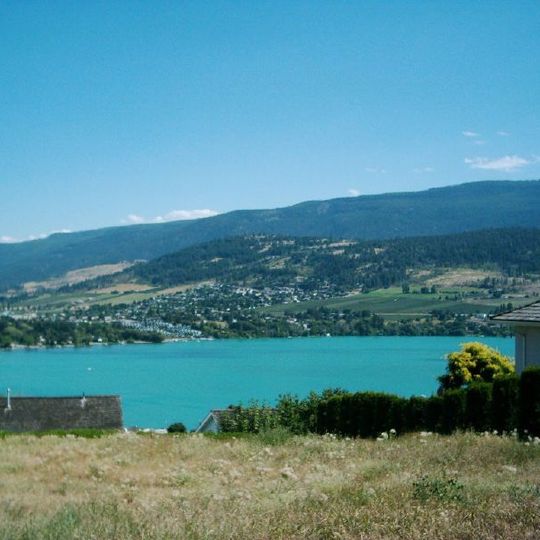
Kalamalka Lake is a large lake near Vernon in British Columbia, known for water that shifts between vivid blue and green depending on the season and time of day. The lake runs roughly north to south, with rocky hillsides on one shore and flatter, sandy stretches on the other.
The land around the lake has been home to Indigenous peoples for thousands of years, long before European settlers arrived in the region. In the early 1900s, gold was briefly washed from nearby river sediments, though the area eventually became known more for recreation than for mining.
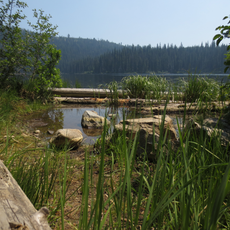
Local people call it 'Kal Lake' and treat it as a natural backyard, coming to swim and picnic from spring through fall. The beaches stay low-key and open, with no sense of a managed resort, just a shoreline where families spread out on warm afternoons.
Several beaches along the shoreline are easy to reach by car and offer parking, restrooms, and picnic areas. For the best view of the water's color changes, plan to visit in summer during the early morning or late afternoon when the light is low.
The water's shifting colors come from marl, a fine layer of calcium crystals left behind by a glacier and suspended just below the surface. This effect is rare enough that the lake is studied as a geological reference point, though most visitors simply stop to look at the water and wonder why it looks so different from other lakes.
The community of curious travelers
AroundUs brings together thousands of curated places, local tips, and hidden gems, enriched daily by 60,000 contributors worldwide.