Pompeys Pillar National Monument, Natural sandstone monument in Yellowstone County, Montana, United States
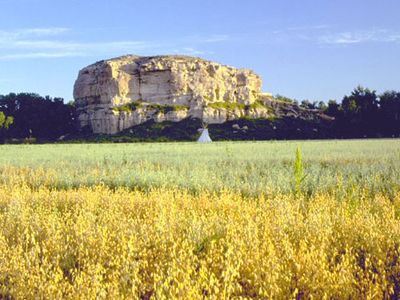
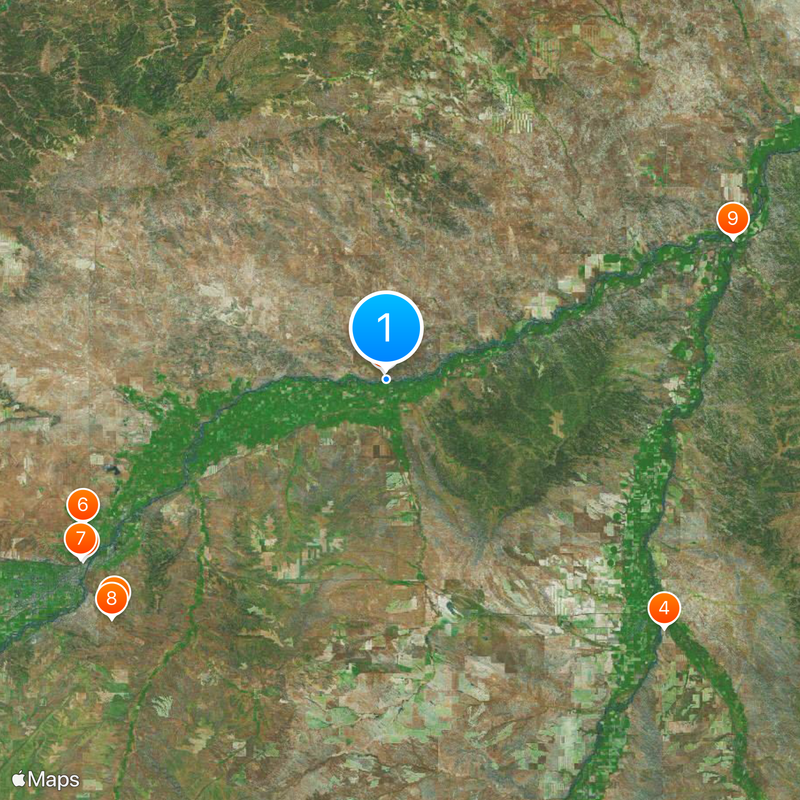
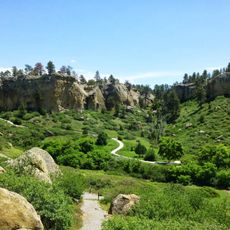
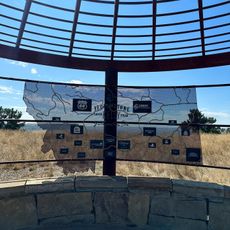
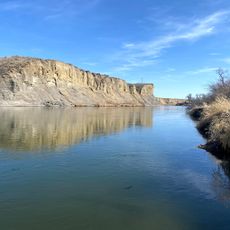
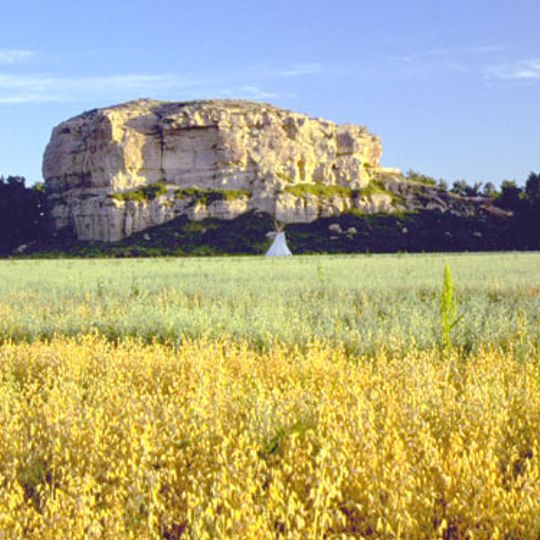
Pompeys Pillar is a sandstone formation rising roughly 150 feet above the Yellowstone River along a protected riverside area in south central Montana. The site features thousands of carved marks across its surface and includes a visitor center with trails and educational displays about the region.
The site became known when William Clark carved his name into the stone in 1806 while exploring the region with the Lewis and Clark Expedition. This inscription remains one of the few tangible records of that historic journey.
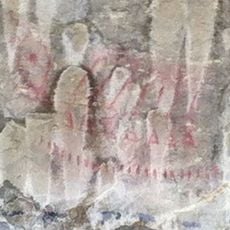
The rock surface displays carvings from people across different eras: Native Americans left their marks, followed by fur traders, soldiers, and railroad workers who all added their own inscriptions. These overlapping marks tell the story of how this spot served as a gathering place for centuries.
The rock is easily reached via marked trails that branch from the visitor center. The best time to visit is from May through September, when the center operates and trails are accessible.
The monument records a timeline of roughly eleven thousand years of human activity, as traces from Native Americans, traders, and later visitors layer across the entire surface. This layering creates a natural archive of visitor marks spanning many millennia.
The community of curious travelers
AroundUs brings together thousands of curated places, local tips, and hidden gems, enriched daily by 90,899 contributors worldwide.