Vermilion, human settlement in Alberta, Canada
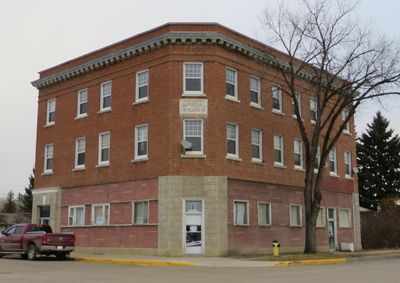
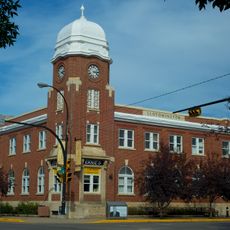
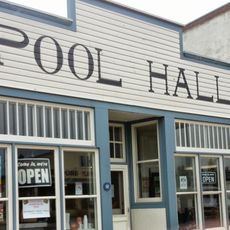
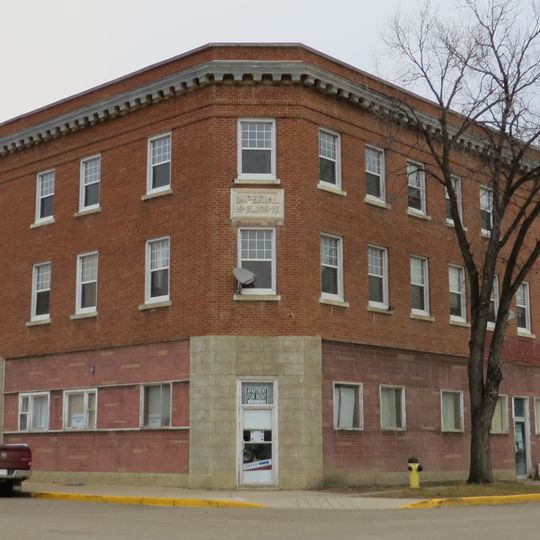
Vermilion is a small town in central Alberta located at the intersection of Highways 16 and 41, surrounded by the County of Vermilion River. The place has fewer than 4,000 residents and is defined by historic brick buildings, a local park for camping and fishing, and regular community events throughout the year.
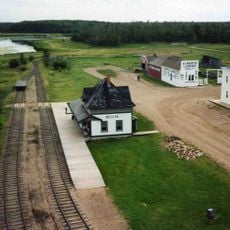
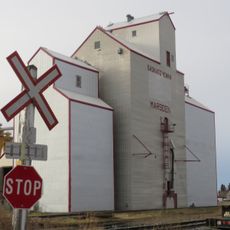
Settlement began in 1902 with British arrivals, and the town became an important railway hub after the Canadian Northern Railway arrived in 1905. It received its name in 1906 because of the red clay and quickly developed with a brick factory and later the province's first agricultural college, which opened in 1913.
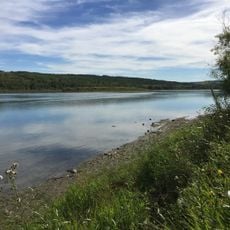
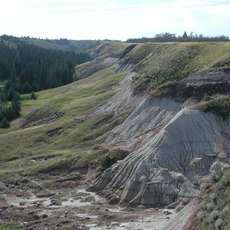
The name Vermilion comes from the red clay found in the river valley, which early settlers immediately noticed. This geographic feature shapes the town's identity today and remains a point of pride in local conversations and stories.
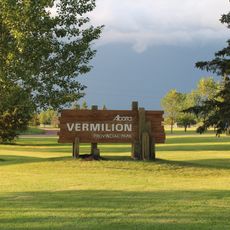
The town is easy to reach via Highways 16 and 41, located about 60 kilometers west of Lloydminster. Vermilion Provincial Park to the northwest offers camping, fishing, and hiking options, while the historic downtown with old brick buildings can be explored on foot.
The town originally formed 5 kilometers east at a place called Breage before the railway arrived in 1905 and shifted it to its current location. Another unusual detail is that the newspaper Vermilion Standard was founded by a survivor of the Frog Lake Massacre and still publishes today.
The community of curious travelers
AroundUs brings together thousands of curated places, local tips, and hidden gems, enriched daily by 91,688 contributors worldwide.