Kanopolis Lake, Reservoir in the US state of Kansas
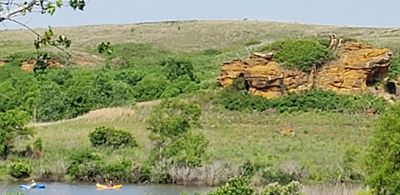
Kanopolis Lake is a large reservoir in central Kansas formed in 1948 by the Kanopolis Dam. Water is fed by the Smoky Hill River and covers approximately 3,400 acres with an average depth of 15 feet (4.6 meters), reaching as deep as 40 feet (12 meters) near the dam structure.
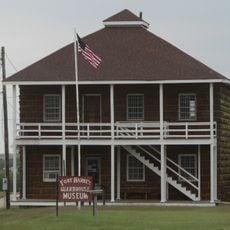
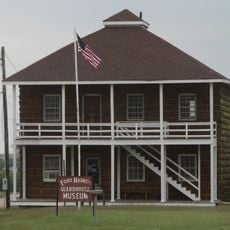
The region was inhabited by Native Americans such as the Pawnee, Cheyenne, and Sioux who carved petroglyphs into rocks. In the 1800s, Spanish explorers and French fur traders moved through, while soldiers later established Fort Harker and ranchers shaped the landscape with cattle operations and farming.
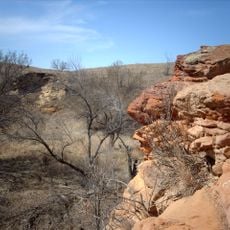
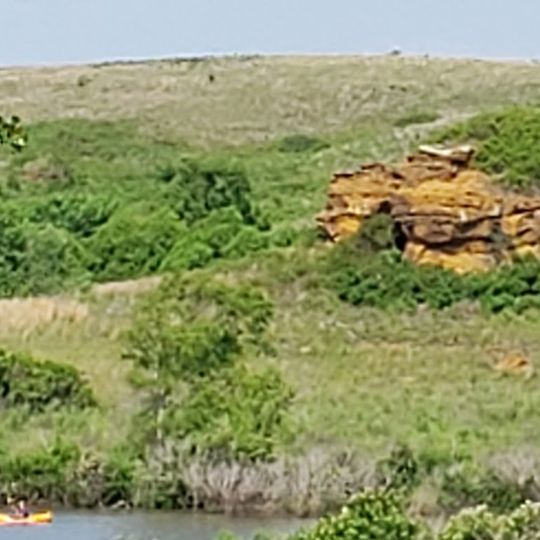
The name Kanopolis comes from a town founded in 1886 that was intended to become Kansas's capital. Rock formations display petroglyphs carved by Native Americans that tell stories of their lives and remain visible today as they walk through the area.
The area is about 33 miles (53 kilometers) southwest of Salina, Kansas and accessible via Kansas Route 141. Visitors will find campgrounds with primitive and full-service facilities, boat ramps, beaches, and more than 30 miles (48 kilometers) of trails for hiking and biking.
The area was once home to mammoths and dinosaurs and contains fossils of sea creatures from when Kansas lay beneath a shallow sea. The region is also known as a location where famous frontier figures like Buffalo Bill and Wild Bill Hickok were active during their frontier adventures.
The community of curious travelers
AroundUs brings together thousands of curated places, local tips, and hidden gems, enriched daily by 60,000 contributors worldwide.