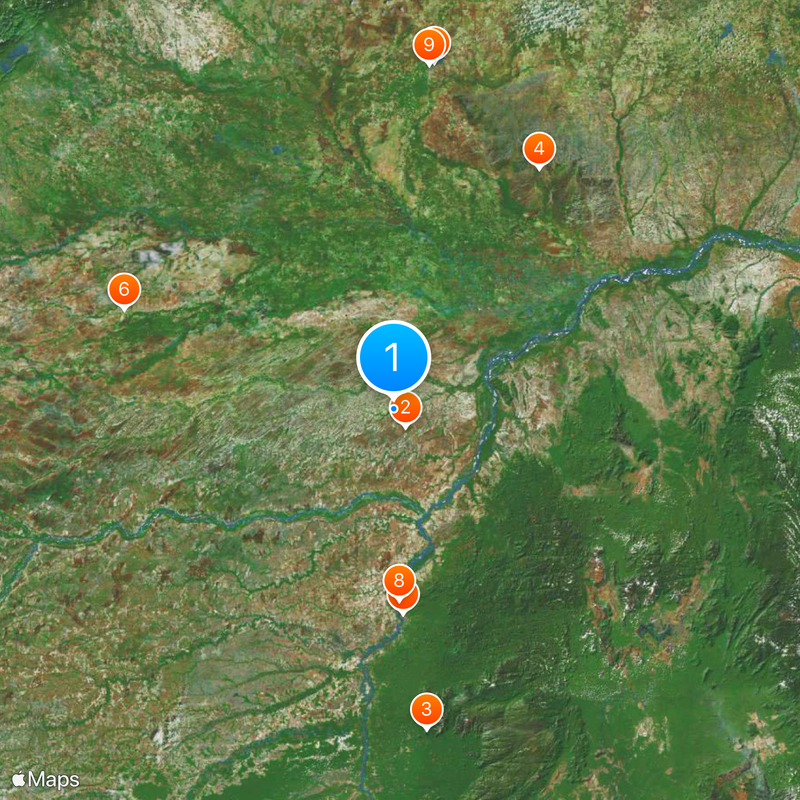
Llanos, Tropical grassland in Colombia and Venezuela, South America
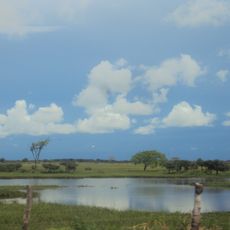
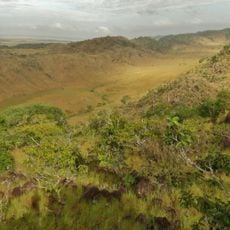
Llanos is a sprawling grassland in Colombia and Venezuela that stretches across lowlands between the Andes and the Orinoco River, covering roughly 570,000 square kilometers. The region consists mainly of flat savannas with scattered trees and gallery forests along riverbanks, forming an open landscape.
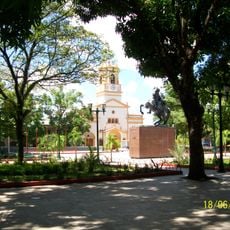
The arrival of Spanish conquerors brought cattle to the region, establishing a ranching culture by the mid-16th century that has endured ever since. This shift shaped the economy and daily life of inhabitants, who adapted to managing wide open spaces.
Life on the plains revolves around cattle ranching and equestrian culture, with gaucho-like llaneros using horses for their work and keeping folklore alive through storytelling and music. Local singing styles called joropo accompany festivals and social gatherings, where harps, maracas, and cuatro guitars create a rhythmic sound.
Visitors should travel between December and March, when dry conditions make movement easier and roads remain passable. The rainy period from April to November makes many routes impassable and transforms low-lying areas into flooded zones.
When rains begin, large stretches turn into shallow swamps that attract capybaras, white-tailed deer, and numerous water birds. These seasonal floods create temporary wetlands that serve as breeding grounds for fish and draw predators like caimans and anacondas.
The community of curious travelers
AroundUs brings together thousands of curated places, local tips, and hidden gems, enriched daily by 60,000 contributors worldwide.