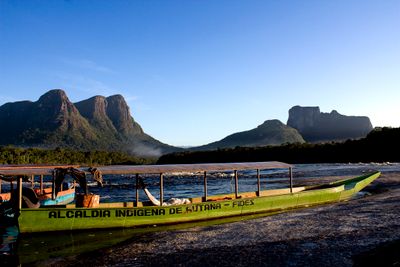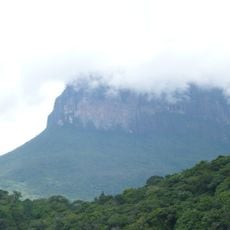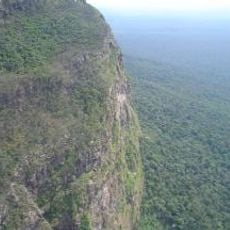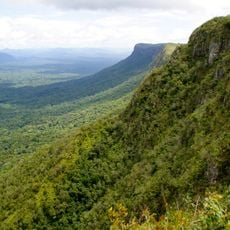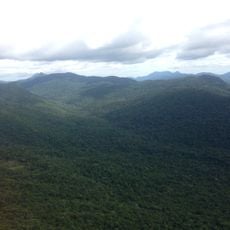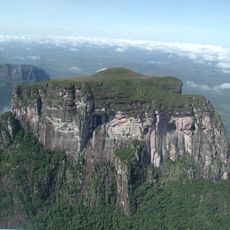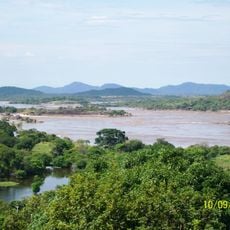
Cerro Autana, Tepui mountain in Amazonas, Venezuela
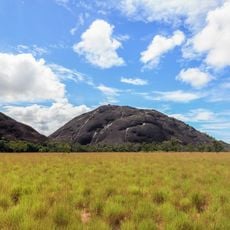
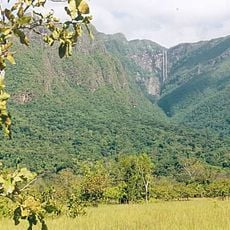
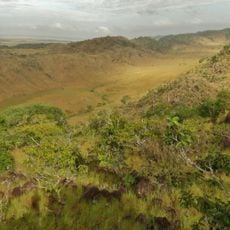
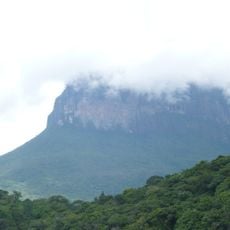
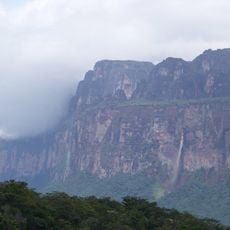
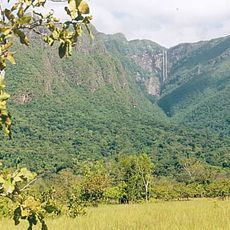
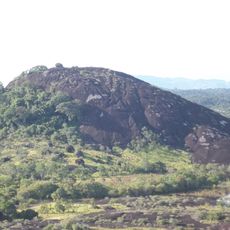
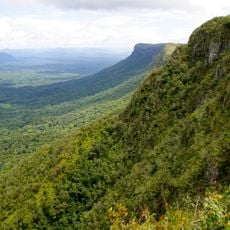
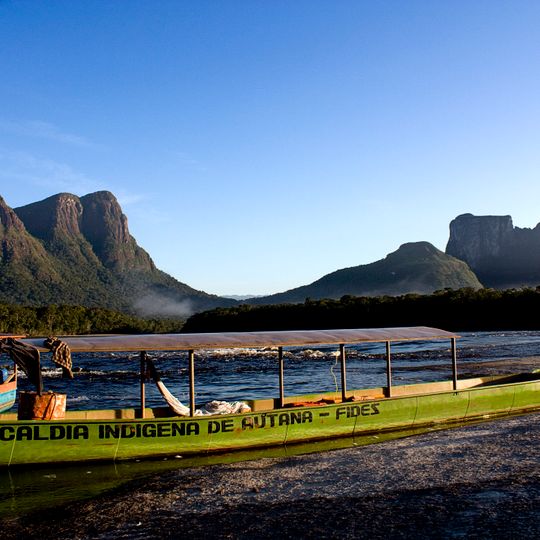
Cerro Autana is a roughly 1250-meter-high mountain with steep sandstone walls rising from a narrow base to a flat summit plateau. The formation displays the characteristic shape of a tepui, with sheer vertical cliffs and an isolated tabletop peak.
The mountain was first documented during Alexander von Humboldt and Aimé Bonpland's South American expedition in 1800. Their work brought this isolated region to the attention of the scientific world.
The mountain holds deep meaning in Piaroa cosmology under the name Wahari-Kuawai, meaning tree of life. Local people view this place as sacred and weave it into their oral traditions and understanding of the world.
Climbing this mountain demands technical skill and proper permits, with local guides required for navigating the remote setting. Access is challenging, so visitors should prepare for an expedition with demanding conditions.
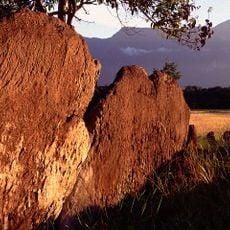
The mountain's caves hold rare minerals, including sveite, a mineral first identified here in scientific records. This geological feature makes the site interesting for those studying mineralogy and reveals the scientific value of this remote formation.
The community of curious travelers
AroundUs brings together thousands of curated places, local tips, and hidden gems, enriched daily by 91,616 contributors worldwide.