Yapacana National Park, National park in Amazonas state, Venezuela
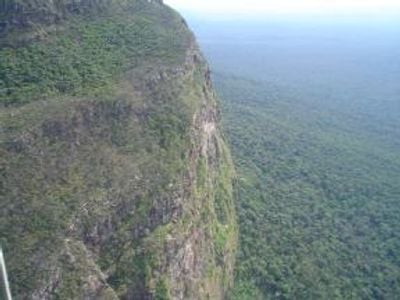
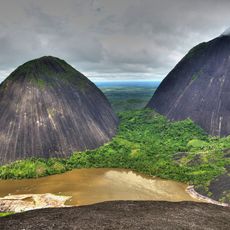
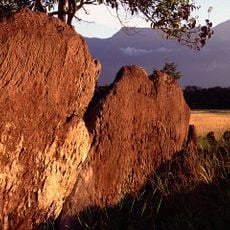
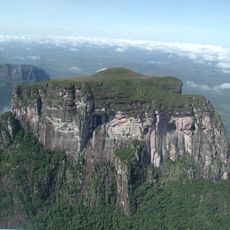
Yapacana National Park is a protected area in Amazonas state covering roughly 1,200 square kilometers with savannas, tropical rainforests, and table-top mountains mixed together across the landscape. The terrain is hilly and heavily forested, with streams and rivers running through steep valleys.
The park was established in 1978 to protect the landscape and indigenous communities living within it. From the 1980s onward, illegal gold mining has created environmental damage and ongoing pressure on the protected area.
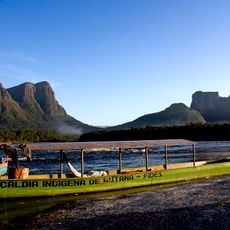
Indigenous people living here follow ancestral ways of using the land and sharing knowledge about plants and animals passed down through families. These practices shape how communities move through the forest and understand its resources.
Visitors need to arrange guides before traveling to this remote location, as basic facilities are sparse and self-guided exploration is not feasible. Planning ahead and being prepared for wilderness conditions are important for a safe experience.
The Yapacana Mountain is a striking peak that creates its own climate zones and hosts plant and bird species found nowhere else in the region. This geographic feature shapes the park's entire ecosystem and draws attention from scientists studying how mountains influence tropical habitats.
The community of curious travelers
AroundUs brings together thousands of curated places, local tips, and hidden gems, enriched daily by 60,000 contributors worldwide.