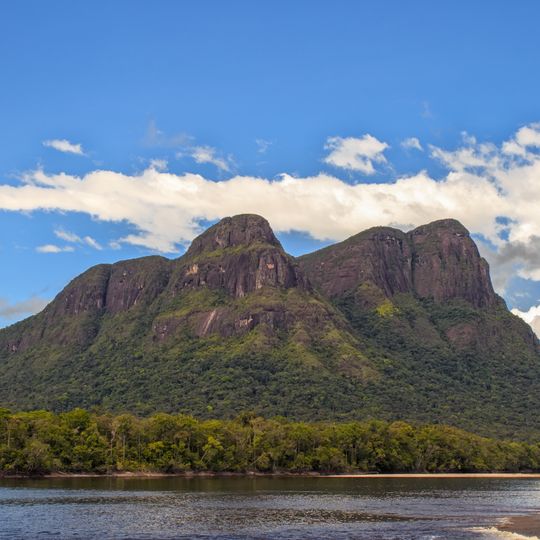
Venezuela, Country in northern South America
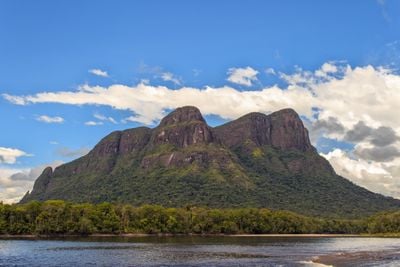
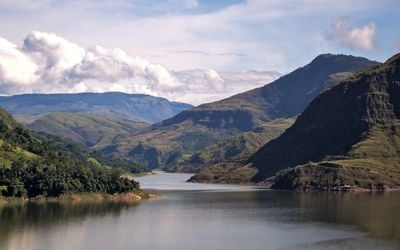
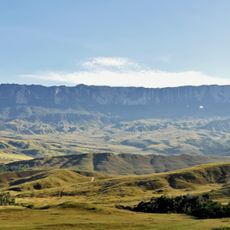
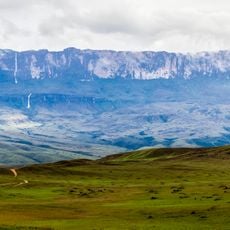
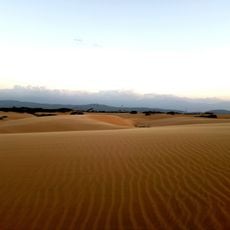
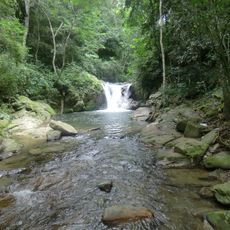
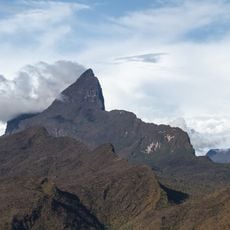
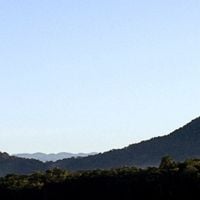
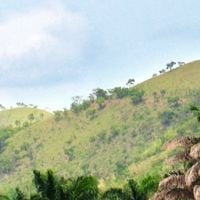
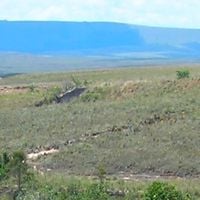
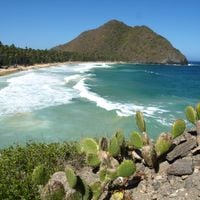
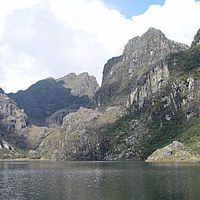
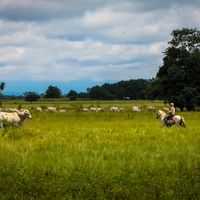
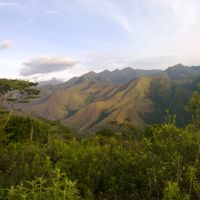
Venezuela is a South American country on the northern coast of the continent, extending from the Caribbean Sea to the Amazon lowlands. The territory includes the Andes mountain range, the Llanos plains, tropical rainforests, and several large rivers that flow into the Atlantic and the Caribbean.
The territory declared independence from Spain in 1811 under Simón Bolívar and became one of the first South American republics. The discovery of large oil reserves in the 20th century transformed the economy and shaped political developments.
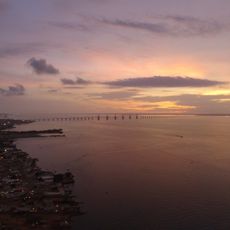
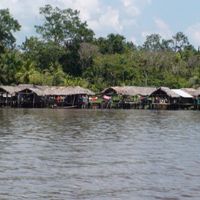
The name comes from Italian explorers who compared the stilt houses on Lake Maracaibo to Venice. In the streets and markets, people prepare arepas, gather for salsa and joropo dancing, and celebrate local patron saint festivals with drums and traditional food that reflect African, indigenous, and European roots.
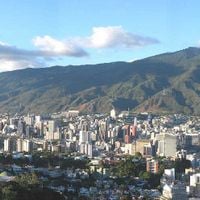
Simón Bolívar International Airport near Caracas serves as the main arrival point, while regional airports in Maracaibo and Valencia offer additional connections. The US dollar is widely used in daily transactions alongside the official currency.
The Catatumbo lightning at Lake Maracaibo produces continuous electrical discharges for several hours on up to 280 nights each year. This natural light show occurs when warm winds from the lake collide with cool mountain air from the Andes.
The community of curious travelers
AroundUs brings together thousands of curated places, local tips, and hidden gems, enriched daily by 60,000 contributors worldwide.