See the monuments around you in AROpen chests in the app
Around Us is built for your phone — point your camera at the streets and discover the monuments and places around you in augmented reality.Around Us is built for your phone — chests unlock when you walk, explore and capture nearby places.
Venezuela offers a range of landscapes for photographers. The country features impressive waterfalls, sand dunes, coral reefs, and dramatic mountain formations. Angel Falls drops 979 meters between steep table mountains and ranks among the world's highest waterfalls. Along the coast, turquoise beaches and islands display clear water and coral gardens. Mountain ranges extend down to the sea, creating sharp contrasts between peaks and shorelines. The landscape shifts between rainforest, grasslands, and coastal areas, each with its own character and light.
Venezuela offers a range of landscapes for photographers. The country features impressive waterfalls, sand dunes, coral reefs, and dramatic mountain formations. Angel Falls drops 979 meters between steep table mountains and ranks among the world's highest waterfalls. Along the coast, turquoise beaches and islands display clear water and coral gardens. Mountain ranges extend down to the sea, creating sharp contrasts between peaks and shorelines. The landscape shifts between rainforest, grasslands, and coastal areas, each with its own character and light.
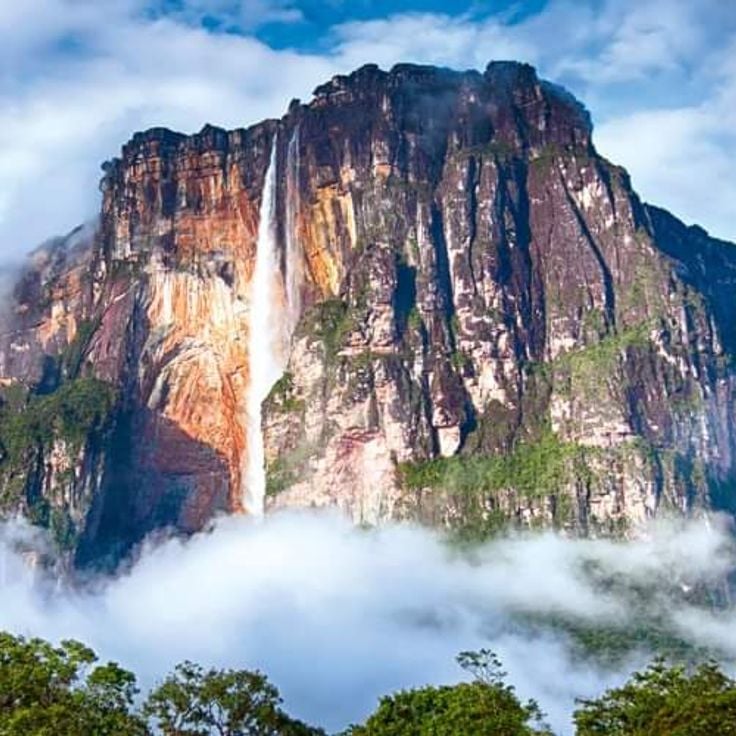
Angel Falls is a major photography location in Venezuela's diverse landscape collection. The waterfall drops 979 meters straight down, reaching a total height of 1,054 meters within the tropical rainforest. The falls cascade through Canaima National Park, surrounded by table-topped mountains and thick vegetation. Photographers can capture the water falling through mist, with changing light creating different moods throughout the day.
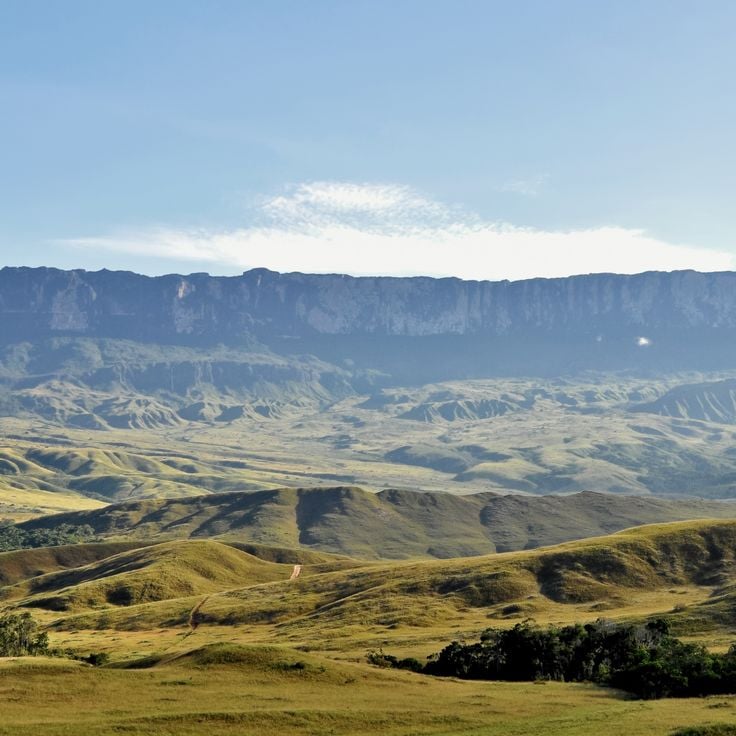
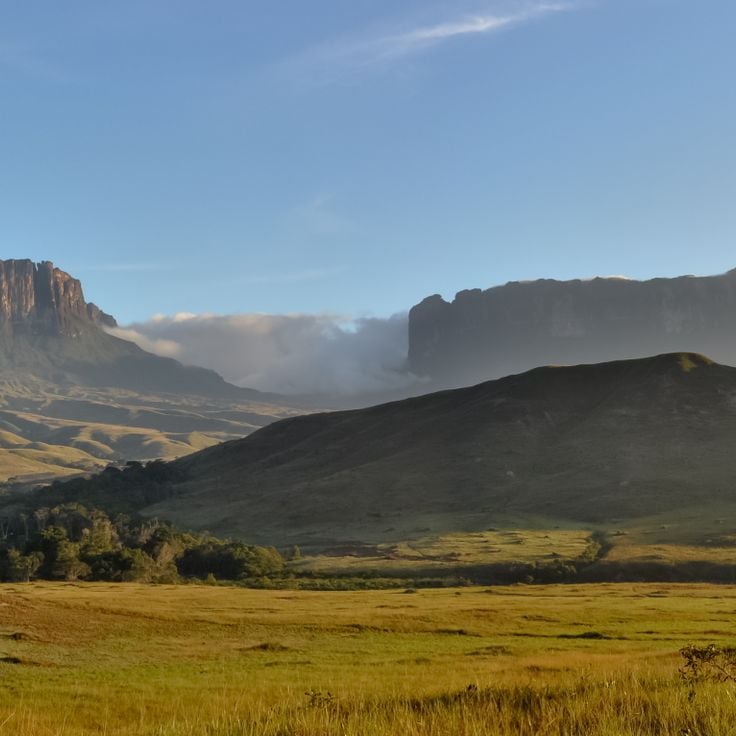
Mount Roraima serves as a striking subject for photographers exploring Venezuela's varied landscapes. The tabletop mountain reaches 2810 meters and features sheer rock walls that rise dramatically from the surrounding plain. Endemic plants and animals live within its rocky crevices and slopes, found nowhere else on earth. The mountain's distinctive form creates compelling compositions, especially when clouds gather around its summit or light breaks across its vertical faces.
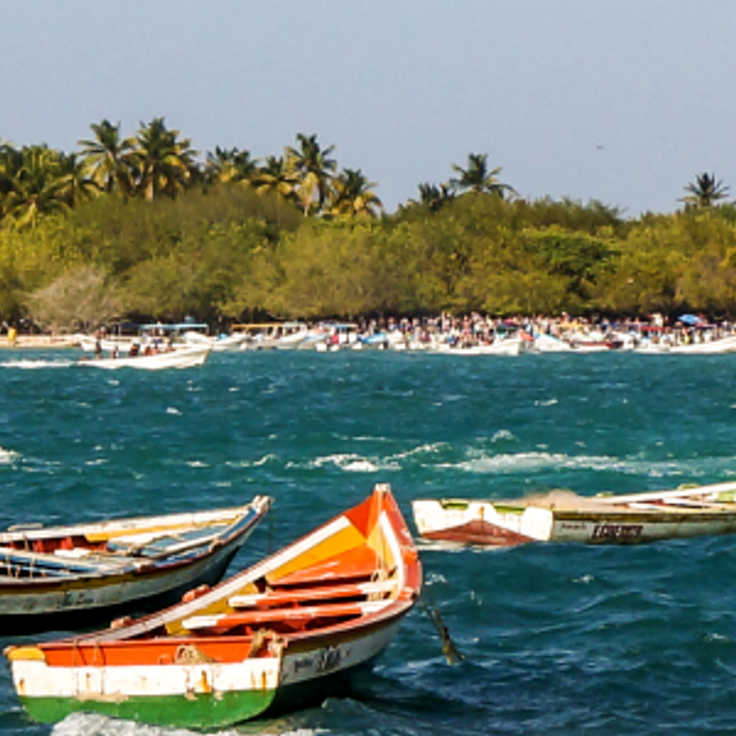
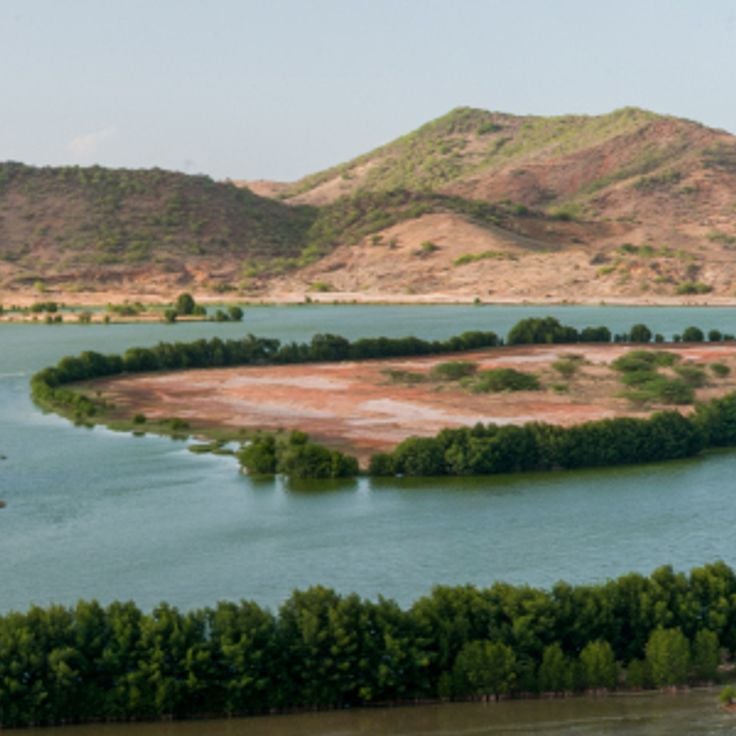
Morrocoy National Park is a coastal location for photographers documenting Venezuela's varied landscapes. The park contains white sand beaches, coral reefs and mangrove forests. Visitors can observe and photograph flamingos, pelicans and sea turtles. The waters display different shades, and the coastline offers rich subjects for nature photography.
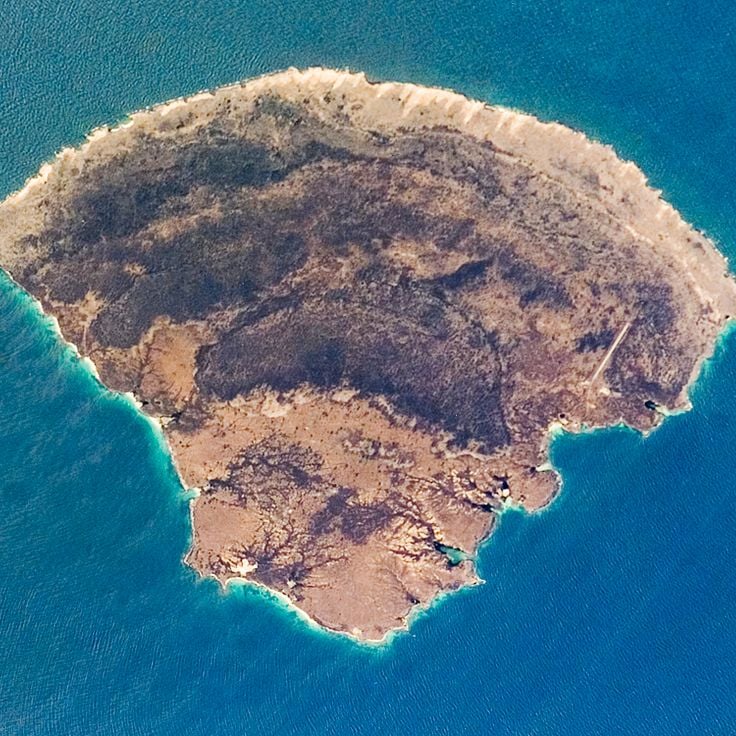
Los Roques Archipelago offers diverse subjects for photographers. This Caribbean island group consists of about 350 coral islands with white sand beaches and turquoise waters located north of Venezuela. The archipelago displays untouched coastal landscapes and clear water that invite underwater photography. Divers and snorkelers encounter coral gardens and colorful fish species. The light on the open sea changes constantly, providing varied conditions for landscape and wildlife photography.
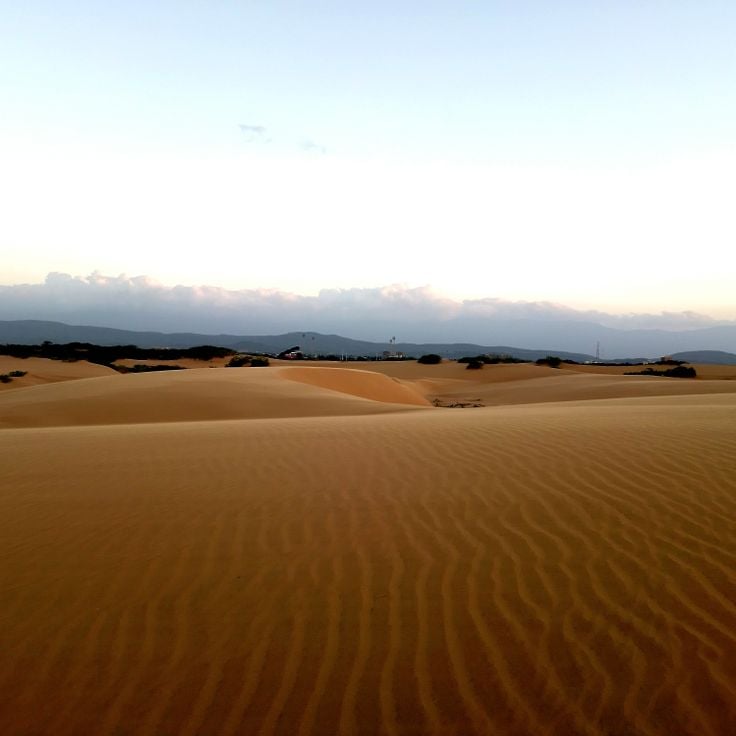
The Médanos de Coro are a sand desert landscape in Falcón that offers photographers an opportunity to capture one of Venezuela's distinct environments. This sandy terrain contrasts sharply with the waterfalls and beaches found elsewhere in the country, providing unique compositions for those documenting Venezuela's diverse photography subjects.
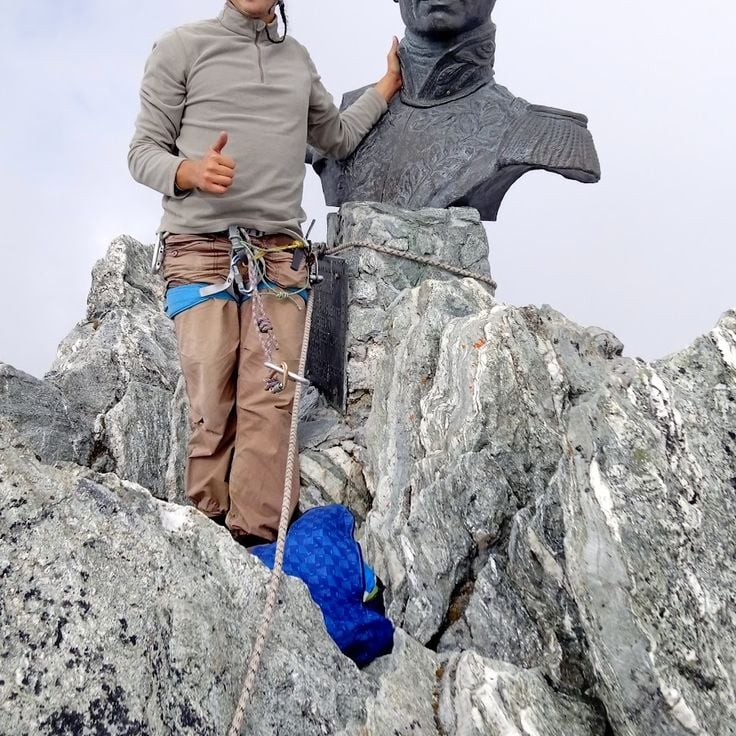
Pico Bolívar stands as Venezuela's highest mountain at 4978 meters elevation. This peak offers photographers stunning views across multiple landscape zones. The ascent passes through different elevation areas of the Andes, each with its own character. The mountain's position and natural setting make it a valuable location for capturing diverse landscapes in Venezuela.
La Gran Sabana is a highland region in Venezuela that offers diverse photography subjects. The area features table mountains that reach about 2800 meters, tropical forests, natural waterfalls and red sandstone rock formations. This location provides photographers with varied subjects to capture and represents the landscape diversity that Venezuela presents.
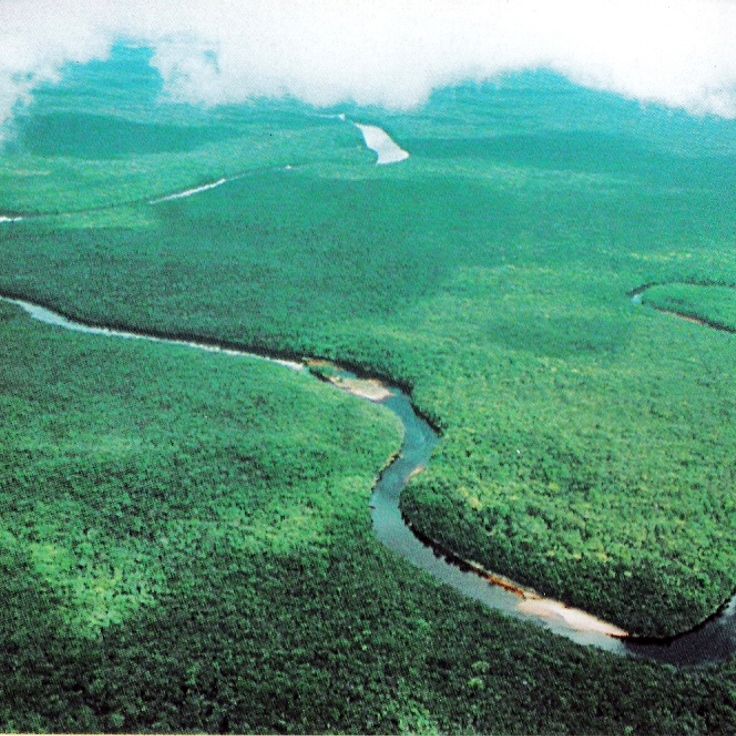
The Orinoco Delta is an expansive river delta with waterways and mangrove forests that appeals to photographers exploring Venezuela's natural landscapes. The region is home to Warao indigenous communities whose traditional ways of life unfold along the banks, offering compelling subjects for those interested in documenting indigenous cultures and river ecosystems.
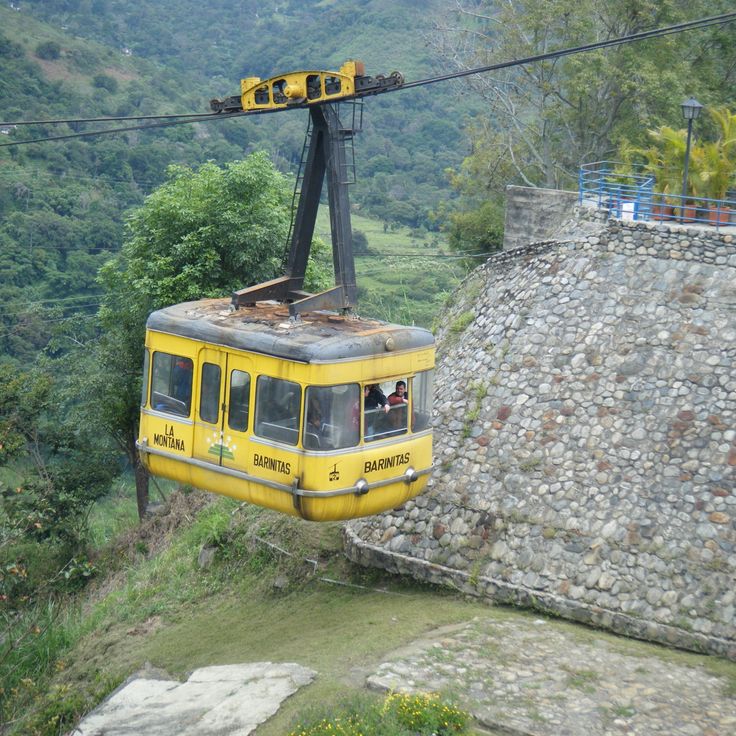
The Cable Car of Mérida is an aerial transport system for photographers documenting the landscapes of the Venezuelan Andes. This system travels 12.5 kilometers and reaches an elevation of 4765 meters. During the journey, views open onto mountain ranges, valleys, and changing vegetation. The cable car offers perspectives unavailable from the ground and captures the elevation changes and natural features of the region.
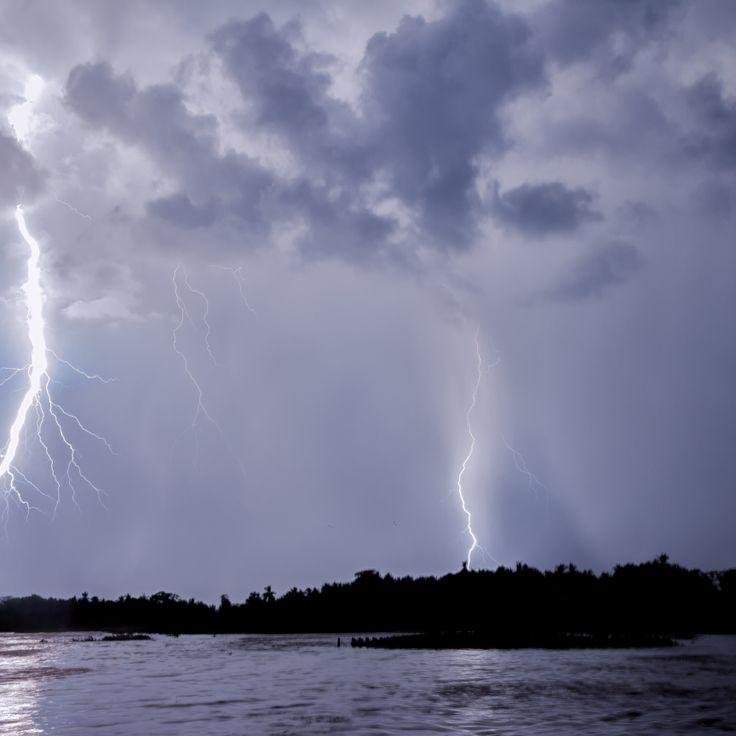
Catatumbo Lightning is a meteorological phenomenon over Lake Maracaibo in Venezuela that attracts photographers seeking to capture nature's power. Each night, up to 280 lightning strikes per hour flash across the sky in dramatic patterns. For photographers documenting Venezuela's varied landscapes from waterfalls to beaches, this natural display offers a rare chance to record electric energy illuminating the night sky.
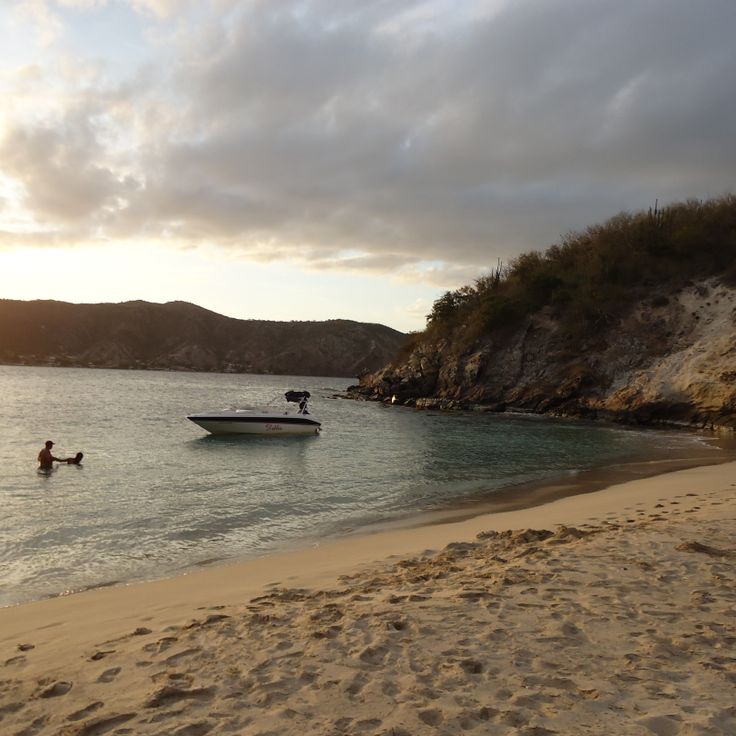
Mochima National Park is a coastal location for photographers documenting Caribbean landscapes in Venezuela. The park spreads across a large area along the coast and holds coral reefs, mangrove forests, and small islands. The variety of these habitats offers different subjects: clear waters of the bays, dense mangrove trees along the shore, and rocky islands in the sea. This park adds to Venezuela's photography locations alongside Angel Falls and Los Roques beaches.
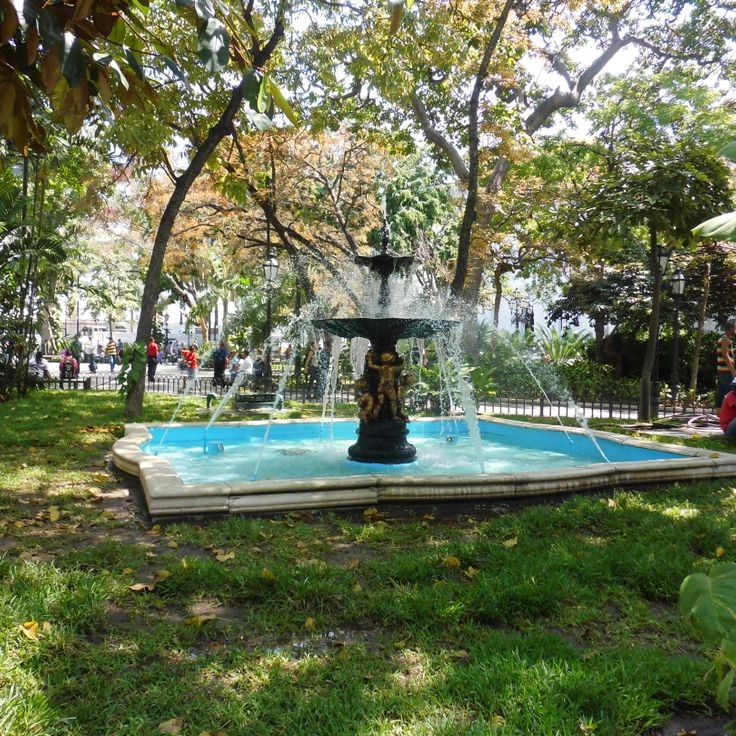
Plaza Bolívar is a key location for photographers exploring Venezuela's architecture. This central square in Caracas shows how colonial buildings stand alongside modern structures throughout the capital. Government buildings, the cathedral, and an equestrian statue of Simón Bolívar shape the character of this plaza. It offers excellent opportunities to document the urban landscape and historical elements that define the city.
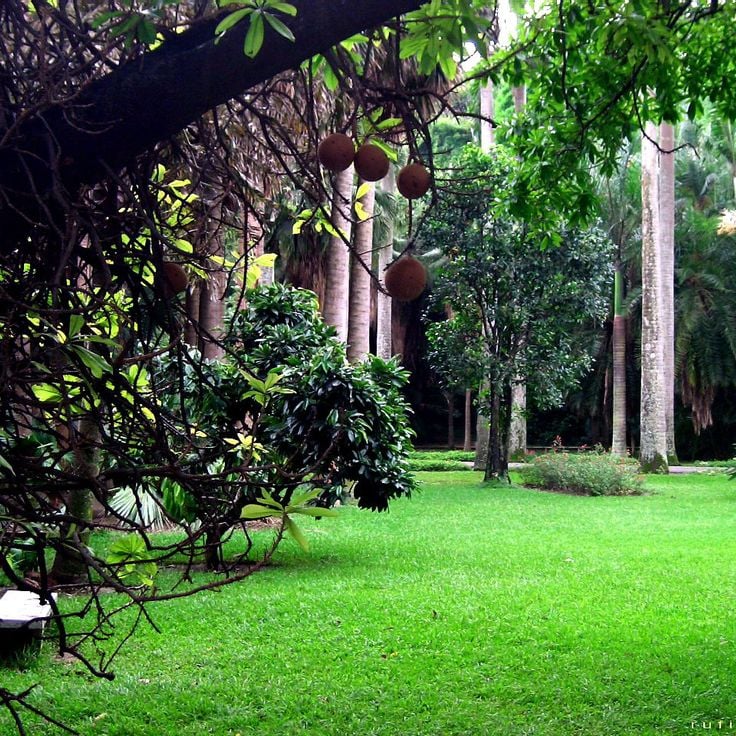
The Botanical Garden of Caracas spreads across a large area with more than 2000 plant species from Venezuela and other tropical regions of the world. This place offers photographers many opportunities to capture the diversity of green spaces and fits well within the collection of photography locations in Venezuela.
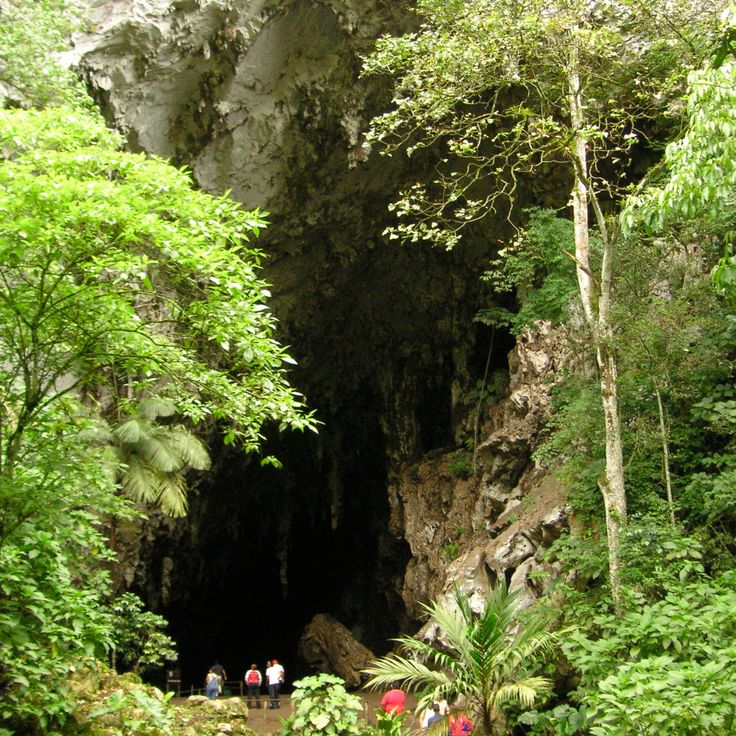
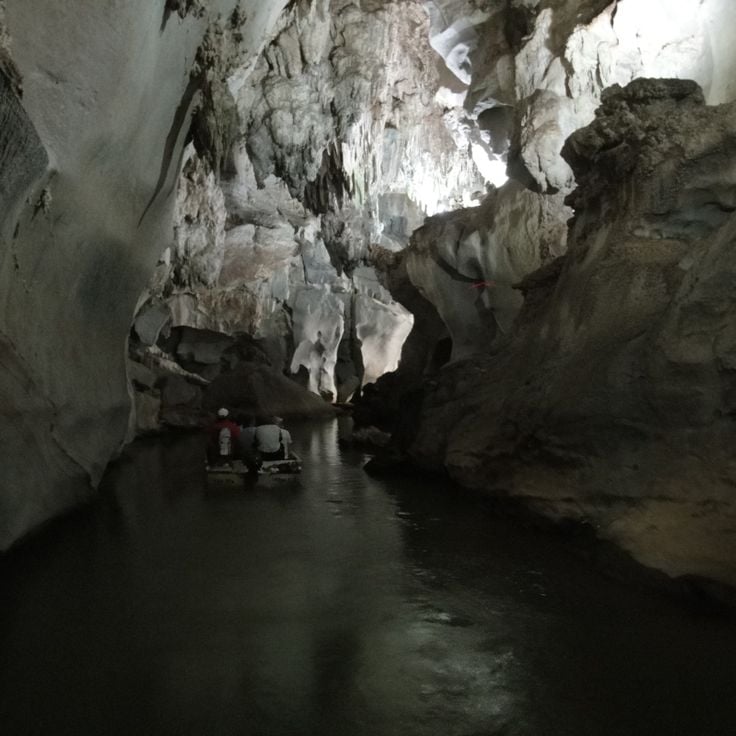
Cueva del Guácharo is a cave that extends for 10 kilometers and serves as a notable location for photographers documenting Venezuela's diverse landscapes. Thousands of nocturnal birds inhabit this cave, using echolocation to navigate through the darkness. The cave formations create dramatic shapes and offer unique lighting conditions for photography. Visiting this site reveals the natural variety of Venezuela in a way that differs from the waterfalls and beaches found elsewhere in the country.
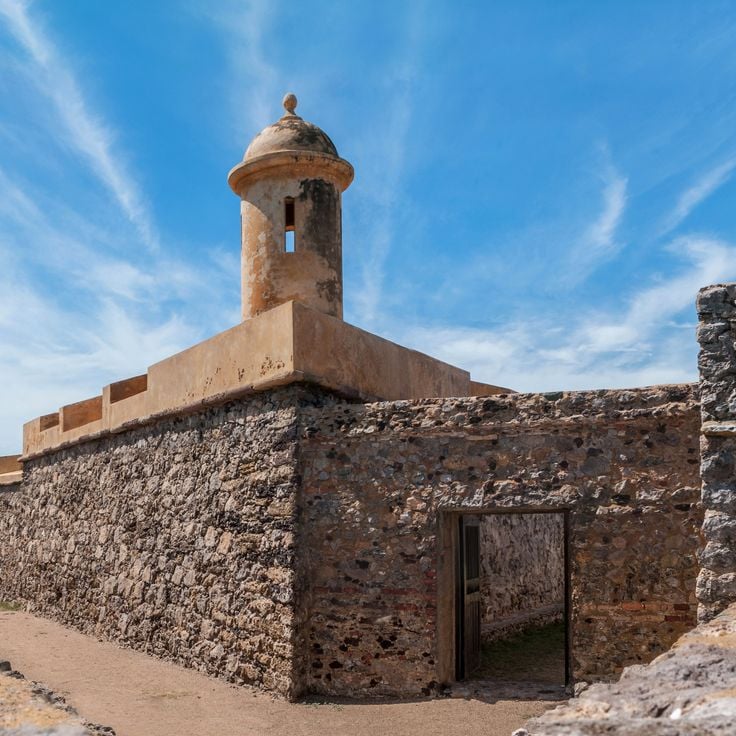
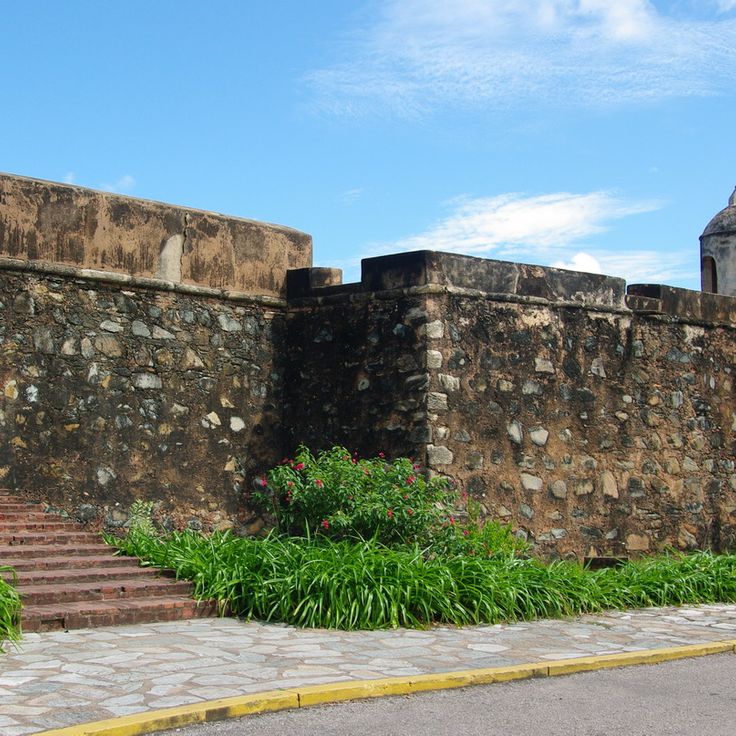
The Castillo de San Carlos de la Barra is a 17th century military complex that offers photographers a historic location in Venezuela. The fortress once protected the entrance to Lake Maracaibo and defended against pirate raids. Today, this structure provides photographic opportunities for those interested in colonial military architecture and the defensive heritage of Venezuela.
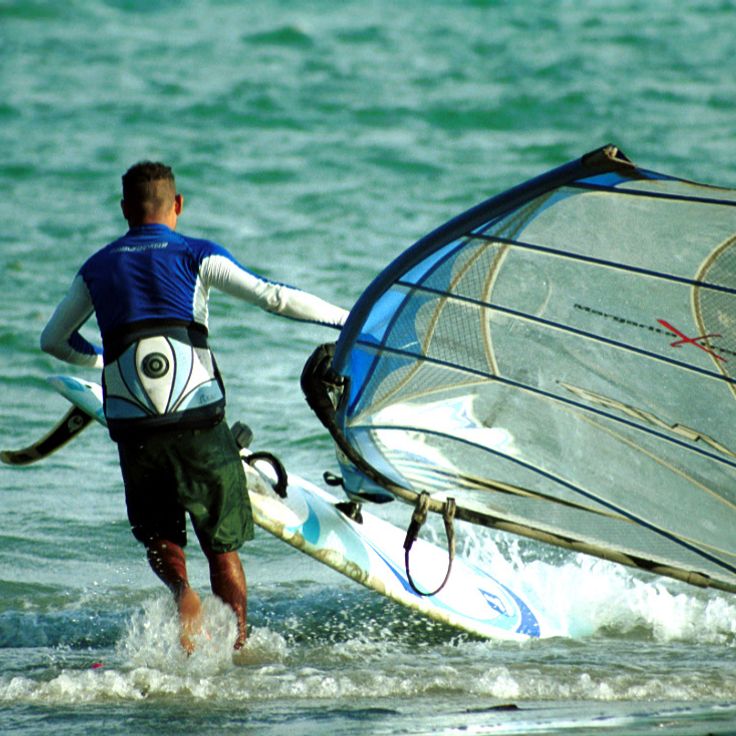
Playa El Yaque is a Caribbean beach in Venezuela that serves as a training spot for water sports enthusiasts. The beach has steady wind patterns and temperatures around 27°C, creating excellent conditions for windsurfing and kitesurfing. As a photography location, this beach captures the active side of Venezuela, where athletes and water sports are central to the coastal life.
Salto Sapo is a 20-meter waterfall in Canaima National Park, offering photographers a unique opportunity. A walkway allows visitors to pass behind the falling water through a wet cave. The waterfall sits between the park's distinctive table mountains, creating a dramatic backdrop. This location is perfect for capturing waterfalls in their natural environment.
Isla de Margarita offers photography opportunities for those exploring Venezuela's diverse landscapes. This island features white sand beaches and clear water that draws swimmers and divers. The location captures coastal beauty and daily island life alongside historical structures and local culture.
Sierra Nevada National Park near Mérida offers varied subjects for mountain photography. The park spans mountain ranges that exceed 4000 meters in elevation and support permanent glaciers. Pico Espejo rises to 4765 meters, the park's tallest peak. Steep slopes, snow-covered summits, and alpine meadows provide excellent opportunities to photograph high-altitude landscapes and natural formations.
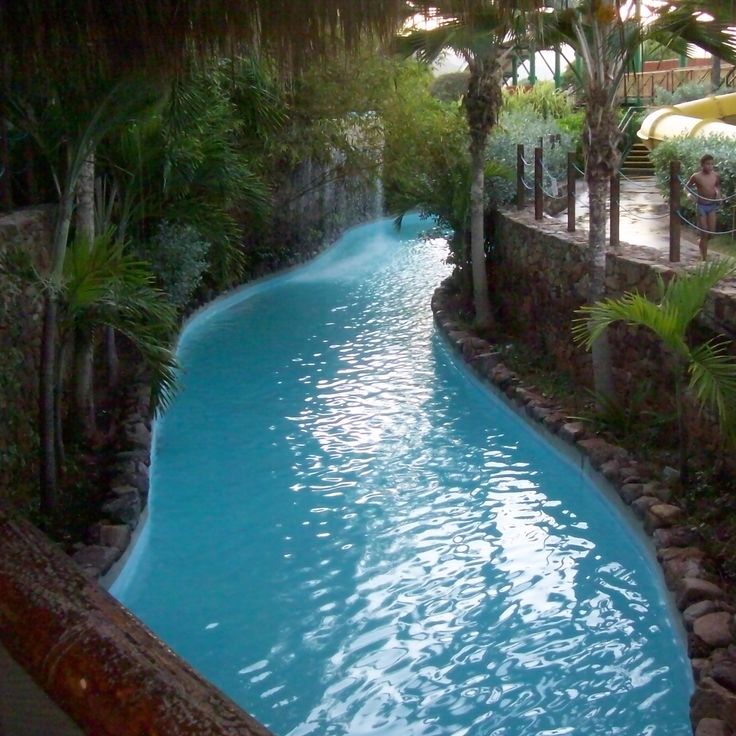
Parque El Agua is a water park in Nueva Esparta that offers diverse photography opportunities for a visit. The park features slides, swimming pools and various water attractions for visitors of all ages. This makes it an interesting location for photography in Venezuela, where alongside natural landscapes like Angel Falls, modern recreational facilities also exist.
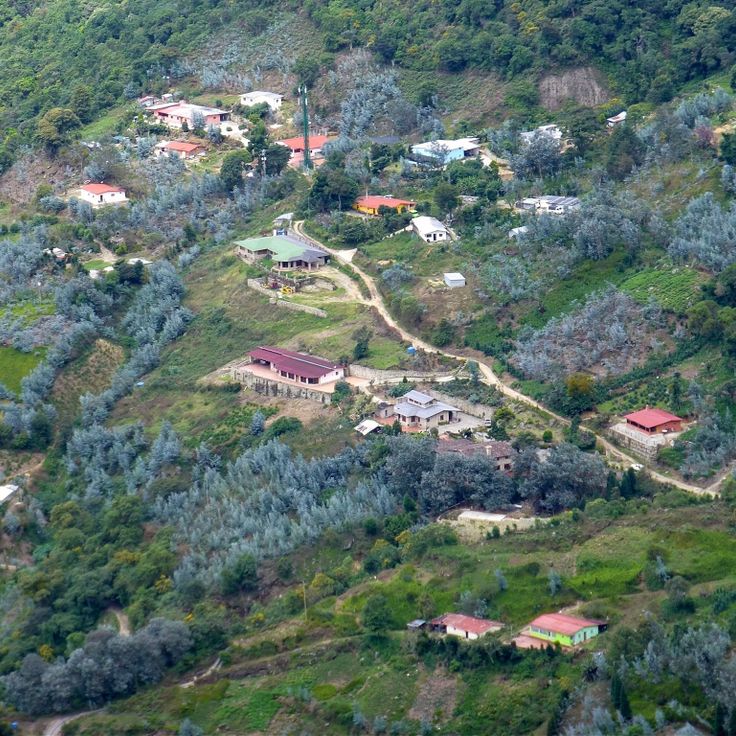
Galipán Village is a mountain settlement ideal for photographers exploring Venezuela's diverse landscapes. Situated at 2000 meters elevation, this village offers direct views over Caracas city and the Caribbean coast. From this vantage point, photographers can capture the contrast between highland terrain and urban development, making it suitable for landscape photography in varying light conditions.
San Esteban National Park is a protected area along Venezuela's coast with coastal forest, mangrove swamps and mountains. The park offers varied landscapes for photographers exploring Venezuela's natural diversity. The nearby colonial San Felipe Castle and Puerto Cabello port reveal the region's history and provide additional subjects for photographic exploration.
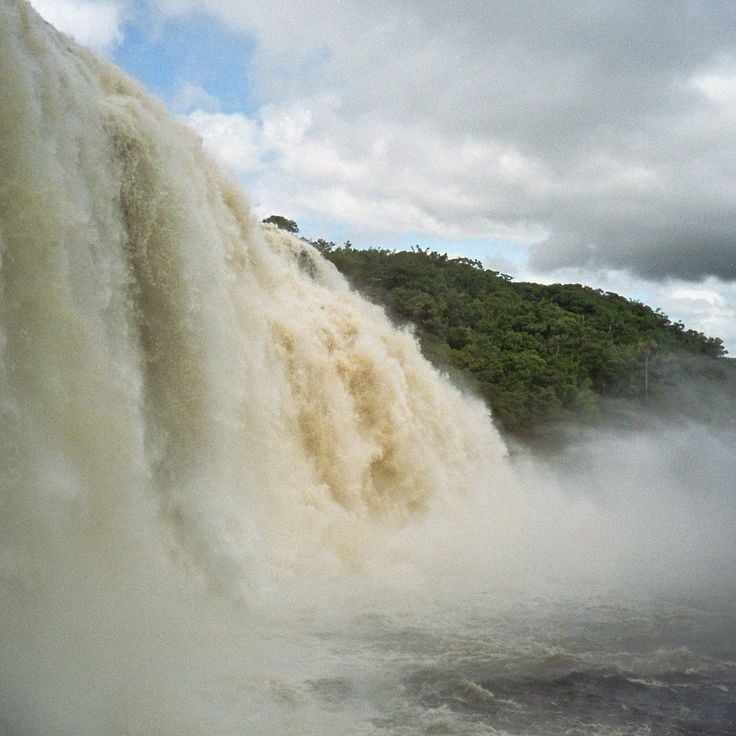
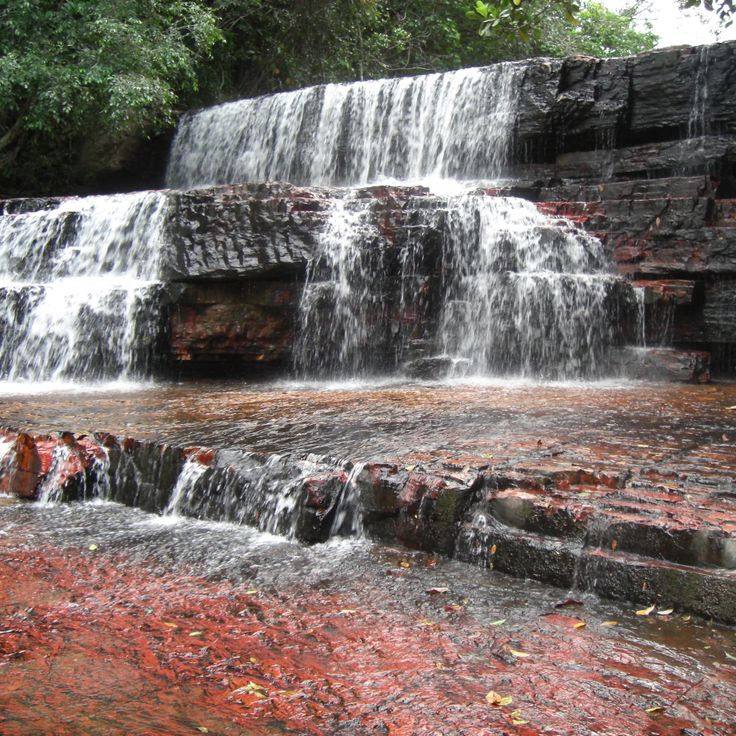
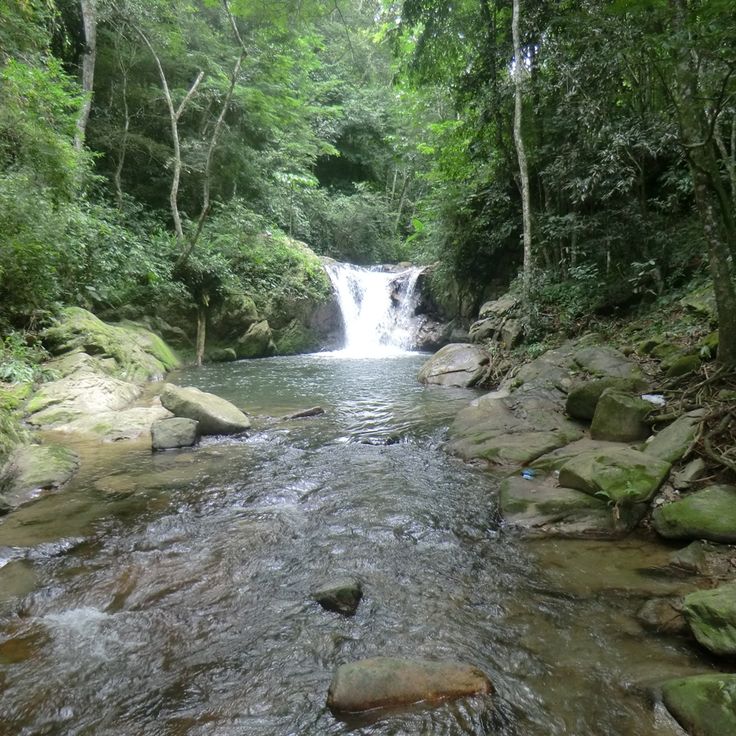
This waterfall in Bolívar is a subject for photographers documenting Venezuela's varied landscapes. The water cascades over red jasper stone formations. The mineral-rich flow stains the rocks in different shades of red. The unusual color effect comes from natural minerals in the stone.
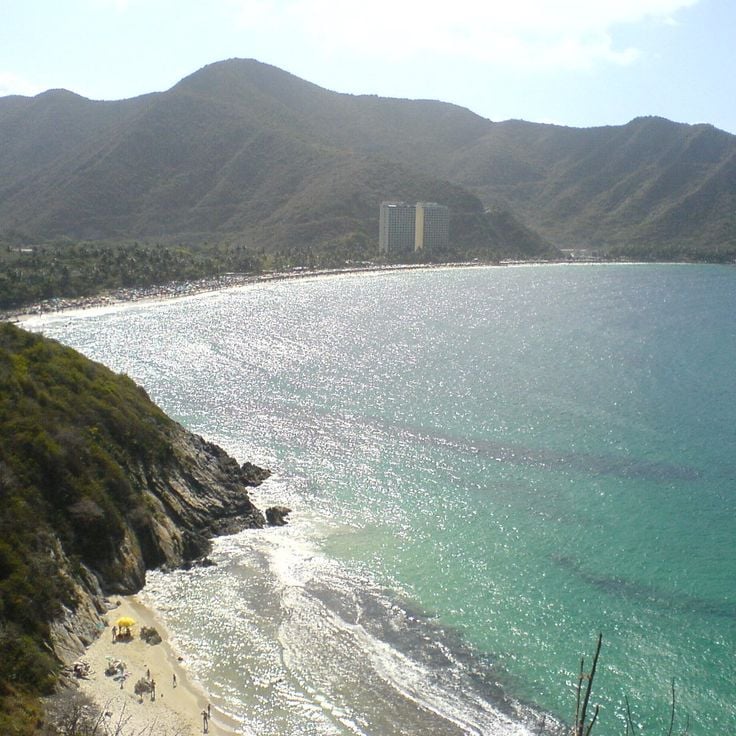
Bahía de Cata offers photographers a range of subjects for their cameras. The water displays shades of turquoise along the coast. The golden sand stretches across the beach and provides strong contrasts for images. This beach is part of Venezuela's diverse coastal landscapes, where water and sand create engaging compositions for photography.
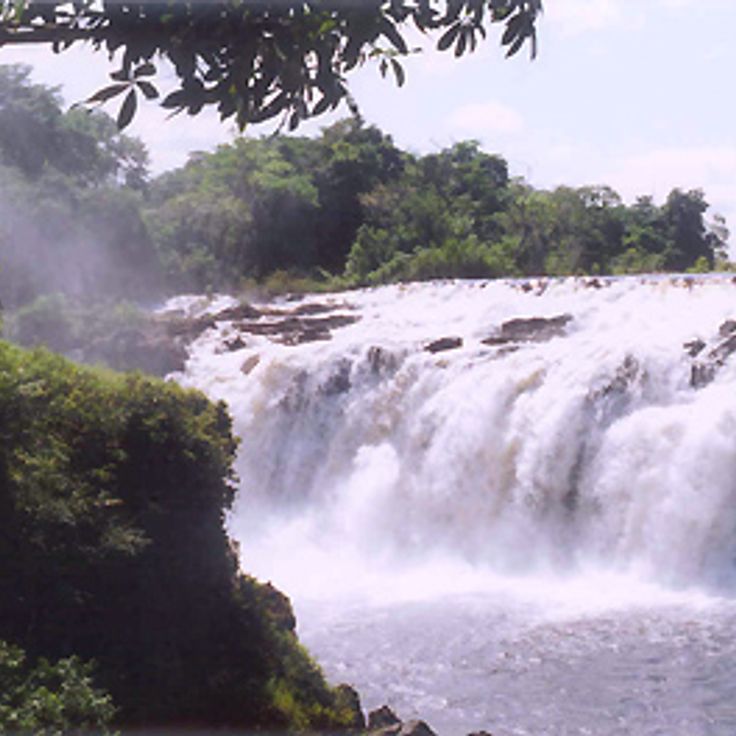
Parque la Llovizna offers photographers numerous opportunities with its network of walking paths, multiple suspension bridges crossing the river, and waterfalls with observation points. As part of Venezuela's diverse landscapes, this park is excellent for capturing the water features and natural beauty of the region.
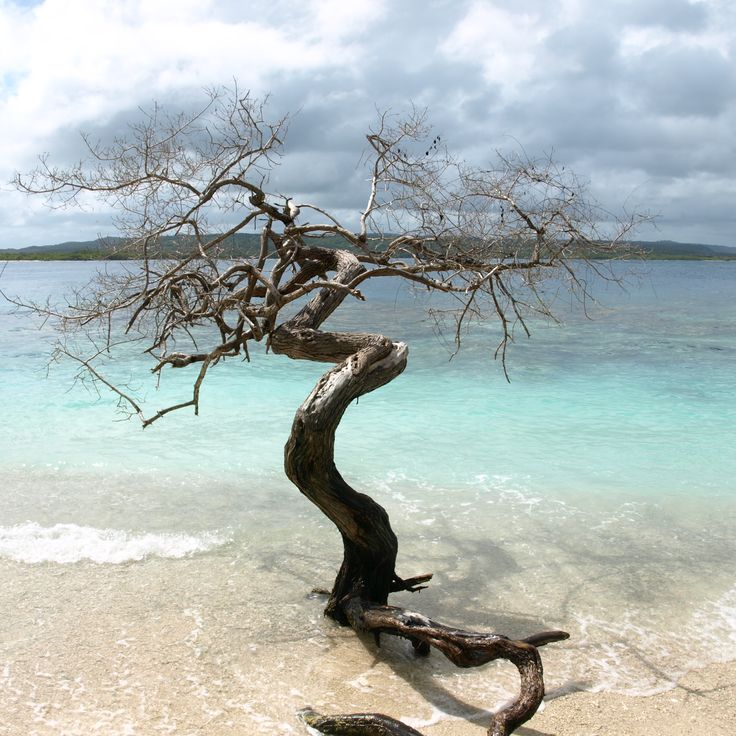
Isla Coche is a Caribbean island with long sandy beaches and warm ocean waters that average 26 degrees Celsius. This location offers excellent conditions for photographers capturing beach scenes and water sports activities against tropical backdrops.
This castle from the 18th century stands on a hill in Nueva Esparta and displays the structure of a Spanish defensive fort. It is a location for photographers seeking to document colonial military architecture within Venezuela's diverse landscapes.
This mountain range separates Caracas from the Caribbean Sea and serves as an important photography location within the collection of Venezuelan landscapes. The park features hiking trails that wind through tropical forests filled with diverse plants and animals. Photographers can capture the contrast between natural wilderness and the urban environment below. The forest interior offers filtered light and rich vegetation for nature photography.
The Cueva del Indio in Vargas is a limestone cave featuring pre-Columbian rock art and several spacious chambers with mineral deposits along its walls. This site offers photographers chances to capture intricate carvings and geological formations that showcase the diverse landscapes found throughout Venezuela.
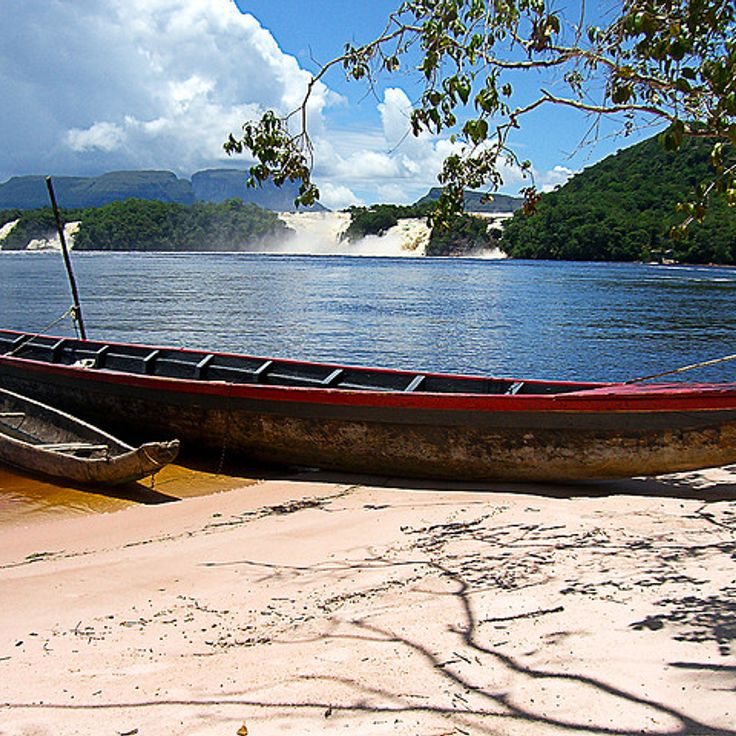
Canaima Lagoon serves as a striking photography location within Venezuela's diverse landscapes. The lagoon sits at the base of Auyan-Tepui mountain and receives water from seven waterfalls cascading over red sandstone cliffs into turquoise waters. The contrast between the towering table mountain and the clear water makes this spot appealing for photographers documenting the park's natural features.
This Caribbean island within Venezuela's Federal Dependencies offers excellent photography opportunities for the collection of Venezuela's diverse landscapes. Isla Blanquilla features white sand beaches and is an ideal location for capturing coral reefs and diving spots. The island is accessible only by boat or plane, giving it a remote character that appeals to photographers seeking secluded coastal scenes.
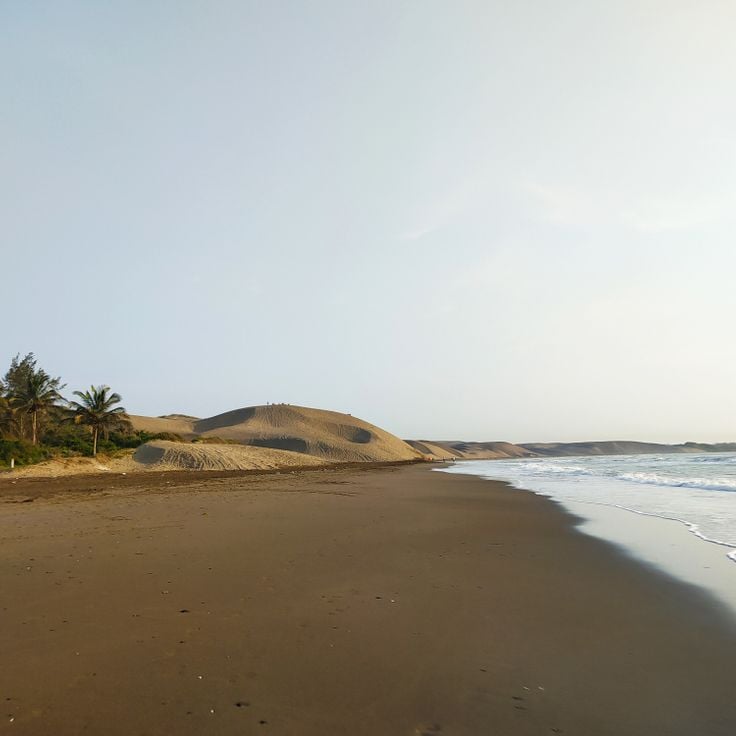
The Dunas de Chachalacas are natural sand formations that extend for several kilometers along the coast. For photographers exploring Venezuela's diverse landscapes, these dunes offer compelling visual opportunities. The sand hills reach heights of up to 40 meters, creating dynamic compositions of light and shadow, especially during morning and evening hours.
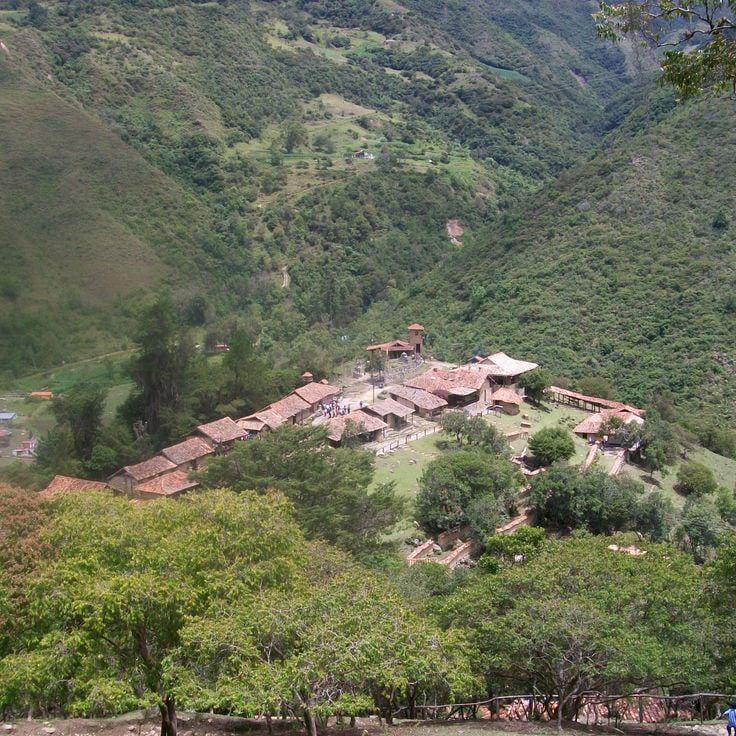
Los Aleros is a historical park in Mérida that fits within this collection of photography locations across Venezuela's varied landscapes. The park displays reconstructed houses, craft workshops and gardens that show how people lived in the Andean region during the 19th century. Visitors can walk through spaces that reveal traditional architecture and the daily practices of mountain communities from that era.
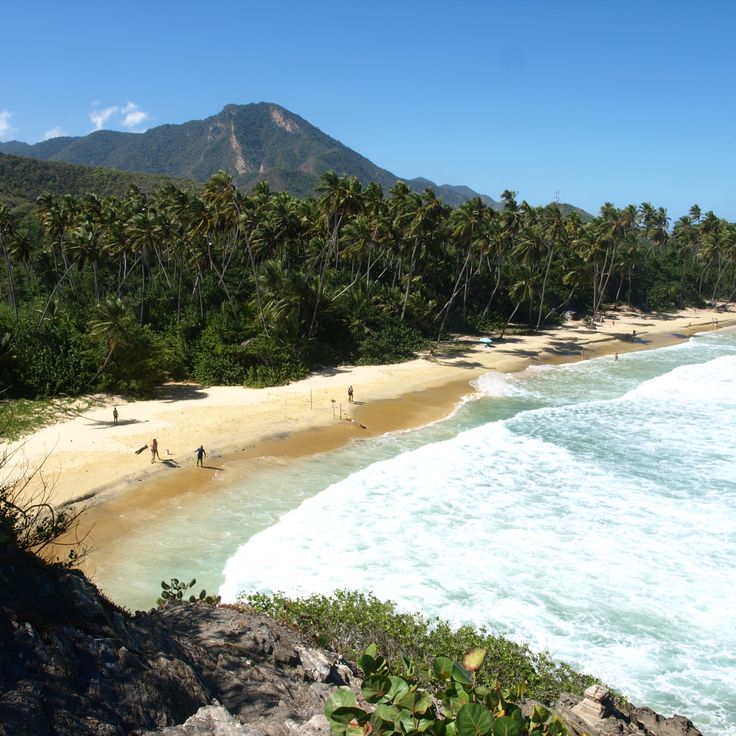
Choroní Beach is a sandy shore on the Caribbean coast, offering photographers a place to capture Venezuela's diverse landscapes. The beach sits between the mountain slopes of Henri Pittier National Park and the warm Caribbean Sea. Light here creates rich colors, especially during sunrise and sunset. The beach combines natural beauty with a calm setting that draws photographers to explore the interplay of water, sand, and forested hills.
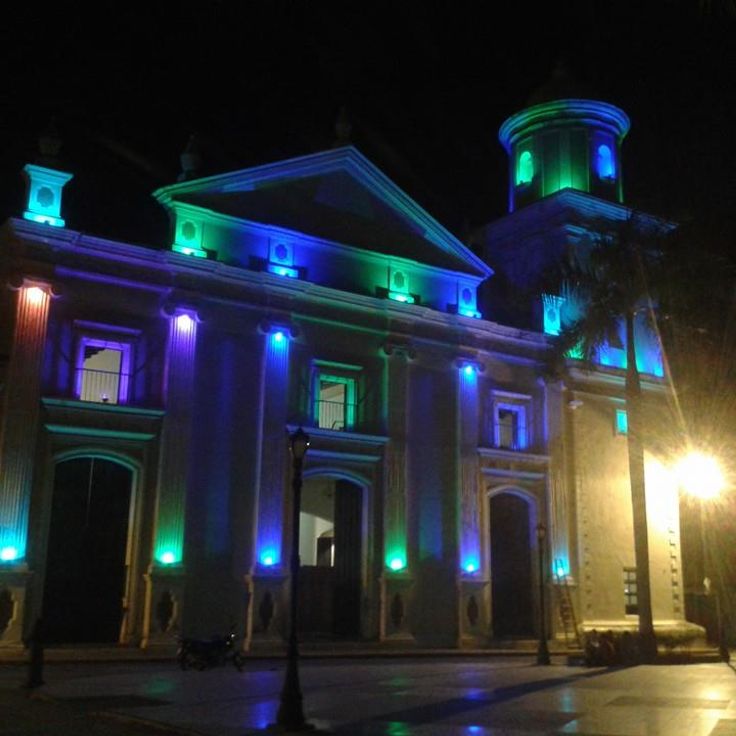
San Carlos Cathedral is a church built in 1720 that displays Renaissance features and serves as the religious center of the region. For photographers exploring Venezuela's diverse landscapes and colonial architecture, this cathedral offers an important subject that reflects the country's historical past and continues to host regular services for the community.
Angel Falls is a major photography location in Venezuela's diverse landscape collection. The waterfall drops 979 meters straight down, reaching a total height of 1,054 meters within the tropical rainforest. The falls cascade through Canaima National Park, surrounded by table-topped mountains and thick vegetation. Photographers can capture the water falling through mist, with changing light creating different moods throughout the day.
Mount Roraima serves as a striking subject for photographers exploring Venezuela's varied landscapes. The tabletop mountain reaches 2810 meters and features sheer rock walls that rise dramatically from the surrounding plain. Endemic plants and animals live within its rocky crevices and slopes, found nowhere else on earth. The mountain's distinctive form creates compelling compositions, especially when clouds gather around its summit or light breaks across its vertical faces.
Morrocoy National Park is a coastal location for photographers documenting Venezuela's varied landscapes. The park contains white sand beaches, coral reefs and mangrove forests. Visitors can observe and photograph flamingos, pelicans and sea turtles. The waters display different shades, and the coastline offers rich subjects for nature photography.
Los Roques Archipelago offers diverse subjects for photographers. This Caribbean island group consists of about 350 coral islands with white sand beaches and turquoise waters located north of Venezuela. The archipelago displays untouched coastal landscapes and clear water that invite underwater photography. Divers and snorkelers encounter coral gardens and colorful fish species. The light on the open sea changes constantly, providing varied conditions for landscape and wildlife photography.
The Médanos de Coro are a sand desert landscape in Falcón that offers photographers an opportunity to capture one of Venezuela's distinct environments. This sandy terrain contrasts sharply with the waterfalls and beaches found elsewhere in the country, providing unique compositions for those documenting Venezuela's diverse photography subjects.
Pico Bolívar stands as Venezuela's highest mountain at 4978 meters elevation. This peak offers photographers stunning views across multiple landscape zones. The ascent passes through different elevation areas of the Andes, each with its own character. The mountain's position and natural setting make it a valuable location for capturing diverse landscapes in Venezuela.
La Gran Sabana is a highland region in Venezuela that offers diverse photography subjects. The area features table mountains that reach about 2800 meters, tropical forests, natural waterfalls and red sandstone rock formations. This location provides photographers with varied subjects to capture and represents the landscape diversity that Venezuela presents.
The Orinoco Delta is an expansive river delta with waterways and mangrove forests that appeals to photographers exploring Venezuela's natural landscapes. The region is home to Warao indigenous communities whose traditional ways of life unfold along the banks, offering compelling subjects for those interested in documenting indigenous cultures and river ecosystems.
The Cable Car of Mérida is an aerial transport system for photographers documenting the landscapes of the Venezuelan Andes. This system travels 12.5 kilometers and reaches an elevation of 4765 meters. During the journey, views open onto mountain ranges, valleys, and changing vegetation. The cable car offers perspectives unavailable from the ground and captures the elevation changes and natural features of the region.
Catatumbo Lightning is a meteorological phenomenon over Lake Maracaibo in Venezuela that attracts photographers seeking to capture nature's power. Each night, up to 280 lightning strikes per hour flash across the sky in dramatic patterns. For photographers documenting Venezuela's varied landscapes from waterfalls to beaches, this natural display offers a rare chance to record electric energy illuminating the night sky.
Mochima National Park is a coastal location for photographers documenting Caribbean landscapes in Venezuela. The park spreads across a large area along the coast and holds coral reefs, mangrove forests, and small islands. The variety of these habitats offers different subjects: clear waters of the bays, dense mangrove trees along the shore, and rocky islands in the sea. This park adds to Venezuela's photography locations alongside Angel Falls and Los Roques beaches.
Plaza Bolívar is a key location for photographers exploring Venezuela's architecture. This central square in Caracas shows how colonial buildings stand alongside modern structures throughout the capital. Government buildings, the cathedral, and an equestrian statue of Simón Bolívar shape the character of this plaza. It offers excellent opportunities to document the urban landscape and historical elements that define the city.
The Botanical Garden of Caracas spreads across a large area with more than 2000 plant species from Venezuela and other tropical regions of the world. This place offers photographers many opportunities to capture the diversity of green spaces and fits well within the collection of photography locations in Venezuela.
Cueva del Guácharo is a cave that extends for 10 kilometers and serves as a notable location for photographers documenting Venezuela's diverse landscapes. Thousands of nocturnal birds inhabit this cave, using echolocation to navigate through the darkness. The cave formations create dramatic shapes and offer unique lighting conditions for photography. Visiting this site reveals the natural variety of Venezuela in a way that differs from the waterfalls and beaches found elsewhere in the country.
The Castillo de San Carlos de la Barra is a 17th century military complex that offers photographers a historic location in Venezuela. The fortress once protected the entrance to Lake Maracaibo and defended against pirate raids. Today, this structure provides photographic opportunities for those interested in colonial military architecture and the defensive heritage of Venezuela.
Playa El Yaque is a Caribbean beach in Venezuela that serves as a training spot for water sports enthusiasts. The beach has steady wind patterns and temperatures around 27°C, creating excellent conditions for windsurfing and kitesurfing. As a photography location, this beach captures the active side of Venezuela, where athletes and water sports are central to the coastal life.
Salto Sapo is a 20-meter waterfall in Canaima National Park, offering photographers a unique opportunity. A walkway allows visitors to pass behind the falling water through a wet cave. The waterfall sits between the park's distinctive table mountains, creating a dramatic backdrop. This location is perfect for capturing waterfalls in their natural environment.
Isla de Margarita offers photography opportunities for those exploring Venezuela's diverse landscapes. This island features white sand beaches and clear water that draws swimmers and divers. The location captures coastal beauty and daily island life alongside historical structures and local culture.
Sierra Nevada National Park near Mérida offers varied subjects for mountain photography. The park spans mountain ranges that exceed 4000 meters in elevation and support permanent glaciers. Pico Espejo rises to 4765 meters, the park's tallest peak. Steep slopes, snow-covered summits, and alpine meadows provide excellent opportunities to photograph high-altitude landscapes and natural formations.
Parque El Agua is a water park in Nueva Esparta that offers diverse photography opportunities for a visit. The park features slides, swimming pools and various water attractions for visitors of all ages. This makes it an interesting location for photography in Venezuela, where alongside natural landscapes like Angel Falls, modern recreational facilities also exist.
Galipán Village is a mountain settlement ideal for photographers exploring Venezuela's diverse landscapes. Situated at 2000 meters elevation, this village offers direct views over Caracas city and the Caribbean coast. From this vantage point, photographers can capture the contrast between highland terrain and urban development, making it suitable for landscape photography in varying light conditions.
San Esteban National Park is a protected area along Venezuela's coast with coastal forest, mangrove swamps and mountains. The park offers varied landscapes for photographers exploring Venezuela's natural diversity. The nearby colonial San Felipe Castle and Puerto Cabello port reveal the region's history and provide additional subjects for photographic exploration.
This waterfall in Bolívar is a subject for photographers documenting Venezuela's varied landscapes. The water cascades over red jasper stone formations. The mineral-rich flow stains the rocks in different shades of red. The unusual color effect comes from natural minerals in the stone.
Bahía de Cata offers photographers a range of subjects for their cameras. The water displays shades of turquoise along the coast. The golden sand stretches across the beach and provides strong contrasts for images. This beach is part of Venezuela's diverse coastal landscapes, where water and sand create engaging compositions for photography.
Parque la Llovizna offers photographers numerous opportunities with its network of walking paths, multiple suspension bridges crossing the river, and waterfalls with observation points. As part of Venezuela's diverse landscapes, this park is excellent for capturing the water features and natural beauty of the region.
Isla Coche is a Caribbean island with long sandy beaches and warm ocean waters that average 26 degrees Celsius. This location offers excellent conditions for photographers capturing beach scenes and water sports activities against tropical backdrops.
This castle from the 18th century stands on a hill in Nueva Esparta and displays the structure of a Spanish defensive fort. It is a location for photographers seeking to document colonial military architecture within Venezuela's diverse landscapes.
This mountain range separates Caracas from the Caribbean Sea and serves as an important photography location within the collection of Venezuelan landscapes. The park features hiking trails that wind through tropical forests filled with diverse plants and animals. Photographers can capture the contrast between natural wilderness and the urban environment below. The forest interior offers filtered light and rich vegetation for nature photography.
The Cueva del Indio in Vargas is a limestone cave featuring pre-Columbian rock art and several spacious chambers with mineral deposits along its walls. This site offers photographers chances to capture intricate carvings and geological formations that showcase the diverse landscapes found throughout Venezuela.
Canaima Lagoon serves as a striking photography location within Venezuela's diverse landscapes. The lagoon sits at the base of Auyan-Tepui mountain and receives water from seven waterfalls cascading over red sandstone cliffs into turquoise waters. The contrast between the towering table mountain and the clear water makes this spot appealing for photographers documenting the park's natural features.
This Caribbean island within Venezuela's Federal Dependencies offers excellent photography opportunities for the collection of Venezuela's diverse landscapes. Isla Blanquilla features white sand beaches and is an ideal location for capturing coral reefs and diving spots. The island is accessible only by boat or plane, giving it a remote character that appeals to photographers seeking secluded coastal scenes.
The Dunas de Chachalacas are natural sand formations that extend for several kilometers along the coast. For photographers exploring Venezuela's diverse landscapes, these dunes offer compelling visual opportunities. The sand hills reach heights of up to 40 meters, creating dynamic compositions of light and shadow, especially during morning and evening hours.
Los Aleros is a historical park in Mérida that fits within this collection of photography locations across Venezuela's varied landscapes. The park displays reconstructed houses, craft workshops and gardens that show how people lived in the Andean region during the 19th century. Visitors can walk through spaces that reveal traditional architecture and the daily practices of mountain communities from that era.
Choroní Beach is a sandy shore on the Caribbean coast, offering photographers a place to capture Venezuela's diverse landscapes. The beach sits between the mountain slopes of Henri Pittier National Park and the warm Caribbean Sea. Light here creates rich colors, especially during sunrise and sunset. The beach combines natural beauty with a calm setting that draws photographers to explore the interplay of water, sand, and forested hills.
San Carlos Cathedral is a church built in 1720 that displays Renaissance features and serves as the religious center of the region. For photographers exploring Venezuela's diverse landscapes and colonial architecture, this cathedral offers an important subject that reflects the country's historical past and continues to host regular services for the community.
Angel Falls is a major photography location in Venezuela's diverse landscape collection. The waterfall drops 979 meters straight down, reaching a total height of 1,054 meters within the tropical rainforest. The falls cascade through Canaima National Park, surrounded by table-topped mountains and thick vegetation. Photographers can capture the water falling through mist, with changing light creating different moods throughout the day.
Mount Roraima serves as a striking subject for photographers exploring Venezuela's varied landscapes. The tabletop mountain reaches 2810 meters and features sheer rock walls that rise dramatically from the surrounding plain. Endemic plants and animals live within its rocky crevices and slopes, found nowhere else on earth. The mountain's distinctive form creates compelling compositions, especially when clouds gather around its summit or light breaks across its vertical faces.
Morrocoy National Park is a coastal location for photographers documenting Venezuela's varied landscapes. The park contains white sand beaches, coral reefs and mangrove forests. Visitors can observe and photograph flamingos, pelicans and sea turtles. The waters display different shades, and the coastline offers rich subjects for nature photography.
Los Roques Archipelago offers diverse subjects for photographers. This Caribbean island group consists of about 350 coral islands with white sand beaches and turquoise waters located north of Venezuela. The archipelago displays untouched coastal landscapes and clear water that invite underwater photography. Divers and snorkelers encounter coral gardens and colorful fish species. The light on the open sea changes constantly, providing varied conditions for landscape and wildlife photography.
The Médanos de Coro are a sand desert landscape in Falcón that offers photographers an opportunity to capture one of Venezuela's distinct environments. This sandy terrain contrasts sharply with the waterfalls and beaches found elsewhere in the country, providing unique compositions for those documenting Venezuela's diverse photography subjects.
Pico Bolívar stands as Venezuela's highest mountain at 4978 meters elevation. This peak offers photographers stunning views across multiple landscape zones. The ascent passes through different elevation areas of the Andes, each with its own character. The mountain's position and natural setting make it a valuable location for capturing diverse landscapes in Venezuela.
La Gran Sabana is a highland region in Venezuela that offers diverse photography subjects. The area features table mountains that reach about 2800 meters, tropical forests, natural waterfalls and red sandstone rock formations. This location provides photographers with varied subjects to capture and represents the landscape diversity that Venezuela presents.
The Orinoco Delta is an expansive river delta with waterways and mangrove forests that appeals to photographers exploring Venezuela's natural landscapes. The region is home to Warao indigenous communities whose traditional ways of life unfold along the banks, offering compelling subjects for those interested in documenting indigenous cultures and river ecosystems.
The Cable Car of Mérida is an aerial transport system for photographers documenting the landscapes of the Venezuelan Andes. This system travels 12.5 kilometers and reaches an elevation of 4765 meters. During the journey, views open onto mountain ranges, valleys, and changing vegetation. The cable car offers perspectives unavailable from the ground and captures the elevation changes and natural features of the region.
Catatumbo Lightning is a meteorological phenomenon over Lake Maracaibo in Venezuela that attracts photographers seeking to capture nature's power. Each night, up to 280 lightning strikes per hour flash across the sky in dramatic patterns. For photographers documenting Venezuela's varied landscapes from waterfalls to beaches, this natural display offers a rare chance to record electric energy illuminating the night sky.
Mochima National Park is a coastal location for photographers documenting Caribbean landscapes in Venezuela. The park spreads across a large area along the coast and holds coral reefs, mangrove forests, and small islands. The variety of these habitats offers different subjects: clear waters of the bays, dense mangrove trees along the shore, and rocky islands in the sea. This park adds to Venezuela's photography locations alongside Angel Falls and Los Roques beaches.
Plaza Bolívar is a key location for photographers exploring Venezuela's architecture. This central square in Caracas shows how colonial buildings stand alongside modern structures throughout the capital. Government buildings, the cathedral, and an equestrian statue of Simón Bolívar shape the character of this plaza. It offers excellent opportunities to document the urban landscape and historical elements that define the city.
The Botanical Garden of Caracas spreads across a large area with more than 2000 plant species from Venezuela and other tropical regions of the world. This place offers photographers many opportunities to capture the diversity of green spaces and fits well within the collection of photography locations in Venezuela.
Cueva del Guácharo is a cave that extends for 10 kilometers and serves as a notable location for photographers documenting Venezuela's diverse landscapes. Thousands of nocturnal birds inhabit this cave, using echolocation to navigate through the darkness. The cave formations create dramatic shapes and offer unique lighting conditions for photography. Visiting this site reveals the natural variety of Venezuela in a way that differs from the waterfalls and beaches found elsewhere in the country.
The Castillo de San Carlos de la Barra is a 17th century military complex that offers photographers a historic location in Venezuela. The fortress once protected the entrance to Lake Maracaibo and defended against pirate raids. Today, this structure provides photographic opportunities for those interested in colonial military architecture and the defensive heritage of Venezuela.
Playa El Yaque is a Caribbean beach in Venezuela that serves as a training spot for water sports enthusiasts. The beach has steady wind patterns and temperatures around 27°C, creating excellent conditions for windsurfing and kitesurfing. As a photography location, this beach captures the active side of Venezuela, where athletes and water sports are central to the coastal life.
Salto Sapo is a 20-meter waterfall in Canaima National Park, offering photographers a unique opportunity. A walkway allows visitors to pass behind the falling water through a wet cave. The waterfall sits between the park's distinctive table mountains, creating a dramatic backdrop. This location is perfect for capturing waterfalls in their natural environment.
Isla de Margarita offers photography opportunities for those exploring Venezuela's diverse landscapes. This island features white sand beaches and clear water that draws swimmers and divers. The location captures coastal beauty and daily island life alongside historical structures and local culture.
Sierra Nevada National Park near Mérida offers varied subjects for mountain photography. The park spans mountain ranges that exceed 4000 meters in elevation and support permanent glaciers. Pico Espejo rises to 4765 meters, the park's tallest peak. Steep slopes, snow-covered summits, and alpine meadows provide excellent opportunities to photograph high-altitude landscapes and natural formations.
Parque El Agua is a water park in Nueva Esparta that offers diverse photography opportunities for a visit. The park features slides, swimming pools and various water attractions for visitors of all ages. This makes it an interesting location for photography in Venezuela, where alongside natural landscapes like Angel Falls, modern recreational facilities also exist.
Galipán Village is a mountain settlement ideal for photographers exploring Venezuela's diverse landscapes. Situated at 2000 meters elevation, this village offers direct views over Caracas city and the Caribbean coast. From this vantage point, photographers can capture the contrast between highland terrain and urban development, making it suitable for landscape photography in varying light conditions.
San Esteban National Park is a protected area along Venezuela's coast with coastal forest, mangrove swamps and mountains. The park offers varied landscapes for photographers exploring Venezuela's natural diversity. The nearby colonial San Felipe Castle and Puerto Cabello port reveal the region's history and provide additional subjects for photographic exploration.
This waterfall in Bolívar is a subject for photographers documenting Venezuela's varied landscapes. The water cascades over red jasper stone formations. The mineral-rich flow stains the rocks in different shades of red. The unusual color effect comes from natural minerals in the stone.
Bahía de Cata offers photographers a range of subjects for their cameras. The water displays shades of turquoise along the coast. The golden sand stretches across the beach and provides strong contrasts for images. This beach is part of Venezuela's diverse coastal landscapes, where water and sand create engaging compositions for photography.
Parque la Llovizna offers photographers numerous opportunities with its network of walking paths, multiple suspension bridges crossing the river, and waterfalls with observation points. As part of Venezuela's diverse landscapes, this park is excellent for capturing the water features and natural beauty of the region.
Isla Coche is a Caribbean island with long sandy beaches and warm ocean waters that average 26 degrees Celsius. This location offers excellent conditions for photographers capturing beach scenes and water sports activities against tropical backdrops.
This castle from the 18th century stands on a hill in Nueva Esparta and displays the structure of a Spanish defensive fort. It is a location for photographers seeking to document colonial military architecture within Venezuela's diverse landscapes.
This mountain range separates Caracas from the Caribbean Sea and serves as an important photography location within the collection of Venezuelan landscapes. The park features hiking trails that wind through tropical forests filled with diverse plants and animals. Photographers can capture the contrast between natural wilderness and the urban environment below. The forest interior offers filtered light and rich vegetation for nature photography.
The Cueva del Indio in Vargas is a limestone cave featuring pre-Columbian rock art and several spacious chambers with mineral deposits along its walls. This site offers photographers chances to capture intricate carvings and geological formations that showcase the diverse landscapes found throughout Venezuela.
Canaima Lagoon serves as a striking photography location within Venezuela's diverse landscapes. The lagoon sits at the base of Auyan-Tepui mountain and receives water from seven waterfalls cascading over red sandstone cliffs into turquoise waters. The contrast between the towering table mountain and the clear water makes this spot appealing for photographers documenting the park's natural features.
This Caribbean island within Venezuela's Federal Dependencies offers excellent photography opportunities for the collection of Venezuela's diverse landscapes. Isla Blanquilla features white sand beaches and is an ideal location for capturing coral reefs and diving spots. The island is accessible only by boat or plane, giving it a remote character that appeals to photographers seeking secluded coastal scenes.
The Dunas de Chachalacas are natural sand formations that extend for several kilometers along the coast. For photographers exploring Venezuela's diverse landscapes, these dunes offer compelling visual opportunities. The sand hills reach heights of up to 40 meters, creating dynamic compositions of light and shadow, especially during morning and evening hours.
Los Aleros is a historical park in Mérida that fits within this collection of photography locations across Venezuela's varied landscapes. The park displays reconstructed houses, craft workshops and gardens that show how people lived in the Andean region during the 19th century. Visitors can walk through spaces that reveal traditional architecture and the daily practices of mountain communities from that era.
Choroní Beach is a sandy shore on the Caribbean coast, offering photographers a place to capture Venezuela's diverse landscapes. The beach sits between the mountain slopes of Henri Pittier National Park and the warm Caribbean Sea. Light here creates rich colors, especially during sunrise and sunset. The beach combines natural beauty with a calm setting that draws photographers to explore the interplay of water, sand, and forested hills.
San Carlos Cathedral is a church built in 1720 that displays Renaissance features and serves as the religious center of the region. For photographers exploring Venezuela's diverse landscapes and colonial architecture, this cathedral offers an important subject that reflects the country's historical past and continues to host regular services for the community.