Lake Maracaibo, Natural lake in northwestern Venezuela
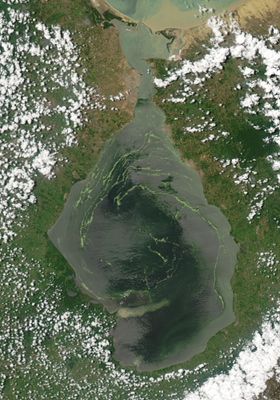
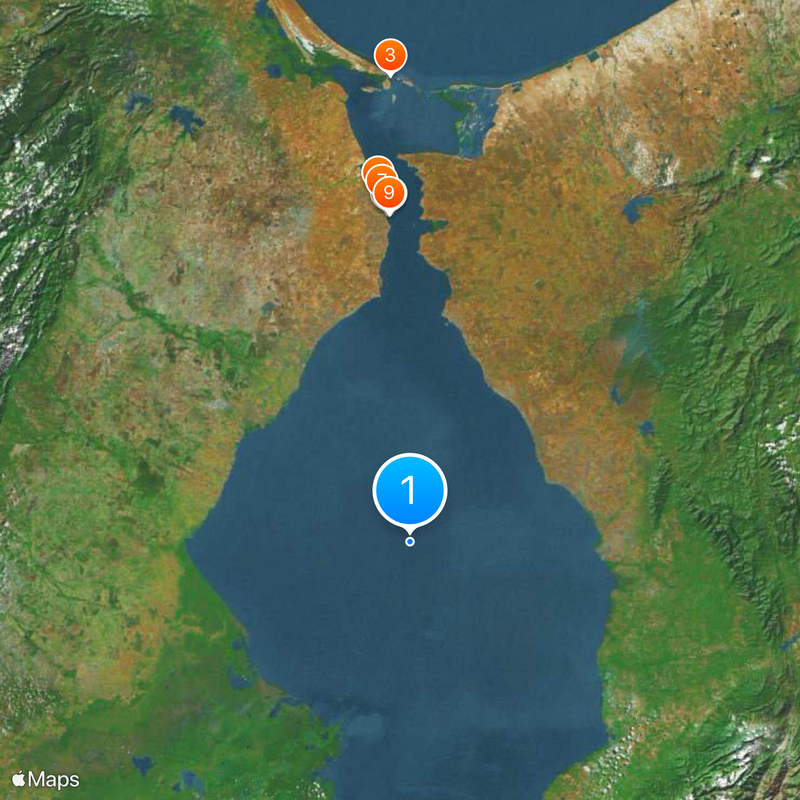
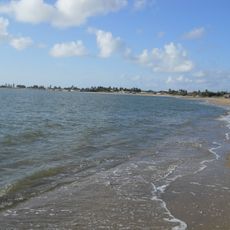
Lake Maracaibo is a water body in northwestern Venezuela covering more than 13,000 square kilometers, forming the largest in South America. The water remains mostly shallow with average depths around 35 meters and connects through a narrow strait to the Caribbean Sea.
European sailors reached this coast in the late 15th century and found settlements built on poles above the water. This building style reminded them of Venice, which led to the naming of the entire region.
The water body takes its name from a local chief whose people once built homes on wooden platforms above the surface. Fishermen today use flat-bottomed boats to move through channels between floating oil rigs and fishing nets.
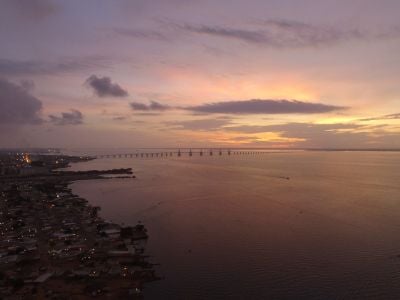
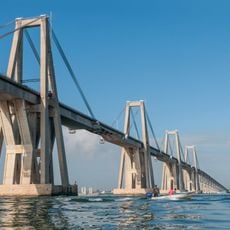
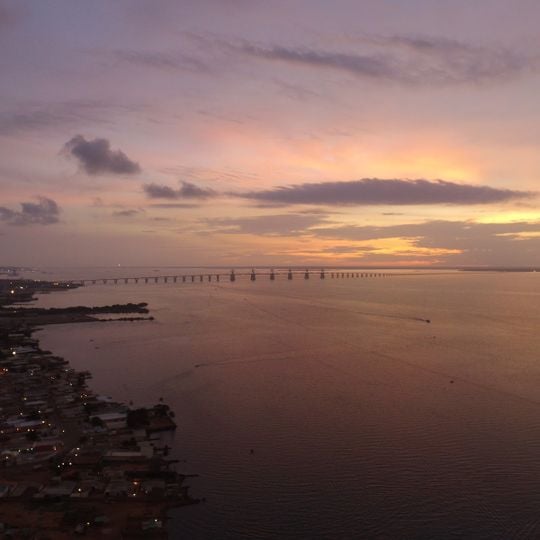
The General Rafael Urdaneta Bridge connects both shores and is easily reached by car or bus. Boats run regularly from ports along the coast and allow views of the open water and surrounding facilities.
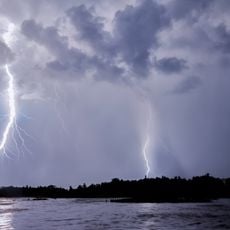
Thunderstorms frequently appear over the southern part at night, producing lightning in extraordinary numbers. These electrical discharges glow so regularly during certain months that sailors once used them for navigation.
The community of curious travelers
AroundUs brings together thousands of curated places, local tips, and hidden gems, enriched daily by 60,000 contributors worldwide.