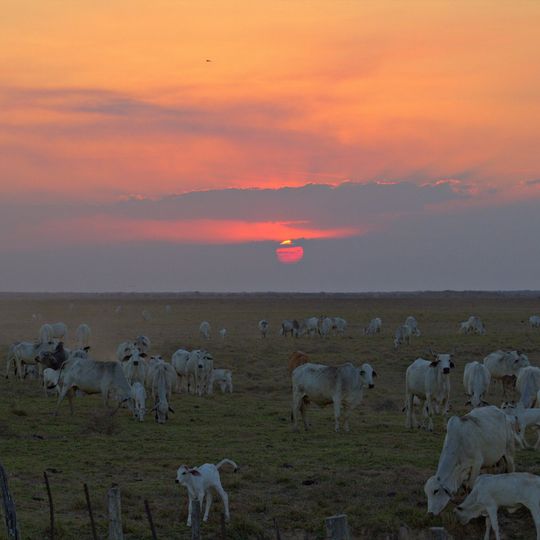
Hato El Cedral, Cattle ranch and wildlife reserve in Mantecal, Venezuela
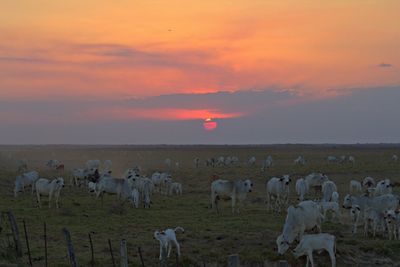
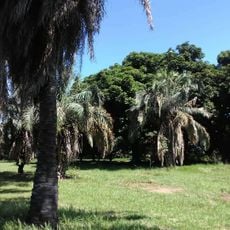
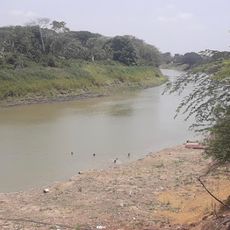
Hato El Cedral covers about 53,000 hectares of flat plains in Muñoz Municipality, Apure, near Mantecal. Three rivers cross it — the Caicara, Orichuna and Matiyure — with streams and flood-prone ground where white cattle graze on low grass. The ranch keeps tourist camps, visitor facilities and lookout points for watching wildlife.
The area was settled by Spaniards who founded San Miguel de Mantecal de Caicara between 1785 and 1788. In 1816 it belonged to Captain Pablo Ponte, who joined José Antonio Páez's patriot troops. Cattle ranching began in the 19th century, and Rómulo Gallegos is thought to have drawn on the estate, then called Hato La Trinidad de Arauca, for Doña Bárbara (1929). It opened to the public in November 1987 after purchase by the Confederación Venezolana de Ganaderos, and the Venezuelan state bought it in 2008.
The name comes from the cedral trees that shade visitors at the site. The ranch has been used for cattle since the 19th century, and today it combines livestock with ecotourism: boat rides, caiman feeding and night walks with guides to look for anteaters and foxes. It is believed that Rómulo Gallegos drew partly on this hacienda, then called Hato La Trinidad de Arauca, for his 1929 novel Doña Bárbara.
Guests stay in air-conditioned rooms with private bathrooms during their visit. Wildlife observation excursions depart twice daily to explore the property and encounter animals in their habitats.
The 2004 wildlife survey at Hato El Cedral recorded 89 mammal, 347 bird, 62 reptile and 22 amphibian species. The ranch covers about 53,000 hectares of flat llanos between the Caicara, Orichuna and Matiyure rivers, with flooded areas in the wet season. Boat trips and guided night walks are used to look for anacondas, capybaras and giant anteaters.
The community of curious travelers
AroundUs brings together thousands of curated places, local tips, and hidden gems, enriched daily by 94,511 contributors worldwide.