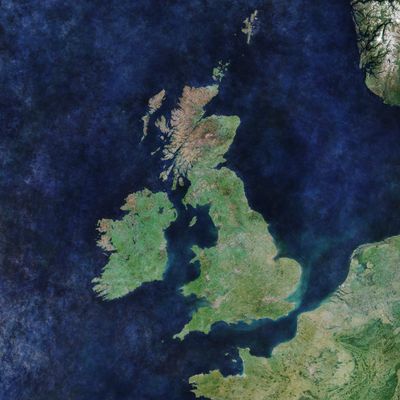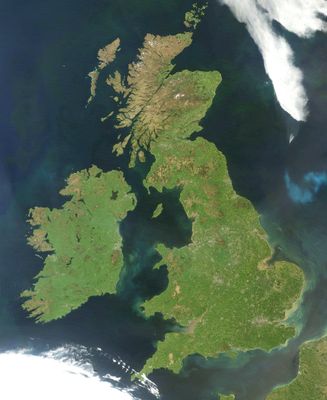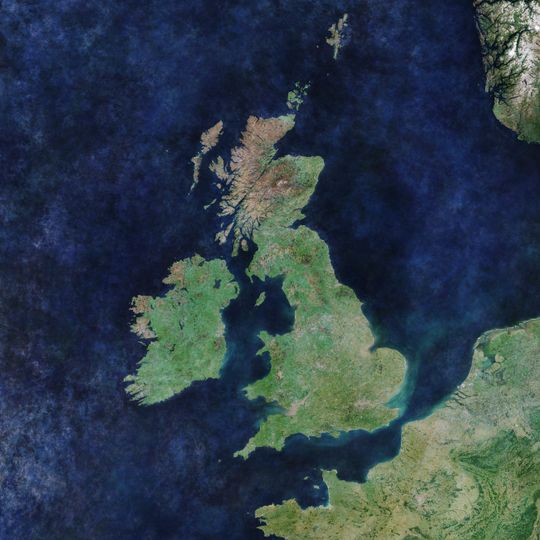
British Isles, Archipelago in northwestern Europe.
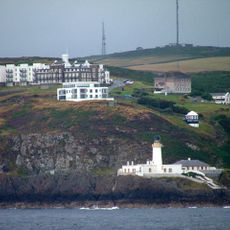
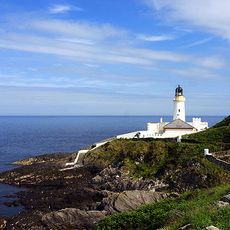
The British Isles form an island group in the northwest Atlantic and include two main islands, Great Britain and Ireland, along with over six thousand smaller islands scattered along the coasts. The landscape ranges from rocky shorelines and moorland plateaus to rolling hills and broad river valleys further inland.
The archipelago separated from mainland Europe after the last ice age, when melting glaciers raised sea levels. This geographic shift shaped the political and cultural development of the region over thousands of years.
Across different parts of the archipelago, you can hear Welsh, Scottish Gaelic, Irish Gaelic, and Cornish spoken alongside English in everyday life. These languages appear on road signs, in schools, and during public events, where locals maintain and pass down their own traditions.
The North Atlantic Current keeps temperatures mild and makes the weather changeable, with frequent rain and wind throughout the year. Coastal areas remain mostly frost-free, while the interior becomes colder in winter and sees occasional snow.
The archipelago holds the largest concentration of offshore wind farms in Europe, built along the coasts in shallow waters. These installations now shape the view from many beaches and harbor towns, especially along the east and north coasts.
The community of curious travelers
AroundUs brings together thousands of curated places, local tips, and hidden gems, enriched daily by 92,729 contributors worldwide.