Lihou, Tidal island in Saint Peter's, Guernsey
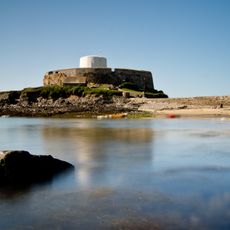
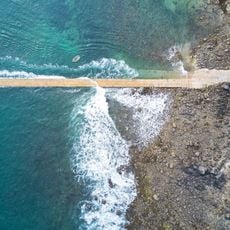
Lihou is a tidal island west of Guernsey, linked at low tide by a 400 m stone causeway to the L'Erée headland. The island covers 20 hectares and rises to a 20 m high ridge running north–south. Its surface is mostly weathered rock over granite and gneiss bedrock, with shingle beaches along the shore.
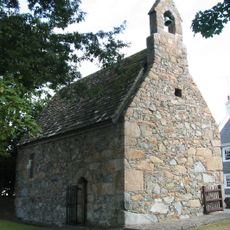
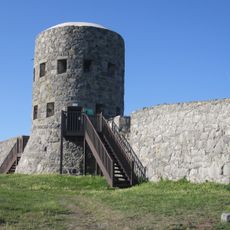
Lihou's priory, dedicated to St Mary (Our Lady of Lihou), was an arrière-fief of the Benedictine abbey of Mont St Michel, to which Robert I, Duke of Normandy, granted the island in the early 11th century. Estimates for its foundation range from 1114 to 1156. King Henry V seized it in 1414 with other alien priories; its ruins remain.
The name Lihou combines the Norman suffix -hou, meaning a small hill or mound, with an element possibly from Breton lydd or ligg, "in or near water"; the form Lishou is recorded in 1155. Island and headland were traditionally linked to witches and fairies, which brought the priory into conflict with church authorities.
Access depends on tidal schedules, so check a tide calendar before planning a visit as the causeway is only passable at low tide. The crossing takes about 20 minutes and calls for sturdy footwear, with attention to water levels that shift throughout the day.
The two islets beside Lihou, Lissroy and Lihoumel, are closed to visitors at certain times of year so that Eurasian oystercatchers and common ringed plovers can breed. The Guernsey Environment Department also restricts access to the shingle bank for the same reason.
The community of curious travelers
AroundUs brings together thousands of curated places, local tips, and hidden gems, enriched daily by 92,790 contributors worldwide.