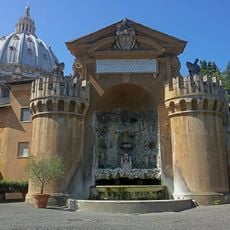
Geography of the Vatican City, Sovereign enclave in Rome, Italy
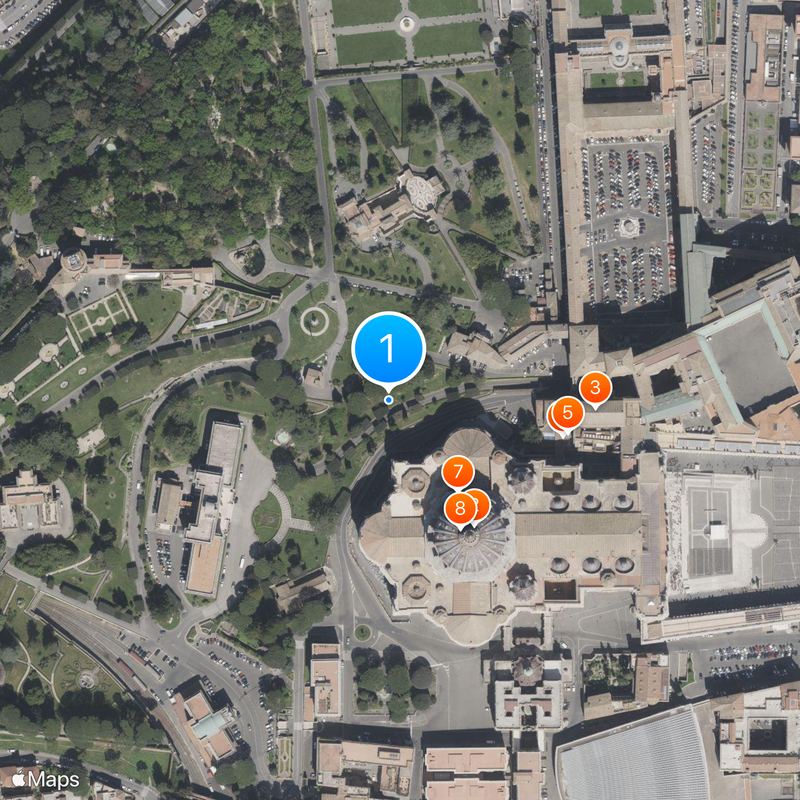
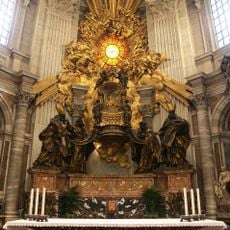
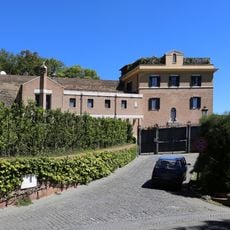
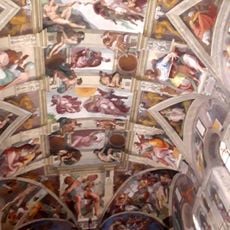
The geography of Vatican City describes an independent state on Vatican Hill in Rome, spanning about 49 hectares. Its borders measure roughly 3.5 kilometers and enclose a mix of historical structures, religious sites, and green spaces within central Rome.
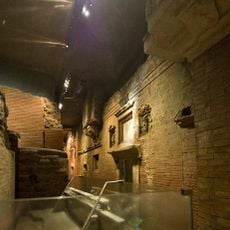
The territory has roots in ancient Roman times when the area was called Ager Vaticanus and held the Circus of Nero. This historical site later became the center of the Christian Church and formed the foundation for today's independent nation.
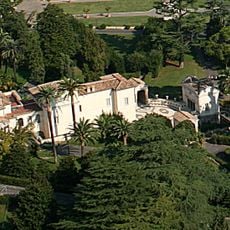
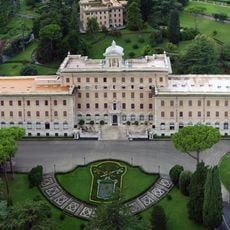
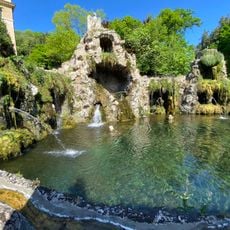
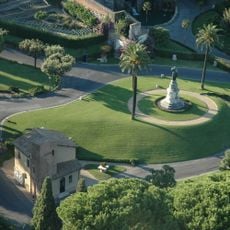
The Vatican Gardens shape the land with their geometric pathways and ornate fountains, creating a peaceful environment within the city. Visitors experience a blend of religious symbolism and cultivated nature that defines daily life in this small territory.
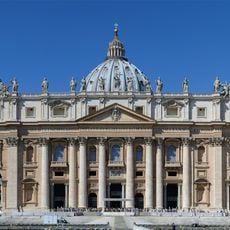
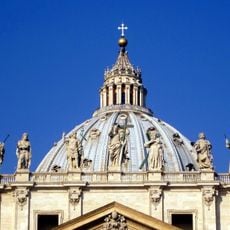
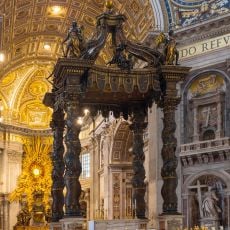
Visitors can enter through three main points: Saint Peter's Square, the gate beside Saint Peter's Basilica, or the museum entrance. Plan adequate time since some areas require guided access and spaces can feel crowded during peak hours.
A little-known project sought to make this city-state carbon-neutral through forest planting in Hungary. This initiative shows how even the smallest nations pursue environmental responsibility.
The community of curious travelers
AroundUs brings together thousands of curated places, local tips, and hidden gems, enriched daily by 92,569 contributors worldwide.