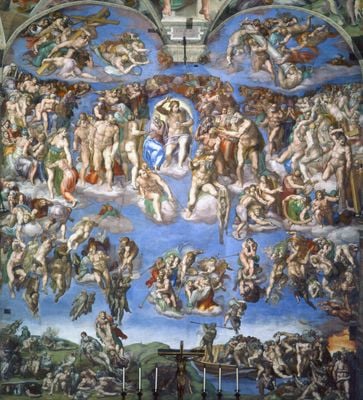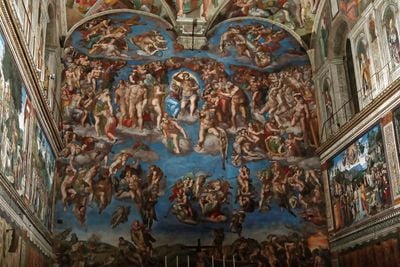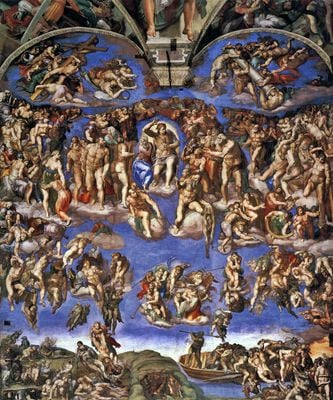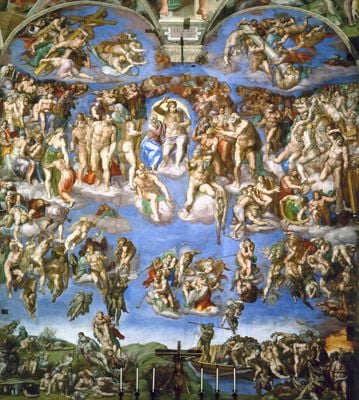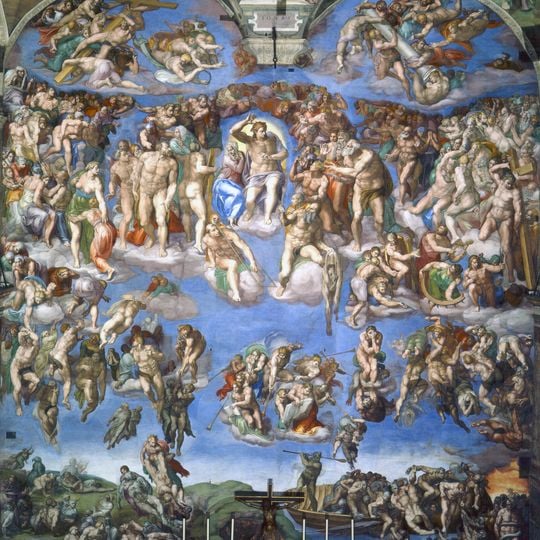
The Last Judgment, Renaissance fresco in Sistine Chapel, Vatican City
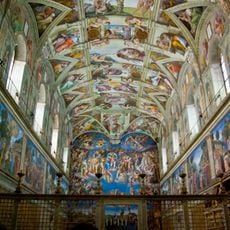
The Last Judgment is a fresco covering the entire altar wall of the Sistine Chapel, measuring approximately 46 by 40 feet (14 by 12 meters). The composition features nearly 400 human figures in various sizes, some naked and others partially clothed, arranged across multiple levels of the wall surface.
Pope Paul III commissioned Michelangelo to create this work in 1535, when the artist was already in his sixties. The fresco was unveiled on October 31, 1541, replacing two earlier paintings that had previously occupied the altar wall.
Visitors often spend long moments standing in front of the wall, trying to identify the hundreds of figures Michelangelo painted in different poses and states. The composition shows Christ at the center surrounded by saints and the condemned, reflecting the Catholic vision of the end of the world as it is taught in sermons and liturgy.
The restoration between 1980 and 1999 removed dark layers of dirt and glue, revealing the original bright colors. Visitors should first focus on the central figure and then take time to examine the upper and lower sections separately for a clearer view.
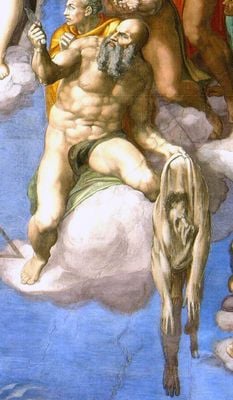
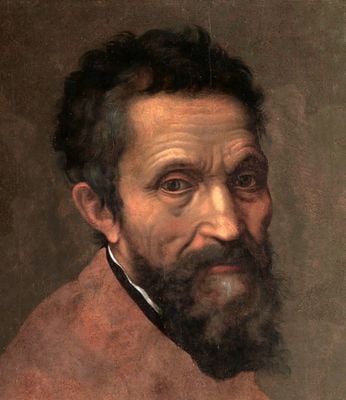
Michelangelo painted himself into the scene as the flayed skin held by Saint Bartholomew, one of the martyrs. The face on the skin is believed to be the artist's own, interpreted as an expression of his inner conflict during the work.
The community of curious travelers
AroundUs brings together thousands of curated places, local tips, and hidden gems, enriched daily by 60,000 contributors worldwide.