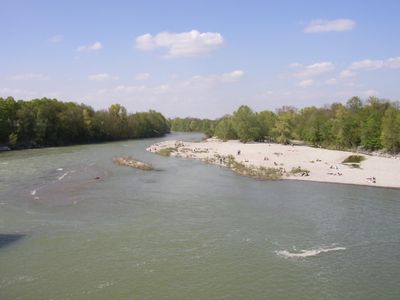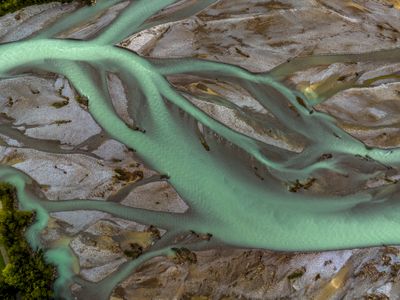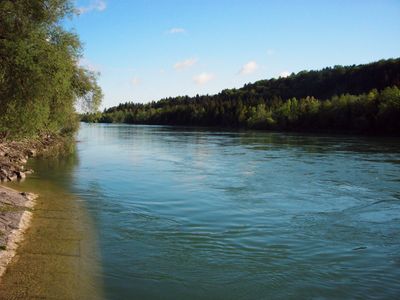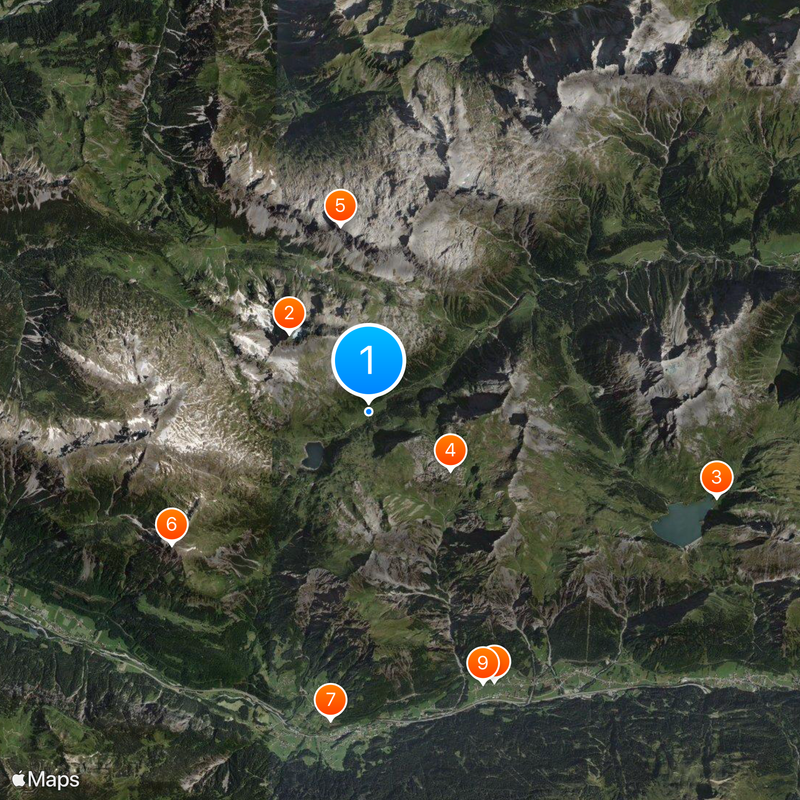
Lech, Alpine river in Bavaria, Germany.
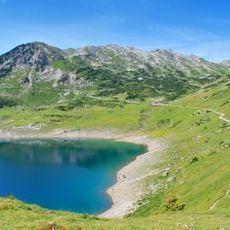
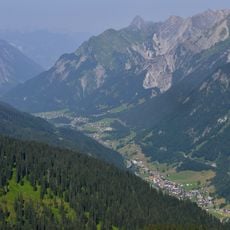
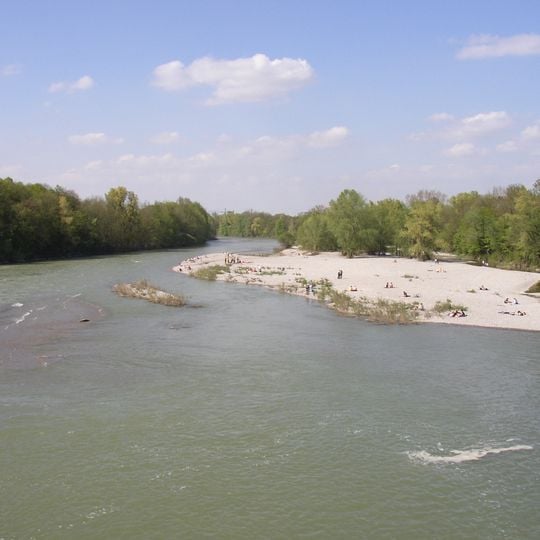
Lech is an Alpine river that runs for 255 kilometers from the Austrian Alps through Bavaria until it joins the Danube at Donauwörth. The turquoise water flows through wide gravel beds and narrow gorges, passing meadows and settlements in the Alpine foothills.
In the year 955, Otto I defeated Hungarian forces at the Battle of Lechfeld, marking a turning point in medieval Central European power struggles. For centuries, the water served the timber rafting trade and powered mills before being harnessed for electricity generation in the 20th century.
The watercourse passes through several Bavarian cities like Augsburg and Landsberg, where traditional markets and celebrations unfold along the banks throughout the year. Local residents gather on the riverside paths for walking and cycling, while the gravel islands in the riverbed attract birdwatchers from the region.
The river course can be followed on foot or by bicycle along numerous riverside paths, with the sections between Füssen and Landsberg particularly suited for longer outings. In summer, the gravel banks invite you to linger, while the current remains strong in certain stretches and requires caution.
During winter, the Forggensee reservoir near Füssen is completely drained, revealing old bridges and road foundations from the time before dam construction. This annual cycle makes lost structures visible again and transforms the lakebed into a walkable landscape.
The community of curious travelers
AroundUs brings together thousands of curated places, local tips, and hidden gems, enriched daily by 92,722 contributors worldwide.