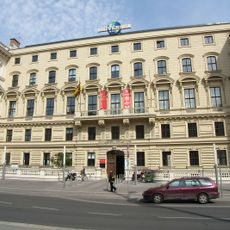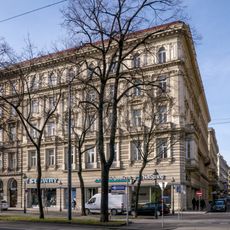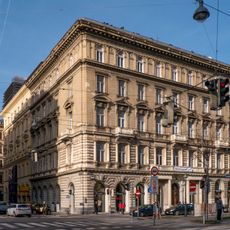
Palais Gutmann, building in Vienna, Austria
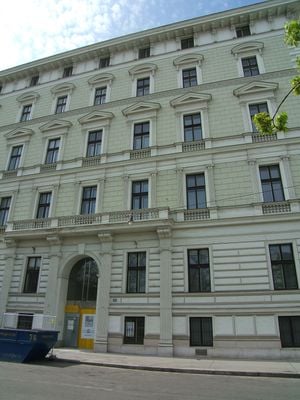
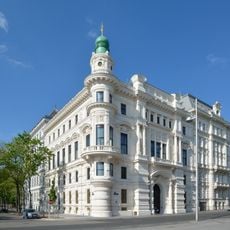
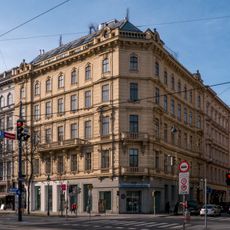
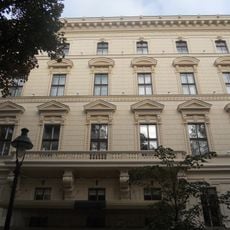
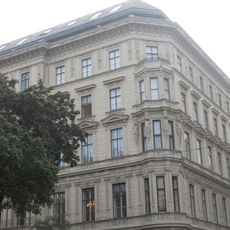
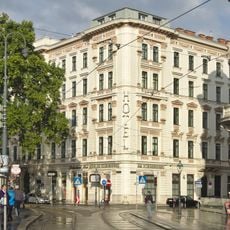
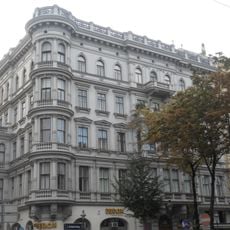
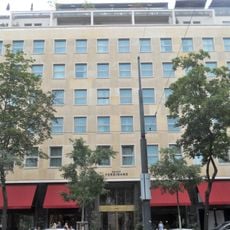
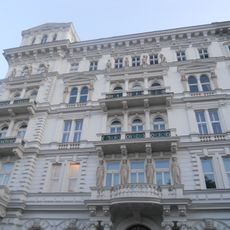
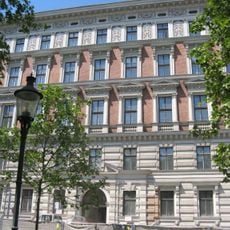
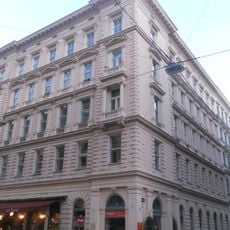
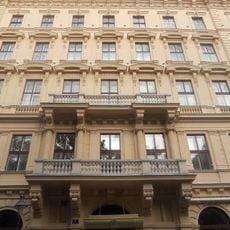
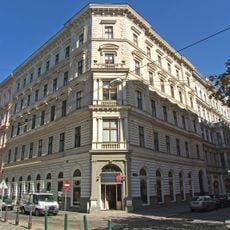
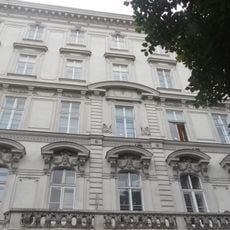
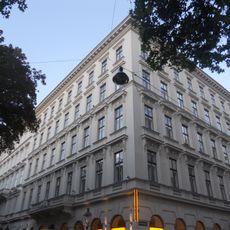
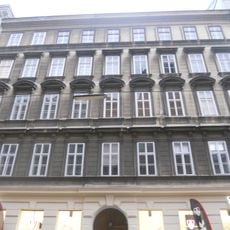
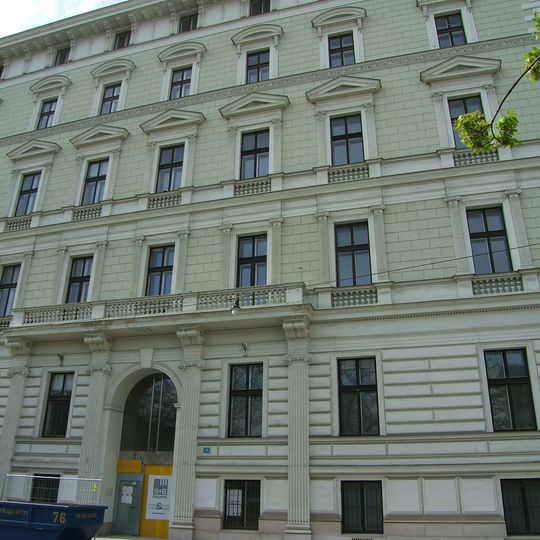
Palais Gutmann is a five-story building erected in 1870 in Vienna's historic center, located near Beethovenplatz, designed in the Historicism style. The facade features rusticated stonework on the lower level, decorative windows with triangular pediments on the second floor, and cornices that divide each story visually.
The Gutmann family commissioned the palace in 1870 designed by architect Carl Tietz to reflect their wealth from coal trading. After expropriation in 1938, the building was used by the Nazi party during World War Two until later restoration and placement under monument protection.
The name Gutmann refers to the Jewish family that built and lived in this palace through coal trading success. The ordered facade with its decorated windows and balanced proportions reflects how wealthy residents used architecture to display their status in the city.
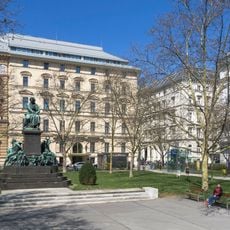
The palace stands on Beethovenplatz in Vienna's center and is easily accessible on foot, with shops and cafes nearby. The interior is not usually open to the public, but the facade can be viewed and photographed from the street.
Inside the palace is a remarkable ceiling painting by August Eisenmenger depicting the twelve months of the year. This artistic work demonstrates how painting and architecture were closely connected in nineteenth-century Vienna.
The community of curious travelers
AroundUs brings together thousands of curated places, local tips, and hidden gems, enriched daily by 91,183 contributors worldwide.